

Tips and insights for parents and kids Consejos e ideas para padres e hijos 부모와 아이를 위한 팁과 인사이트
First Day of School: Songs and Activities to Ease Back-to-School Anxiety Primer Día de Clases: Canciones y Actividades para Aliviar la Ansiedad Escolar 개학 첫날 불안 극복: 등교 불안을 달래주는 노래와 활동
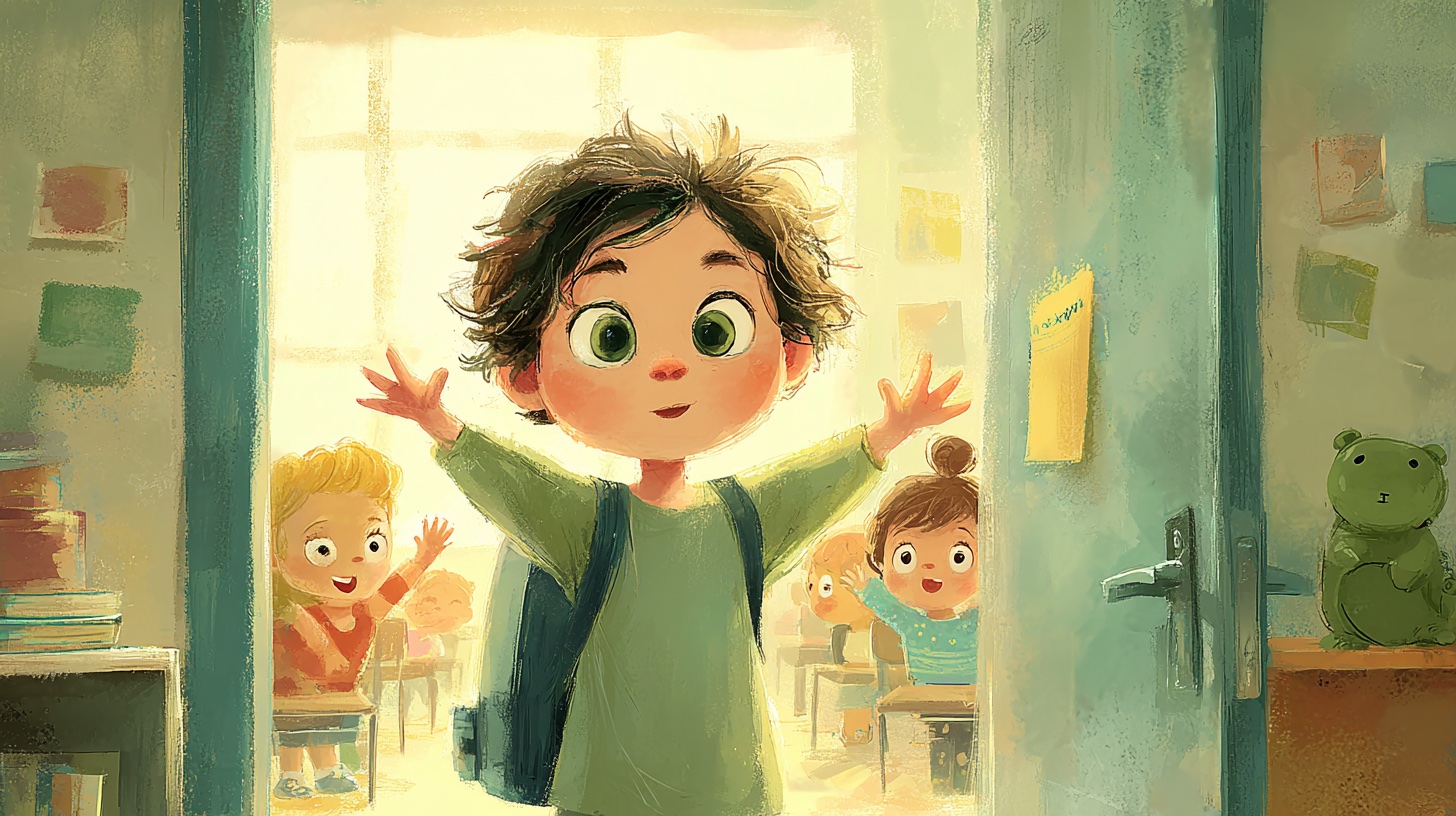
Back-to-school anxiety affects up to 25% of school-age children (APA, 2023), with symptoms ranging from stomachaches and sleep disruption to crying and school refusal. Research from the University of Vermont (2022) shows that music reduces cortisol levels by up to 25% in children, making it one of the most effective non-pharmaceutical anxiety interventions. This guide presents 5 research-backed songs for school preparation, a detailed 2-week pre-school timeline with daily activities, and a first-week survival guide for parents—all designed to transform back-to-school anxiety into confident excitement. Important: school start dates vary by region—US/Mexico in August-September, South Korea in March and September. La ansiedad por el regreso a clases afecta hasta al 25% de los niños en edad escolar (APA, 2023), con síntomas que van desde dolores de estómago hasta llanto y rechazo escolar. La investigación de la Universidad de Vermont (2022) muestra que la música reduce el cortisol hasta un 25% en los niños. Esta guía presenta 5 canciones respaldadas por la ciencia, un plan detallado de 2 semanas y una guía de supervivencia de la primera semana—todo diseñado para transformar la ansiedad en emoción y confianza. Importante: las fechas varían por región—EE.UU./México en agosto-septiembre, Corea del Sur en marzo y septiembre. 개학 불안은 학령기 아동의 최대 25%에 영향을 미치며(APA, 2023), 복통과 수면 장애부터 울음과 등교 거부까지 다양한 증상을 보입니다. 버몬트 대학교(2022) 연구에 따르면 음악은 아이들의 코르티솔 수치를 최대 25% 낮추어 가장 효과적인 비약물적 불안 중재 중 하나입니다. 이 가이드는 과학적으로 검증된 개학 준비 노래 5곡, 상세한 2주 전 준비 타임라인, 첫 주 부모 생존 가이드를 제시합니다. 참고: 개학 시기는 지역마다 다릅니다—미국/멕시코는 8-9월, 한국은 3월과 9월.
Back-to-School Anxiety: A Normal Part of Growing Up
If your child is dreading the first day of school, you're not alone. According to the American Psychological Association (APA, 2023), up to 25% of school-age children experience significant anxiety about starting or returning to school. For children entering kindergarten or transitioning to a new school, the numbers are even higher—up to 40% show anxiety symptoms.
Common signs of back-to-school anxiety include:
- Physical symptoms: Stomachaches, headaches, nausea, or loss of appetite (reported in 60% of anxious children)
- Sleep disruption: Difficulty falling asleep, nightmares, or wanting to sleep with parents
- Behavioral changes: Clinginess, crying, tantrums, or withdrawal
- Verbal expressions: "I don't want to go," "What if no one likes me?", "I'll miss you too much"
- Regression: Bed-wetting, thumb-sucking, or baby talk in older children
Research by Mychailyszyn et al. (2010) published in the Journal of Clinical Child & Adolescent Psychology found that school transition anxiety peaks between ages 4-7, corresponding with kindergarten entry and early elementary transitions. The good news: with proper preparation, most children adapt within 2-3 weeks (Ladd & Price, 1987).
Understanding that this anxiety is a normal developmental response—not a sign that something is wrong with your child—is the first step toward helping them overcome it.
How Music Reduces Anxiety: The Science
Music is one of the most powerful, research-backed tools for managing anxiety in children. Here's what the science tells us:
- Cortisol reduction: A University of Vermont (2022) study found that music listening reduces cortisol (the stress hormone) by up to 25% in children ages 3-8
- Autonomic nervous system: Research by Chanda & Levitin (2013) in Trends in Cognitive Sciences showed that music activates the parasympathetic nervous system, promoting calm and reducing the fight-or-flight response
- Emotional regulation: A meta-analysis by Geipel et al. (2018) found that music-based interventions improved emotional regulation in children by 38% compared to control groups
- Social bonding: Singing together releases oxytocin (the bonding hormone), which reduces anxiety and builds feelings of safety (Keeler et al., 2015)
- Predictability and comfort: Familiar songs create a sense of routine and predictability, which psychologists identify as key anxiety reducers for young children (Chorpita & Barlow, 1998)
For a deeper dive into how music develops your child's brain, including its effects on emotional regulation, see our comprehensive science guide.
5 Research-Backed Songs for School Preparation
These songs are specifically chosen for their ability to address common back-to-school fears while building confidence and excitement. Use them as part of your daily routine starting 2 weeks before school begins.
Song 1: "Good Morning" Routine Songs
Purpose: Establishes a predictable morning routine that reduces anxiety about "what happens next"
When to use: Every morning, 2 weeks before school starts
Morning routine songs help children internalize the sequence of activities—wake up, brush teeth, get dressed, eat breakfast, pack bag—reducing the uncertainty that fuels anxiety. Research by Mindell et al. (2015) found that children with consistent routines set to music showed 32% less morning stress than those without.
- Choose a simple, upbeat song that covers the morning steps
- Sing it together each morning at the same time
- Let your child add their own verses about their specific routine
Song 2: "Brave and Strong" Confidence Songs
Purpose: Builds self-efficacy and courage for facing new situations
When to use: During transitions and before new experiences
Songs with empowering lyrics about being brave and strong help children develop a "can-do" internal narrative. According to Bandura's self-efficacy theory (1997), children who hear and repeat positive affirmations are significantly more likely to attempt challenging tasks with confidence.
- Songs with lyrics like "I am brave, I am strong, I can do this all day long"
- Create a personal "bravery song" with your child's name in it
- Practice singing it on the way to school—it becomes a portable comfort tool
Song 3: "Making Friends" Social Songs
Purpose: Addresses the #1 fear: "What if nobody likes me?"
When to use: During playdates and social preparation activities
Social anxiety is the most common component of back-to-school worry (APA, 2023). Songs about making friends, sharing, and playing together provide a social script that children can draw upon. Research by Kirschner & Tomasello (2010) found that children who made music together were 4 times more likely to help each other in subsequent tasks compared to non-musical activities.
- Focus on songs about greeting others: "Hello, hello, what's your name?"
- Practice friend-making phrases through song lyrics
- Role-play school scenarios while singing together
Song 4: "Goodbye and Hello" Separation Songs
Purpose: Directly addresses separation anxiety—the core of school fear
When to use: During drop-off practice and actual school drop-offs
Separation anxiety peaks during school transitions. Songs that acknowledge the sadness of saying goodbye while promising a happy reunion help children develop a "goodbye ritual"—which child psychologists identify as one of the most effective interventions for separation anxiety (Howe, 2010).
- Create a special family goodbye song (just 4-8 lines)
- Include the promise: "I'll be here when you come back"
- Practice the song at short separations first (playdates, grandparent visits)
- The ritual of singing creates a bridge of connection across the school day
Song 5: "School Is Fun" Preview Songs
Purpose: Reframes school as an exciting adventure rather than a scary unknown
When to use: During the week before school and the first school week
Cognitive reframing—the psychological technique of changing how we think about a situation—is highly effective for children (Kendall & Hedtke, 2006). Songs that describe school activities in a positive, fun way help children build a mental model of school as enjoyable.
- Songs describing school activities: art, recess, lunch, story time
- Visit the school while singing about what happens in each area
- Let your child's teacher know the song—they may use it in class too
2-Week Pre-School Preparation Timeline
This detailed, day-by-day timeline combines educational play activities, music, and practical preparation to gradually build your child's readiness and confidence.
Week 2 Before School (Days 14-8)
| Day | Activity | Purpose | Time |
|---|---|---|---|
| Day 14 | Visit the school building together | Familiarization reduces fear of the unknown | 30 min |
| Day 13 | Read books about starting school + sing "School Is Fun" song | Positive mental framing | 20 min |
| Day 12 | School supply shopping—let child choose their backpack/lunchbox | Sense of ownership and excitement | 45 min |
| Day 11 | Draw a picture of "My School" + practice "Making Friends" song | Creative expression of feelings | 25 min |
| Day 10 | Start morning routine practice with "Good Morning" song | Routine establishment | 30 min |
| Day 9 | Playdate with a future classmate (if possible) | Social familiarity | 1 hour |
| Day 8 | Practice packing backpack + getting dressed independently | Self-sufficiency confidence | 20 min |
Week 1 Before School (Days 7-1)
| Day | Activity | Purpose | Time |
|---|---|---|---|
| Day 7 | Practice the school-day schedule from wake-up to pick-up | Full routine rehearsal | All day |
| Day 6 | Create a "bravery bracelet" + learn "Brave and Strong" song | Tangible comfort object + confidence | 30 min |
| Day 5 | Short separation practice (drop off at grandparent/friend for 2 hours) | Gradual separation building | 2 hours |
| Day 4 | Make a family photo card for the backpack + "Goodbye and Hello" song | Transitional object + goodbye ritual | 25 min |
| Day 3 | Lay out first-day outfit + review all 5 songs | Visual preparation + musical comfort | 20 min |
| Day 2 | Prepare a special first-day lunch together | Positive anticipation building | 30 min |
| Day 1 | Early bedtime with calming lullabies + positive talk about tomorrow | Rest + emotional preparation | 30 min |
First Week of School: Parent's Survival Guide
The first week sets the tone for the entire school year. Here's how to navigate it with confidence:
Drop-Off Strategy
- Keep it brief: Long goodbyes increase anxiety. Aim for a 3-minute maximum drop-off
- Use your goodbye song: Sing your family goodbye song, give a hug, and go
- Be confident: Children mirror parent emotions—if you seem worried, they'll worry more
- Never sneak away: Always say goodbye. Sneaking out destroys trust and increases anxiety long-term (Howe, 2010)
- Pick-up enthusiasm: Greet your child with the "Hello" part of your goodbye song
After-School Connection
- Don't interrogate: Instead of "How was school?" ask specific, fun questions: "What was the funniest thing that happened today?"
- Snack + music time: Create a calming after-school routine with a snack and familiar songs
- Validate feelings: "It's okay to feel tired/overwhelmed. School is a lot of new things at once"
- Celebrate small wins: "You were so brave today! Let's sing your bravery song"
When to Seek Help
While most anxiety resolves within 2-3 weeks, consult a pediatrician or child psychologist if:
- Anxiety symptoms persist beyond 4-6 weeks
- Physical symptoms (stomachaches, vomiting) are severe or daily
- Your child completely refuses to attend school
- Sleep disruption lasts more than 2 weeks
- Anxiety significantly impacts daily functioning at home
Regional School Calendar Guide
Use this guide to time your 2-week preparation correctly:
| Region | School Start | Begin Prep | Key Notes |
|---|---|---|---|
| United States | August - September | Mid-July | Varies by state; check your school district |
| Mexico | Late August | Early August | SEP calendar; uniform preparation important |
| South Korea | March (1st semester) September (2nd semester) | Mid-February / Mid-August | March entry is biggest transition; 2nd semester is shorter adjustment |
KidsFunLab Resources for Back-to-School
KidsFunLab provides tools to make the school transition smoother and more enjoyable:
- Educational songs: Music albums with songs perfect for morning routines, confidence building, and emotional regulation
- Interactive games: Games that build focus and concentration skills needed for classroom success
- Summer-to-school bridge: Continue summer learning activities through the first week of school to maintain routine
- Screen-free confidence: Music and games that build real skills without ads or distractions
- Multilingual support: Available in English, Spanish, and Korean—perfect for bilingual families navigating school systems
Remember: every child adjusts at their own pace. With patience, music, and consistent routines, your child will soon be running into school with a smile.
Ansiedad por el Regreso a Clases: Una Parte Normal del Crecimiento
Si tu hijo teme el primer día de clases, no estás solo. Según la Asociación Americana de Psicología (APA, 2023), hasta el 25% de los niños en edad escolar experimentan ansiedad significativa por comenzar o regresar a la escuela. Para los niños que entran al preescolar o cambian de escuela, las cifras son aún más altas: hasta el 40% muestra síntomas de ansiedad.
Señales comunes de ansiedad por el regreso a clases:
- Síntomas físicos: Dolores de estómago, dolores de cabeza, náuseas o pérdida de apetito (reportados en el 60% de los niños ansiosos)
- Alteración del sueño: Dificultad para dormir, pesadillas o querer dormir con los padres
- Cambios de comportamiento: Apego excesivo, llanto, berrinches o aislamiento
- Expresiones verbales: "No quiero ir," "¿Qué pasa si nadie me quiere?", "Te voy a extrañar mucho"
- Regresión: Mojar la cama, chuparse el dedo o hablar como bebé en niños mayores
La investigación de Mychailyszyn et al. (2010) publicada en el Journal of Clinical Child & Adolescent Psychology encontró que la ansiedad por transición escolar alcanza su punto máximo entre los 4-7 años. La buena noticia: con la preparación adecuada, la mayoría de los niños se adaptan en 2-3 semanas (Ladd & Price, 1987).
Comprender que esta ansiedad es una respuesta normal del desarrollo—no una señal de que algo esté mal con tu hijo—es el primer paso para ayudarlo a superarla.
Cómo la Música Reduce la Ansiedad: La Ciencia
La música es una de las herramientas más poderosas y respaldadas por la ciencia para manejar la ansiedad infantil:
- Reducción de cortisol: Un estudio de la Universidad de Vermont (2022) encontró que escuchar música reduce el cortisol (la hormona del estrés) hasta un 25% en niños de 3-8 años
- Sistema nervioso autónomo: La investigación de Chanda & Levitin (2013) mostró que la música activa el sistema nervioso parasimpático, promoviendo la calma
- Regulación emocional: Un meta-análisis de Geipel et al. (2018) encontró que las intervenciones musicales mejoraron la regulación emocional en niños en un 38%
- Vínculo social: Cantar juntos libera oxitocina, que reduce la ansiedad y crea sentimientos de seguridad (Keeler et al., 2015)
- Previsibilidad: Las canciones familiares crean una sensación de rutina y previsibilidad, identificados como reductores clave de ansiedad infantil (Chorpita & Barlow, 1998)
Para una exploración más profunda de cómo la música desarrolla el cerebro de tu hijo, consulta nuestra guía científica completa.
5 Canciones Respaldadas por la Ciencia para la Preparación Escolar
Estas canciones fueron seleccionadas específicamente por su capacidad para abordar los miedos comunes del regreso a clases. Úsalas como parte de tu rutina diaria comenzando 2 semanas antes del inicio de clases.
Canción 1: Canciones de Rutina "Buenos Días"
Propósito: Establece una rutina matutina predecible que reduce la ansiedad
Cuándo usarla: Cada mañana, 2 semanas antes del inicio de clases
Las canciones de rutina matutina ayudan a los niños a internalizar la secuencia de actividades. La investigación de Mindell et al. (2015) encontró que los niños con rutinas consistentes acompañadas de música mostraron un 32% menos estrés matutino.
- Elegir una canción alegre que cubra los pasos de la mañana
- Cantarla juntos cada mañana a la misma hora
- Dejar que tu hijo agregue sus propios versos sobre su rutina específica
Canción 2: Canciones de Confianza "Valiente y Fuerte"
Propósito: Construye autoeficacia y valentía para enfrentar situaciones nuevas
Cuándo usarla: Durante transiciones y antes de experiencias nuevas
Las canciones con letras empoderadoras ayudan a los niños a desarrollar una narrativa interna positiva. Según la teoría de autoeficacia de Bandura (1997), los niños que escuchan y repiten afirmaciones positivas tienen más probabilidad de enfrentar desafíos con confianza.
- Canciones con letras como "Soy valiente, soy fuerte, puedo con todo"
- Crear una "canción de valentía" personal con el nombre de tu hijo
- Practicarla camino a la escuela como herramienta portátil de consuelo
Canción 3: Canciones Sociales "Haciendo Amigos"
Propósito: Aborda el miedo #1: "¿Qué pasa si nadie me quiere?"
Cuándo usarla: Durante citas de juego y actividades de preparación social
La ansiedad social es el componente más común de la preocupación escolar (APA, 2023). La investigación de Kirschner & Tomasello (2010) encontró que los niños que hacían música juntos tenían 4 veces más probabilidad de ayudarse mutuamente.
- Enfocarse en canciones sobre saludar a otros: "Hola, hola, ¿cómo te llamas?"
- Practicar frases para hacer amigos a través de letras de canciones
- Representar escenarios escolares cantando juntos
Canción 4: Canciones de Separación "Adiós y Hola"
Propósito: Aborda directamente la ansiedad por separación
Cuándo usarla: Durante práctica de despedida y despedidas reales en la escuela
Las canciones que reconocen la tristeza de decir adiós mientras prometen un reencuentro feliz ayudan a los niños a desarrollar un "ritual de despedida"—una de las intervenciones más efectivas para la ansiedad por separación (Howe, 2010).
- Crear una canción familiar especial de despedida (solo 4-8 líneas)
- Incluir la promesa: "Estaré aquí cuando regreses"
- Practicar la canción en separaciones cortas primero
- El ritual de cantar crea un puente de conexión durante el día escolar
Canción 5: Canciones Previas "La Escuela Es Divertida"
Propósito: Reformula la escuela como una aventura emocionante
Cuándo usarla: Durante la semana antes de clases y la primera semana
La reestructuración cognitiva—la técnica de cambiar cómo pensamos sobre una situación—es altamente efectiva para niños (Kendall & Hedtke, 2006). Las canciones que describen actividades escolares de manera positiva ayudan a construir un modelo mental positivo de la escuela.
- Canciones describiendo actividades escolares: arte, recreo, almuerzo, hora de cuentos
- Visitar la escuela cantando sobre lo que pasa en cada área
- Informar al maestro sobre la canción—puede usarla en clase también
Cronograma de Preparación de 2 Semanas
Este cronograma detallado combina actividades de juego educativo, música y preparación práctica para construir gradualmente la confianza de tu hijo.
Semana 2 Antes de Clases (Días 14-8)
| Día | Actividad | Propósito | Tiempo |
|---|---|---|---|
| Día 14 | Visitar la escuela juntos | La familiarización reduce el miedo a lo desconocido | 30 min |
| Día 13 | Leer libros sobre el inicio de clases + cantar "La Escuela Es Divertida" | Encuadre mental positivo | 20 min |
| Día 12 | Comprar útiles escolares—dejar que el niño elija su mochila | Sentido de propiedad y emoción | 45 min |
| Día 11 | Dibujar "Mi Escuela" + practicar canción "Haciendo Amigos" | Expresión creativa de sentimientos | 25 min |
| Día 10 | Comenzar rutina matutina con canción "Buenos Días" | Establecimiento de rutina | 30 min |
| Día 9 | Cita de juego con un futuro compañero (si es posible) | Familiaridad social | 1 hora |
| Día 8 | Practicar empacar la mochila + vestirse independientemente | Confianza en la autosuficiencia | 20 min |
Semana 1 Antes de Clases (Días 7-1)
| Día | Actividad | Propósito | Tiempo |
|---|---|---|---|
| Día 7 | Practicar el horario completo del día escolar | Ensayo completo de rutina | Todo el día |
| Día 6 | Crear una "pulsera de valentía" + aprender canción "Valiente y Fuerte" | Objeto de consuelo tangible + confianza | 30 min |
| Día 5 | Práctica de separación corta (dejar con abuelos/amigos por 2 horas) | Construcción gradual de separación | 2 horas |
| Día 4 | Hacer tarjeta de foto familiar para la mochila + canción "Adiós y Hola" | Objeto transicional + ritual de despedida | 25 min |
| Día 3 | Preparar el atuendo del primer día + repasar las 5 canciones | Preparación visual + consuelo musical | 20 min |
| Día 2 | Preparar juntos un almuerzo especial del primer día | Construir anticipación positiva | 30 min |
| Día 1 | Hora de dormir temprano con canciones de cuna relajantes + conversación positiva | Descanso + preparación emocional | 30 min |
Primera Semana de Clases: Guía de Supervivencia para Padres
La primera semana establece el tono para todo el año escolar:
Estrategia de Despedida
- Sé breve: Las despedidas largas aumentan la ansiedad. Máximo 3 minutos
- Usa tu canción de despedida: Canta la canción familiar, da un abrazo y ve
- Muestra confianza: Los niños reflejan las emociones de los padres
- Nunca te escapes: Siempre di adiós. Escaparse destruye la confianza (Howe, 2010)
- Entusiasmo al recoger: Saluda a tu hijo con la parte "Hola" de tu canción
Conexión Después de Clases
- No interrogues: En vez de "¿Cómo te fue?" pregunta: "¿Cuál fue la cosa más divertida de hoy?"
- Merienda + música: Crea una rutina relajante después de la escuela con merienda y canciones familiares
- Valida los sentimientos: "Está bien sentirse cansado. La escuela tiene muchas cosas nuevas"
- Celebra los pequeños logros: "¡Fuiste tan valiente hoy! Cantemos tu canción de valentía"
Cuándo Buscar Ayuda
Aunque la mayoría de la ansiedad se resuelve en 2-3 semanas, consulta al pediatra si:
- Los síntomas persisten más de 4-6 semanas
- Los síntomas físicos son severos o diarios
- Tu hijo se rehúsa completamente a ir a la escuela
- La alteración del sueño dura más de 2 semanas
- La ansiedad impacta significativamente el funcionamiento diario
Guía de Calendario Escolar por Región
| Región | Inicio de Clases | Comenzar Preparación | Notas |
|---|---|---|---|
| Estados Unidos | Agosto - Septiembre | Mediados de julio | Varía por estado; verificar con el distrito escolar |
| México | Finales de agosto | Principios de agosto | Calendario SEP; preparación de uniforme importante |
| Corea del Sur | Marzo (1er semestre) Septiembre (2do semestre) | Mediados de febrero / Mediados de agosto | La entrada de marzo es la transición más grande |
Recursos de KidsFunLab para el Regreso a Clases
KidsFunLab ofrece herramientas para hacer la transición escolar más suave:
- Canciones educativas: Álbumes musicales perfectos para rutinas matutinas y construcción de confianza
- Juegos interactivos: Juegos que desarrollan habilidades de enfoque y concentración necesarias para el éxito en el aula
- Puente verano-escuela: Continúa las actividades de aprendizaje de verano durante la primera semana de clases
- Confianza sin pantallas: Música y juegos que desarrollan habilidades reales sin anuncios
- Soporte multilingüe: Disponible en inglés, español y coreano—perfecto para familias bilingües
Recuerda: cada niño se adapta a su propio ritmo. Con paciencia, música y rutinas consistentes, tu hijo pronto estará corriendo hacia la escuela con una sonrisa.
개학 불안: 성장의 정상적인 과정
아이가 개학 첫날을 두려워한다면, 당신만 그런 것이 아닙니다. 미국심리학회(APA, 2023)에 따르면 학령기 아동의 최대 25%가 상당한 개학 불안을 경험합니다. 유치원에 처음 입학하거나 새 학교로 전학하는 아이들의 경우 최대 40%가 불안 증상을 보입니다.
개학 불안의 일반적인 징후:
- 신체적 증상: 복통, 두통, 메스꺼움, 식욕 감소 (불안한 아이의 60%에서 보고됨)
- 수면 장애: 잠들기 어려움, 악몽, 부모와 함께 자려는 행동
- 행동 변화: 집착, 울음, 짜증, 또는 위축
- 언어적 표현: "학교 가기 싫어," "아무도 나를 좋아하지 않으면 어쩌지?", "엄마 너무 보고 싶을 거야"
- 퇴행: 야뇨, 손가락 빨기, 또는 큰 아이의 아기 말투
Mychailyszyn et al.(2010)이 Journal of Clinical Child & Adolescent Psychology에 발표한 연구에 따르면 학교 전환 불안은 4-7세에 최고조에 달합니다. 좋은 소식: 적절한 준비를 통해 대부분의 아이들은 2-3주 내에 적응합니다(Ladd & Price, 1987).
이 불안이 정상적인 발달 반응이라는 것—아이에게 무언가 문제가 있다는 신호가 아니라는 것—을 이해하는 것이 아이를 돕는 첫 번째 단계입니다.
음악이 불안을 줄이는 과학적 원리
음악은 아이들의 불안을 관리하는 데 가장 강력하고 과학적으로 입증된 도구 중 하나입니다:
- 코르티솔 감소: 버몬트 대학교(2022) 연구에 따르면 음악 감상은 3-8세 아이들의 스트레스 호르몬(코르티솔)을 최대 25% 감소시킵니다
- 자율신경계: Chanda & Levitin(2013)의 연구에 따르면 음악은 부교감신경계를 활성화하여 평온을 촉진하고 투쟁-도피 반응을 줄입니다
- 정서 조절: Geipel et al.(2018)의 메타분석에 따르면 음악 기반 중재는 아이들의 정서 조절 능력을 대조군 대비 38% 향상시켰습니다
- 사회적 유대: 함께 노래하면 불안을 줄이고 안전감을 구축하는 옥시토신(유대 호르몬)이 분비됩니다(Keeler et al., 2015)
- 예측 가능성과 편안함: 친숙한 노래는 루틴과 예측 가능성의 감각을 만들어 어린 아이의 핵심 불안 감소 요인이 됩니다(Chorpita & Barlow, 1998)
음악이 아이의 뇌를 발달시키는 방법에 대한 심층 가이드에서 정서 조절에 대한 효과를 자세히 알아보세요.
과학적으로 검증된 개학 준비 노래 5곡
이 노래들은 일반적인 개학 두려움을 해결하면서 자신감과 기대감을 키우는 능력으로 특별히 선정되었습니다. 개학 2주 전부터 일상 루틴의 일부로 사용하세요.
노래 1: "좋은 아침" 루틴 노래
목적: "다음에 무엇이 일어나는지"에 대한 불안을 줄이는 예측 가능한 아침 루틴 확립
사용 시기: 매일 아침, 개학 2주 전부터
아침 루틴 노래는 아이들이 활동 순서—일어나기, 양치, 옷 입기, 아침 식사, 가방 챙기기—를 내면화하도록 도와 불안을 유발하는 불확실성을 줄입니다. Mindell et al.(2015)의 연구에 따르면 음악과 함께하는 일관된 루틴을 가진 아이들은 아침 스트레스가 32% 적었습니다.
- 아침 단계를 다루는 간단하고 밝은 노래 선택하기
- 매일 같은 시간에 함께 부르기
- 아이가 자신의 구체적인 루틴에 대한 가사를 추가하게 하기
노래 2: "용감하고 강해" 자신감 노래
목적: 새로운 상황에 맞서는 자기효능감과 용기 구축
사용 시기: 전환 시기와 새로운 경험 전
용감하고 강하다는 가사의 노래는 아이들이 "할 수 있다"는 내적 서사를 개발하도록 돕습니다. Bandura의 자기효능감 이론(1997)에 따르면, 긍정적 확언을 듣고 반복하는 아이들은 도전적인 과제를 자신감 있게 시도할 가능성이 유의미하게 높습니다.
- "나는 용감해, 나는 강해, 하루 종일 할 수 있어" 같은 가사의 노래
- 아이 이름이 들어간 개인 "용기 노래" 만들기
- 학교 가는 길에 부르기 연습—휴대용 위안 도구가 됩니다
노래 3: "친구 만들기" 사회적 노래
목적: #1 두려움 해소: "아무도 나를 좋아하지 않으면?"
사용 시기: 놀이 약속과 사회적 준비 활동 시
사회적 불안은 개학 걱정의 가장 흔한 구성 요소입니다(APA, 2023). Kirschner & Tomasello(2010)의 연구에 따르면 함께 음악을 만든 아이들은 비음악 활동에 비해 서로 도울 가능성이 4배 더 높았습니다.
- 다른 사람에게 인사하는 노래에 집중: "안녕, 안녕, 이름이 뭐야?"
- 노래 가사를 통해 친구 사귀는 말 연습하기
- 함께 노래하면서 학교 상황을 역할극하기
노래 4: "안녕 그리고 또 만나" 이별 노래
목적: 학교 두려움의 핵심인 분리 불안 직접 해소
사용 시기: 하차 연습과 실제 학교 하차 시
헤어짐의 슬픔을 인정하면서 행복한 재회를 약속하는 노래는 아이들이 "작별 의식"을 개발하도록 돕습니다—이는 아동심리학자들이 분리 불안에 가장 효과적인 중재 중 하나로 꼽는 것입니다(Howe, 2010).
- 특별한 가족 작별 노래 만들기 (4-8줄만)
- "돌아오면 여기 있을게"라는 약속 포함하기
- 짧은 이별(놀이 약속, 조부모 방문) 때 먼저 연습하기
- 노래 부르는 의식이 하루 동안의 연결의 다리를 만듭니다
노래 5: "학교는 즐거워" 미리보기 노래
목적: 학교를 무서운 미지의 곳이 아닌 신나는 모험으로 재구성
사용 시기: 개학 전 주와 개학 첫 주
인지적 재구성—상황에 대한 생각을 바꾸는 심리학적 기법—은 아이들에게 매우 효과적입니다(Kendall & Hedtke, 2006). 학교 활동을 긍정적이고 재미있게 묘사하는 노래는 학교가 즐거운 곳이라는 정신적 모델을 구축합니다.
- 학교 활동을 묘사하는 노래: 미술, 쉬는 시간, 점심, 동화 시간
- 각 장소에서 무엇이 일어나는지 노래하며 학교 방문하기
- 담임 선생님에게 노래를 알려주기—수업에서도 사용할 수 있습니다
개학 전 2주 준비 타임라인
이 상세한 일별 타임라인은 교육적 놀이 활동, 음악, 실질적 준비를 결합하여 점진적으로 아이의 준비도와 자신감을 키웁니다.
개학 2주 전 (14-8일차)
| 날짜 | 활동 | 목적 | 시간 |
|---|---|---|---|
| 14일 전 | 함께 학교 건물 방문하기 | 친숙해지면 미지에 대한 두려움이 줄어듦 | 30분 |
| 13일 전 | 학교 시작에 관한 책 읽기 + "학교는 즐거워" 노래 부르기 | 긍정적 정신 프레이밍 | 20분 |
| 12일 전 | 학용품 쇼핑—아이가 가방/도시락통 선택하게 하기 | 주인 의식과 기대감 | 45분 |
| 11일 전 | "나의 학교" 그림 그리기 + "친구 만들기" 노래 연습 | 감정의 창의적 표현 | 25분 |
| 10일 전 | "좋은 아침" 노래와 함께 아침 루틴 연습 시작 | 루틴 확립 | 30분 |
| 9일 전 | 미래 반 친구와 놀이 약속 (가능한 경우) | 사회적 친숙함 | 1시간 |
| 8일 전 | 혼자 가방 챙기기 + 옷 입기 연습 | 자립심 자신감 | 20분 |
개학 1주 전 (7-1일차)
| 날짜 | 활동 | 목적 | 시간 |
|---|---|---|---|
| 7일 전 | 기상부터 하교까지 하루 일과 연습하기 | 전체 루틴 리허설 | 하루 종일 |
| 6일 전 | "용기 팔찌" 만들기 + "용감하고 강해" 노래 배우기 | 실체적 위안 물건 + 자신감 | 30분 |
| 5일 전 | 짧은 분리 연습 (조부모/친구 집에 2시간 맡기기) | 점진적 분리 구축 | 2시간 |
| 4일 전 | 가방에 넣을 가족 사진 카드 만들기 + "안녕 그리고 또 만나" 노래 | 전환 대상물 + 작별 의식 | 25분 |
| 3일 전 | 첫날 옷 준비하기 + 5곡 모두 복습 | 시각적 준비 + 음악적 위안 | 20분 |
| 2일 전 | 함께 특별한 첫날 도시락 준비하기 | 긍정적 기대감 구축 | 30분 |
| 1일 전 | 잠자리 자장가와 함께 일찍 취침 + 내일에 대한 긍정적 대화 | 휴식 + 정서적 준비 | 30분 |
개학 첫 주: 부모 생존 가이드
첫 주가 한 해 전체의 분위기를 결정합니다. 자신감 있게 헤쳐나가는 방법입니다:
등교 하차 전략
- 짧게 하세요: 긴 작별은 불안을 증가시킵니다. 최대 3분 하차를 목표로
- 작별 노래 사용: 가족 작별 노래를 부르고, 안아주고, 가세요
- 자신감을 보이세요: 아이는 부모의 감정을 반영합니다—당신이 걱정하면 아이도 더 걱정합니다
- 절대 몰래 사라지지 마세요: 항상 인사하세요. 몰래 떠나면 신뢰가 깨지고 장기적으로 불안이 증가합니다(Howe, 2010)
- 하교 때 열정적으로: 작별 노래의 "안녕" 부분으로 아이를 맞이하세요
방과 후 연결
- 심문하지 마세요: "학교 어땠어?" 대신 "오늘 가장 재미있었던 게 뭐야?"처럼 구체적이고 재미있는 질문을 하세요
- 간식 + 음악 시간: 간식과 친숙한 노래로 편안한 방과 후 루틴 만들기
- 감정 인정: "피곤하고 힘든 건 괜찮아. 학교는 새로운 것이 많으니까"
- 작은 성공 축하: "오늘 정말 용감했어! 용기 노래 부르자"
도움을 구해야 할 때
대부분의 불안은 2-3주 내에 해소되지만, 다음의 경우 소아과 의사나 아동 심리 전문가와 상담하세요:
- 불안 증상이 4-6주 이상 지속될 때
- 신체적 증상(복통, 구토)이 심각하거나 매일 나타날 때
- 아이가 완전히 등교를 거부할 때
- 수면 장애가 2주 이상 지속될 때
- 불안이 가정 내 일상생활에 심각한 영향을 줄 때
지역별 개학 시기 가이드
2주 준비를 정확한 시점에 시작하기 위한 가이드입니다:
| 지역 | 개학 시기 | 준비 시작 | 참고 |
|---|---|---|---|
| 미국 | 8월 - 9월 | 7월 중순 | 주마다 다름; 학교 구역에 확인 |
| 멕시코 | 8월 말 | 8월 초 | SEP 캘린더; 교복 준비 중요 |
| 한국 | 3월 (1학기) 9월 (2학기) | 2월 중순 / 8월 중순 | 3월 입학이 가장 큰 전환; 2학기는 짧은 적응 기간 |
KidsFunLab의 개학 준비 자료
KidsFunLab은 학교 전환을 더 순조롭고 즐겁게 만드는 도구를 제공합니다:
- 교육 노래: 아침 루틴, 자신감 구축, 정서 조절에 완벽한 음악 앨범
- 인터랙티브 게임: 교실 성공에 필요한 집중력과 주의력 기술을 키우는 게임
- 여름-학교 연결 다리: 개학 첫 주까지 여름 학습 활동을 계속하여 루틴 유지
- 스크린 없는 자신감: 광고나 방해 없이 실제 기술을 키우는 음악과 게임
- 다국어 지원: 영어, 스페인어, 한국어로 제공—학교 시스템을 탐색하는 이중언어 가정에 완벽
기억하세요: 모든 아이는 자기만의 속도로 적응합니다. 인내심, 음악, 일관된 루틴으로 아이는 곧 미소를 지으며 학교로 뛰어갈 것입니다.

Comments Comentarios 댓글
No comments yet. Be the first! Aún no hay comentarios. ¡Sé el primero! 아직 댓글이 없습니다. 첫 번째로 작성해보세요!
Leave a comment Deja un comentario 댓글 남기기