

Tips and insights for parents and kids Consejos e ideas para padres e hijos 부모와 아이를 위한 팁과 인사이트
15 Best Nursery Rhymes for Toddlers: Songs That Teach and Delight Las 15 Mejores Canciones Infantiles para Niños Pequeños: Canciones que Enseñan y Divierten 유아를 위한 최고의 동요 15곡: 가르치고 즐겁게 하는 노래들
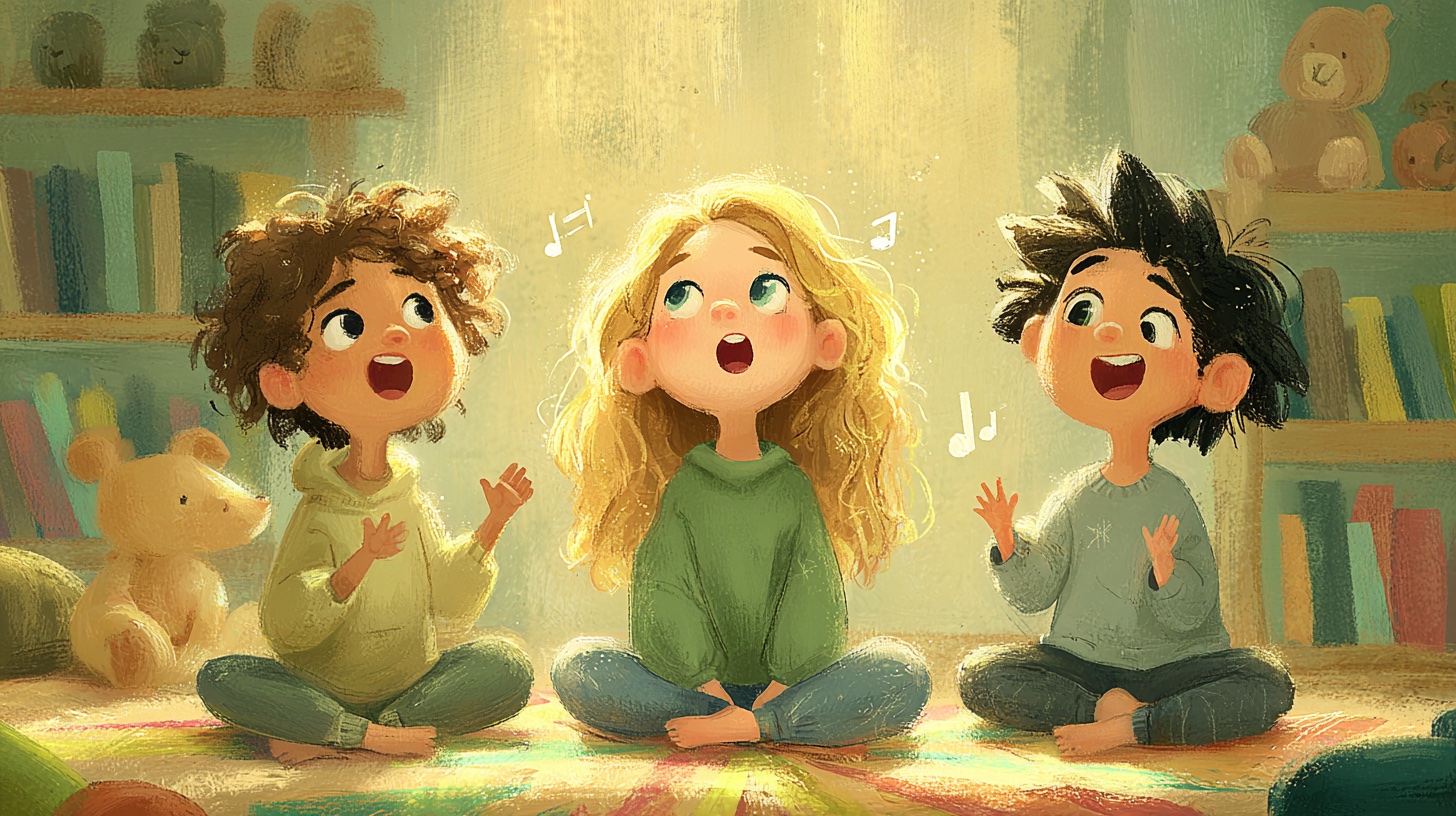
We selected 15 nursery rhymes across three developmental categories—language (5), math (5), and movement (5)—each with research-backed educational value and practical parent tips. These songs are free, require no special equipment, and can be woven into any daily routine. Seleccionamos 15 canciones infantiles en tres categorías de desarrollo—lenguaje (5), matemáticas (5) y movimiento (5)—cada una con valor educativo respaldado por investigaciones y consejos prácticos para padres. 언어(5곡), 수학(5곡), 신체 발달(5곡) 세 가지 발달 영역별로 엄선한 동요 15곡을 소개합니다. 각 곡에는 연구 기반 교육적 가치와 부모 활용 팁이 포함되어 있습니다.
Nursery rhymes have been passed down for centuries—and for good reason. Research shows they are among the most effective tools for early childhood development. A meta-analysis published in Educational Psychology Review found that musical activities produce consistent positive effects on children's cognitive abilities, with the strongest gains in language-related skills (Sala & Gobet, 2020). But with thousands of children's songs out there, which ones truly deliver the most educational value?
We reviewed developmental research, consulted early childhood music education frameworks, and selected 15 nursery rhymes organized across three key developmental domains: language, math, and movement. Each song includes the specific skills it builds and practical tips for parents to maximize learning.
Why Nursery Rhymes Matter for Toddler Development
Before we dive into the list, it's worth understanding why nursery rhymes are uniquely powerful learning tools for toddlers aged 1 to 4.
Nursery rhymes combine rhythm, rhyme, repetition, and melody—four elements that research identifies as critical for brain development. According to a landmark study by Anvari et al. (2002), a child's ability to perceive musical patterns at age 4 predicts reading readiness at age 5, even after controlling for general cognitive ability. The rhyming structure of these songs trains phonological awareness—the ability to hear and manipulate individual sounds in words—which is the single strongest predictor of later reading success.
Moreover, the repetitive structure of nursery rhymes provides what psychologists call "scaffolded learning": predictable patterns that let toddlers anticipate what comes next, building confidence and memory. A study by Dunst et al. (2011) found that children exposed to nursery rhymes from an early age showed significantly stronger phonological sensitivity than those without such exposure.
How We Selected These 15 Songs
Our selection criteria combined three factors:
- Research-backed educational value: Each song targets specific developmental skills supported by peer-reviewed studies.
- Age appropriateness: All songs are suitable for children ages 1–4, with simple melodies and repetitive structures toddlers can follow.
- Practical accessibility: Every song is free, requires no instruments or special equipment, and can be sung anywhere—bath time, car rides, bedtime.
For a deeper look at how music shapes your child's brain, see our comprehensive guide: Music and Your Child's Brain: What Science Tells Us.
Language Development Songs (5 Rhymes)
These songs build vocabulary, phonological awareness, and early literacy skills. Research by Moreno et al. (2011) in Cerebral Cortex showed that just 20 days of musical training improved verbal intelligence scores in 4- to 6-year-olds.
1. Twinkle, Twinkle, Little Star
Skills: Vowel elongation, syllable segmentation, descriptive vocabulary
This classic melody slows down language and stretches vowel sounds, giving toddlers extra time to process phonemes. The question-and-answer structure ("How I wonder what you are") models conversational turn-taking.
Parent tip: Point to the sky as you sing. Pairing gestures with lyrics strengthens word-to-meaning connections by up to 50% (Macedonia & Knösche, 2011).
2. The ABC Song
Skills: Letter recognition, sequential memory, phonemic awareness
Sung to the same melody as "Twinkle, Twinkle," the ABC Song helps children memorize the alphabet in order. Studies show that children who can sing the alphabet by age 3 are more likely to recognize letters by age 4 (Adams, 1990).
Parent tip: Slow down between letter groups (A-B-C-D, pause, E-F-G). This prevents the common "LMNOP blur" and helps toddlers hear each letter distinctly.
3. Old MacDonald Had a Farm
Skills: Animal vocabulary, sound discrimination, narrative structure
Each verse introduces a new animal and its sound, building receptive and expressive vocabulary. The "E-I-E-I-O" refrain provides a predictable anchor that lets toddlers focus cognitive resources on the new information.
Parent tip: Let your child choose the next animal. This builds decision-making skills and personal agency while keeping engagement high.
4. Itsy Bitsy Spider
Skills: Narrative sequencing, cause-and-effect, prepositions (up, down, out)
This song tells a complete story with a beginning, middle, and end—introducing toddlers to narrative structure. The finger movements that accompany it also develop fine motor coordination.
Parent tip: After singing, ask "What happened first? What happened next?" to build story comprehension and sequencing skills.
5. Baa, Baa, Black Sheep
Skills: Rhyming, vowel patterns, social concepts (sharing)
The strong rhyming pattern (wool/full, lane/dame) trains the ear to detect phonological patterns—a skill directly linked to reading readiness. Harper (2011) found that children who can generate rhymes by age 3 are significantly more likely to become fluent readers.
Parent tip: Substitute different words that rhyme ("Baa, baa, blue sheep, have you any glue?"). Playing with rhymes builds phonological flexibility, a key pre-reading skill.
Math and Number Songs (5 Rhymes)
These songs introduce counting, number sequences, and early mathematical concepts. Rauscher et al. (1997) found that musical activities improved spatial-temporal reasoning by 34% in preschoolers—a skill fundamental to mathematics.
6. Five Little Ducks
Skills: Subtraction, counting backward, one-to-one correspondence
Each verse removes one duck, naturally introducing the concept of subtraction through narrative. Children follow along with fingers, practicing counting down from five.
Parent tip: Use five toy ducks or finger puppets. Manipulatives make abstract number concepts concrete, which is especially important for toddlers (Moyer, 2001).
7. Ten in the Bed
Skills: Counting backward from 10, subtraction by 1, spatial awareness
The repetitive "roll over" structure reinforces sequential counting and one-less-than concepts. Children learn that when one falls out, the total decreases by exactly one.
Parent tip: Line up stuffed animals and remove one each verse. This physical representation builds number sense and object permanence.
8. One, Two, Buckle My Shoe
Skills: Counting by twos, number-word association, rhyming pairs
This rhyme pairs numbers with actions and objects (3-4/shut the door, 5-6/pick up sticks), creating dual coding—when information is encoded both verbally and visually, recall improves by up to 40% (Paivio, 1986).
Parent tip: Act out each pair physically. Buckle a real shoe, close a real door. Embodied learning strengthens memory formation.
9. Five Little Monkeys
Skills: Subtraction, safety concepts, consequence understanding
Beyond counting down, this song introduces cause and effect ("fell off the bed" → "bumped his head" → "doctor said"). Children begin to understand that actions have consequences—an early critical thinking skill.
Parent tip: Jump and then freeze when "no more monkeys" comes. This builds impulse control and inhibitory function—skills linked to later academic success (Diamond, 2013).
10. This Old Man
Skills: Counting 1–10, rhyming, rhythm patterns
Each verse counts up by one while introducing rhyming pairs (one/thumb, two/shoe, three/knee), combining number learning with phonological training. The "knick-knack paddy-whack" refrain adds rhythmic complexity.
Parent tip: Touch each body part as it's mentioned (thumb, shoe, knee). Multi-sensory engagement activates more neural pathways than singing alone.
Movement and Body Awareness Songs (5 Rhymes)
These songs develop gross motor skills, body awareness, and coordination. Pica (2009) demonstrated that music-based movement activities improve balance, coordination, and spatial awareness more effectively than non-musical movement activities.
11. Head, Shoulders, Knees and Toes
Skills: Body part identification, sequential memory, coordination
This song systematically teaches body part names while requiring rapid motor sequencing—touching the right body part in the right order at the right time. Speeding up the song progressively challenges working memory and motor planning.
Parent tip: Start slowly and gradually increase speed. Research shows that progressive tempo challenges build processing speed and cognitive flexibility (Zatorre et al., 2007).
12. If You're Happy and You Know It
Skills: Emotional vocabulary, impulse control, rhythm response
This song connects emotions to physical actions (clap hands, stomp feet, shout hooray), building emotional literacy. The "wait for it" structure—singing the phrase before doing the action—develops inhibitory control.
Parent tip: Add new emotions: "If you're sleepy and you know it, give a yawn." This expands emotional vocabulary beyond basic happy/sad.
13. The Wheels on the Bus
Skills: Imaginative play, action vocabulary, sound imitation
Each verse introduces different sounds and movements (wipers go swish, horn goes beep), developing onomatopoeia recognition and sound-symbol association. The repetitive structure allows toddlers to anticipate and participate.
Parent tip: Let your child suggest new things on the bus ("the cat on the bus goes meow, meow, meow"). Creative extension builds divergent thinking.
14. Ring Around the Rosie
Skills: Group coordination, balance, directional awareness
This group activity requires children to synchronize movement with peers—walking in a circle, then falling down together. Kirschner and Tomasello (2010) found that children who engage in joint musical activities show more cooperative behavior afterward.
Parent tip: Try different movements: tiptoe around, skip around, hop around. Varying locomotor patterns develops the full range of gross motor skills.
15. Hokey Pokey
Skills: Left-right discrimination, body part identification, following multi-step directions
The Hokey Pokey requires children to identify specific body parts, distinguish left from right, and perform a sequence of three actions (put in, take out, shake). This multi-step instruction following is a critical school-readiness skill.
Parent tip: Use scarves or ribbons on one hand to help toddlers distinguish left from right. Visual cues reduce cognitive load while the concept is being learned.
How to Get the Most Out of Nursery Rhymes: 5 Parent Tips
Research shows that how you use nursery rhymes matters as much as which ones you choose. Here are five evidence-based strategies:
- Sing daily, not just occasionally. Ludke et al. (2013) at the University of Edinburgh found that singing is more effective than speaking for language recall. Weave songs into routines: diaper changes, meals, car rides.
- Add gestures and movement. Macedonia and Knösche (2011) demonstrated that pairing words with gestures improves vocabulary retention by up to 50%. Every song should involve hands, body, or facial expressions.
- Go interactive, not passive. Passive listening has limited cognitive benefit. The real developmental gains come from active participation—singing along, clapping, dancing, choosing the next verse.
- Repeat favorites—it's not boring, it's building. Toddlers request the same songs because repetition strengthens neural pathways. Horst et al. (2011) found that children who heard stories repeatedly learned 50% more new words than those who heard varied stories.
- Follow your child's lead. If they gravitate toward a particular song, lean in. Intrinsic motivation amplifies learning. Let them pick, modify lyrics, or create silly versions.
Free Resources to Get Started
You don't need expensive classes or apps to give your child the benefits of nursery rhymes. Here are free ways to start today:
- Explore KidsFunLab's music library — Curated educational songs in English and Spanish
- Learning English Through Kids' Songs — How music accelerates language acquisition
- Best Educational Content for Ages 2–4 — Age-appropriate activities and recommendations
- Music and Your Child's Brain — The complete science behind music and cognitive development
Nursery rhymes have endured for centuries because they work. They package complex developmental lessons—phonological awareness, number sense, motor coordination, emotional regulation—into formats that toddlers find irresistible. The best part? They're free, require no equipment, and can happen anywhere. Start singing today, and you're giving your child a head start that research says will last a lifetime.
Las canciones infantiles se han transmitido durante siglos—y por buenas razones. Las investigaciones demuestran que están entre las herramientas más efectivas para el desarrollo de la primera infancia. Un metaanálisis publicado en Educational Psychology Review encontró que las actividades musicales producen efectos positivos consistentes en las capacidades cognitivas de los niños, con las mayores ganancias en habilidades relacionadas con el lenguaje (Sala & Gobet, 2020). Pero con miles de canciones infantiles disponibles, ¿cuáles realmente ofrecen el mayor valor educativo?
Revisamos investigaciones sobre desarrollo, consultamos marcos de educación musical para la primera infancia y seleccionamos 15 canciones infantiles organizadas en tres dominios clave del desarrollo: lenguaje, matemáticas y movimiento. Cada canción incluye las habilidades específicas que desarrolla y consejos prácticos para que los padres maximicen el aprendizaje.
Por qué las canciones infantiles son importantes para el desarrollo de los niños pequeños
Antes de sumergirnos en la lista, vale la pena entender por qué las canciones infantiles son herramientas de aprendizaje extraordinariamente poderosas para niños de 1 a 4 años.
Las canciones infantiles combinan ritmo, rima, repetición y melodía—cuatro elementos que la investigación identifica como fundamentales para el desarrollo cerebral. Según un estudio emblemático de Anvari et al. (2002), la capacidad de un niño para percibir patrones musicales a los 4 años predice la preparación para la lectura a los 5, incluso después de controlar la capacidad cognitiva general. La estructura rimada de estas canciones entrena la conciencia fonológica—la capacidad de escuchar y manipular los sonidos individuales de las palabras—que es el predictor más fuerte del éxito posterior en la lectura.
Además, la estructura repetitiva de las canciones infantiles proporciona lo que los psicólogos llaman "aprendizaje andamiado": patrones predecibles que permiten a los niños anticipar lo que viene, construyendo confianza y memoria. Un estudio de Dunst et al. (2011) encontró que los niños expuestos a canciones infantiles desde temprana edad mostraron una sensibilidad fonológica significativamente más fuerte que aquellos sin esa exposición.
Cómo seleccionamos estas 15 canciones
Nuestros criterios de selección combinaron tres factores:
- Valor educativo respaldado por investigación: Cada canción apunta a habilidades de desarrollo específicas respaldadas por estudios revisados por pares.
- Adecuación por edad: Todas las canciones son apropiadas para niños de 1 a 4 años, con melodías sencillas y estructuras repetitivas que los pequeños pueden seguir.
- Accesibilidad práctica: Cada canción es gratuita, no requiere instrumentos ni equipo especial, y se puede cantar en cualquier lugar—la hora del baño, en el carro, a la hora de dormir.
Para una mirada más profunda sobre cómo la música moldea el cerebro de tu hijo, consulta nuestra guía completa: La Música y el Cerebro de Tu Hijo: Lo que Dice la Ciencia.
Canciones para el desarrollo del lenguaje (5 canciones)
Estas canciones desarrollan vocabulario, conciencia fonológica y habilidades de alfabetización temprana. La investigación de Moreno et al. (2011) en Cerebral Cortex mostró que solo 20 días de entrenamiento musical mejoraron las puntuaciones de inteligencia verbal en niños de 4 a 6 años.
1. Estrellita, ¿Dónde Estás?
Habilidades: Elongación de vocales, segmentación silábica, vocabulario descriptivo
Esta melodía clásica desacelera el lenguaje y estira los sonidos vocálicos, dándole a los niños tiempo extra para procesar los fonemas. La estructura de pregunta-respuesta modela la toma de turnos conversacional. En toda Latinoamérica, esta canción ha sido una de las primeras que los niños aprenden, gracias a su melodía suave y letra sencilla.
Consejo para padres: Señala al cielo mientras cantas. Asociar gestos con las letras fortalece las conexiones entre palabras y significados hasta en un 50% (Macedonia & Knösche, 2011).
2. El Abecedario (La canción del ABC)
Habilidades: Reconocimiento de letras, memoria secuencial, conciencia fonémica
Cantada con la misma melodía que "Estrellita," la canción del abecedario ayuda a los niños a memorizar el alfabeto en orden. Los estudios muestran que los niños que pueden cantar el abecedario a los 3 años tienen más probabilidades de reconocer las letras a los 4 (Adams, 1990).
Consejo para padres: Haz pausas entre grupos de letras (A-B-C-D, pausa, E-F-G). Esto evita que las letras se mezclen y ayuda a los pequeños a escuchar cada letra de forma individual.
3. Los Pollitos Dicen
Habilidades: Vocabulario de animales, discriminación auditiva, estructura narrativa
Esta querida canción mexicana es mucho más que una melodía tierna. Cada verso presenta un escenario narrativo con la mamá gallina cuidando a sus pollitos, enseñando vocabulario emocional (hambre, frío, sueño) y conceptos de cuidado y protección. Es una de las primeras canciones que aprenden los niños en México y toda Latinoamérica.
Consejo para padres: Actúa las emociones de los pollitos: "tienen hambre" (toca la pancita), "tienen frío" (abraza al niño). Esto construye vocabulario emocional y empatía.
4. La Araña Pequeñita
Habilidades: Secuenciación narrativa, causa-efecto, preposiciones (arriba, abajo)
Esta canción cuenta una historia completa con inicio, desarrollo y final—introduciendo a los niños a la estructura narrativa. Los movimientos de dedos que la acompañan también desarrollan la coordinación motora fina.
Consejo para padres: Después de cantar, pregunta "¿Qué pasó primero? ¿Qué pasó después?" para desarrollar comprensión narrativa y habilidades de secuenciación.
5. De Colores
Habilidades: Vocabulario de colores, rima, apreciación cultural
Esta hermosa canción tradicional mexicana enseña los nombres de los colores a través de imágenes naturales—los campos, los pajaritos, el arcoíris. Su patrón rítmico fuerte entrena el oído para detectar patrones fonológicos. Harper (2011) encontró que los niños que pueden generar rimas a los 3 años tienen significativamente más probabilidades de convertirse en lectores fluidos.
Consejo para padres: Mientras cantas, señala objetos del color mencionado. Conectar palabras con objetos reales fortalece la comprensión y el vocabulario.
Canciones de números y matemáticas (5 canciones)
Estas canciones introducen el conteo, secuencias numéricas y conceptos matemáticos tempranos. Rauscher et al. (1997) encontraron que las actividades musicales mejoraron el razonamiento espaciotemporal en un 34% en preescolares—una habilidad fundamental para las matemáticas.
6. Los Cinco Patitos
Habilidades: Resta, conteo regresivo, correspondencia uno a uno
Cada verso elimina un patito, introduciendo naturalmente el concepto de resta a través de la narrativa. Los niños siguen con los dedos, practicando contar hacia atrás desde cinco.
Consejo para padres: Usa cinco patitos de juguete o títeres de dedo. Los materiales manipulativos hacen concretos los conceptos numéricos abstractos, lo cual es especialmente importante para los pequeños (Moyer, 2001).
7. Un Elefante Se Balanceaba
Habilidades: Conteo progresivo, suma de uno en uno, concepto de equilibrio
Esta canción popular mexicana cuenta hacia arriba—un elefante, dos elefantes, tres elefantes—introduciendo naturalmente el concepto de suma. La imagen absurda de elefantes balanceándose sobre una tela de araña captura la imaginación de los niños mientras aprenden secuencias numéricas.
Consejo para padres: Balancea al niño suavemente mientras cuentas. El movimiento rítmico refuerza la secuencia numérica al involucrar memoria motora.
8. Uno, Dos, Tres
Habilidades: Conteo de pares, asociación número-palabra, pares rimados
Las rimas numéricas en español asocian números con acciones y objetos, creando codificación dual—cuando la información se codifica tanto verbal como visualmente, el recuerdo mejora hasta en un 40% (Paivio, 1986).
Consejo para padres: Actúa físicamente cada par. El aprendizaje encarnado fortalece la formación de memoria.
9. Cinco Monitos
Habilidades: Resta, conceptos de seguridad, comprensión de consecuencias
Más allá del conteo regresivo, esta canción introduce causa y efecto ("se cayó de la cama" → "se pegó en la cabeza" → "el doctor dijo"). Los niños comienzan a entender que las acciones tienen consecuencias—una habilidad temprana de pensamiento crítico.
Consejo para padres: Salta y congélate cuando llega "no más monitos". Esto desarrolla control de impulsos y función inhibitoria—habilidades vinculadas al éxito académico posterior (Diamond, 2013).
10. Diez en la Cama
Habilidades: Conteo regresivo del 10, resta de uno, conciencia espacial
La estructura repetitiva de "rueda, rueda" refuerza el conteo secuencial y el concepto de uno-menos. Los niños aprenden que cuando uno se cae, el total disminuye en exactamente uno.
Consejo para padres: Alinea peluches y quita uno en cada verso. Esta representación física construye sentido numérico y permanencia del objeto.
Canciones de movimiento y conciencia corporal (5 canciones)
Estas canciones desarrollan habilidades motoras gruesas, conciencia corporal y coordinación. Pica (2009) demostró que las actividades de movimiento basadas en música mejoran el equilibrio, la coordinación y la conciencia espacial más efectivamente que las actividades de movimiento sin música.
11. Cabeza, Hombros, Rodillas y Pies
Habilidades: Identificación de partes del cuerpo, memoria secuencial, coordinación
Esta canción enseña sistemáticamente los nombres de las partes del cuerpo mientras requiere secuenciación motora rápida—tocar la parte correcta del cuerpo en el orden correcto al momento correcto. Acelerar la canción progresivamente desafía la memoria de trabajo y la planificación motora.
Consejo para padres: Comienza lento y aumenta gradualmente la velocidad. Las investigaciones muestran que los desafíos de tempo progresivo desarrollan la velocidad de procesamiento y la flexibilidad cognitiva (Zatorre et al., 2007).
12. Si Estás Feliz y Lo Sabes
Habilidades: Vocabulario emocional, control de impulsos, respuesta rítmica
Esta canción conecta emociones con acciones físicas (aplaude, patea, grita ¡hurra!), construyendo alfabetización emocional. La estructura de "espera"—cantar la frase antes de hacer la acción—desarrolla el control inhibitorio.
Consejo para padres: Agrega nuevas emociones: "Si tienes sueño y lo sabes, bosteza así." Esto amplía el vocabulario emocional más allá de feliz/triste básico.
13. Las Ruedas del Camión
Habilidades: Juego imaginativo, vocabulario de acciones, imitación de sonidos
Cada verso introduce diferentes sonidos y movimientos (las ruedas dan vueltas, el claxon hace bip), desarrollando el reconocimiento de onomatopeyas y asociación sonido-símbolo. La estructura repetitiva permite a los pequeños anticipar y participar.
Consejo para padres: Deja que tu hijo sugiera cosas nuevas en el camión ("el gato en el camión hace miau, miau, miau"). La extensión creativa desarrolla el pensamiento divergente.
14. La Rueda de San Miguel
Habilidades: Coordinación grupal, equilibrio, conciencia direccional
Este juego de ronda tradicional mexicano requiere que los niños sincronicen sus movimientos con sus compañeros—caminando en círculo y volteándose al escuchar su nombre. Kirschner y Tomasello (2010) encontraron que los niños que participan en actividades musicales conjuntas muestran más comportamiento cooperativo después.
Consejo para padres: Prueba diferentes movimientos: caminar de puntitas, saltar, brincar. Variar los patrones de locomoción desarrolla toda la gama de habilidades motoras gruesas.
15. El Baile del Cuerpo
Habilidades: Discriminación izquierda-derecha, identificación de partes del cuerpo, seguir instrucciones de varios pasos
Similar al "Hokey Pokey," esta canción requiere que los niños identifiquen partes específicas del cuerpo y realicen una secuencia de acciones (mete la mano, saca la mano, sacúdela). Seguir instrucciones de varios pasos es una habilidad fundamental para la preparación escolar.
Consejo para padres: Usa pañuelos o listones de colores en una mano para ayudar a distinguir izquierda de derecha. Las pistas visuales reducen la carga cognitiva mientras se aprende el concepto.
Cómo aprovechar al máximo las canciones infantiles: 5 consejos para padres
Las investigaciones muestran que cómo usas las canciones infantiles importa tanto como cuáles eliges. Aquí tienes cinco estrategias basadas en evidencia:
- Canta todos los días, no solo de vez en cuando. Ludke et al. (2013) en la Universidad de Edimburgo encontraron que cantar es más efectivo que hablar para el recuerdo del lenguaje. Integra canciones en las rutinas: cambio de pañal, comidas, viajes en carro.
- Agrega gestos y movimiento. Macedonia y Knösche (2011) demostraron que asociar palabras con gestos mejora la retención de vocabulario hasta en un 50%. Cada canción debería involucrar manos, cuerpo o expresiones faciales.
- Hazlo interactivo, no pasivo. La escucha pasiva tiene beneficio cognitivo limitado. Las verdaderas ganancias de desarrollo provienen de la participación activa—cantar junto, aplaudir, bailar, elegir el siguiente verso.
- Repite las favoritas—no es aburrido, está construyendo. Los niños piden las mismas canciones porque la repetición fortalece las conexiones neuronales. Horst et al. (2011) encontraron que los niños que escucharon historias repetidamente aprendieron un 50% más de palabras nuevas que los que escucharon historias variadas.
- Sigue la guía de tu hijo. Si gravita hacia una canción en particular, síguele. La motivación intrínseca amplifica el aprendizaje. Déjalo elegir, modificar letras o crear versiones chistosas.
Recursos gratuitos para comenzar
No necesitas clases costosas ni aplicaciones para darle a tu hijo los beneficios de las canciones infantiles. Aquí hay formas gratuitas de empezar hoy:
- Explora la biblioteca musical de KidsFunLab — Canciones educativas seleccionadas en inglés y español
- Aprender inglés a través de canciones infantiles — Cómo la música acelera la adquisición del lenguaje
- Mejor contenido educativo para niños de 2 a 4 años — Actividades y recomendaciones apropiadas por edad
- La Música y el Cerebro de Tu Hijo — La ciencia completa detrás de la música y el desarrollo cognitivo
Las canciones infantiles han perdurado durante siglos porque funcionan. Empaquetan lecciones de desarrollo complejas—conciencia fonológica, sentido numérico, coordinación motora, regulación emocional—en formatos que los niños pequeños encuentran irresistibles. ¿Lo mejor? Son gratuitas, no requieren equipo y pueden suceder en cualquier lugar. Empieza a cantar hoy y estarás dándole a tu hijo una ventaja que las investigaciones dicen durará toda la vida.
동요는 수백 년 동안 전해 내려왔습니다—그리고 그럴 만한 이유가 있습니다. 연구에 따르면 동요는 유아기 발달을 위한 가장 효과적인 도구 중 하나입니다. Educational Psychology Review에 발표된 메타분석에서는 음악 활동이 아이들의 인지 능력에 일관된 긍정적 효과를 보이며, 특히 언어 관련 기술에서 가장 큰 향상이 있다고 밝혔습니다(Sala & Gobet, 2020). 그러나 수천 곡의 어린이 노래 중에서 어떤 곡이 정말로 교육적 가치가 높을까요?
저희는 발달 연구를 검토하고, 유아 음악 교육 프레임워크를 참고하여 세 가지 핵심 발달 영역—언어, 수학, 신체 움직임—에 따라 정리한 동요 15곡을 선정했습니다. 각 곡에는 구체적인 발달 기술과 부모를 위한 실용적인 활용 팁이 포함되어 있습니다.
동요가 유아 발달에 왜 중요한가
목록에 들어가기 전에, 동요가 1~4세 유아에게 왜 특별히 강력한 학습 도구인지 이해할 필요가 있습니다.
동요는 리듬, 각운, 반복, 멜로디라는 네 가지 요소를 결합합니다—연구에서 뇌 발달에 핵심적이라고 밝힌 요소들입니다. Anvari et al.(2002)의 획기적인 연구에 따르면, 4세 아이의 음악 패턴 인식 능력은 일반 인지 능력을 통제한 후에도 5세의 읽기 준비도를 예측합니다. 동요의 각운 구조는 음운 인식—단어의 개별 소리를 듣고 조작하는 능력—을 훈련시키며, 이는 이후 읽기 성공의 가장 강력한 예측 요인입니다.
또한 동요의 반복적 구조는 심리학자들이 "비계 학습(scaffolded learning)"이라고 부르는 것을 제공합니다: 유아가 다음에 무엇이 올지 예측할 수 있게 하는 예측 가능한 패턴으로, 자신감과 기억력을 키웁니다. Dunst et al.(2011)의 연구에 따르면, 어린 나이부터 동요에 노출된 아이들은 그렇지 않은 아이들보다 음운 민감도가 현저히 높았습니다.
15곡을 선정한 기준
선정 기준은 세 가지 요소를 결합했습니다:
- 연구 기반 교육적 가치: 각 곡은 동료 심사를 거친 연구가 뒷받침하는 특정 발달 기술을 목표로 합니다.
- 연령 적합성: 모든 곡은 1~4세 아이에게 적합하며, 유아가 따라 할 수 있는 단순한 멜로디와 반복 구조를 갖추고 있습니다.
- 실용적 접근성: 모든 곡은 무료이며, 악기나 특별한 장비가 필요 없고, 어디서든 부를 수 있습니다—목욕 시간, 차 안, 잠자리에서.
음악이 아이의 뇌를 어떻게 형성하는지 더 깊이 알고 싶다면 종합 가이드를 참고하세요: 음악과 아이의 뇌: 과학이 밝히는 놀라운 연결고리.
언어 발달 동요 5곡
이 곡들은 어휘, 음운 인식, 초기 문해력을 키워줍니다. Moreno et al.(2011)의 Cerebral Cortex 연구에 따르면, 단 20일의 음악 훈련만으로 4~6세 아동의 언어 지능 점수가 향상되었습니다.
1. 반짝반짝 작은 별
발달 기술: 모음 연장, 음절 분절, 묘사적 어휘
이 곡은 한국 아이들이 가장 먼저 배우는 동요 중 하나입니다. 느린 멜로디가 언어를 늦추고 모음 소리를 늘려 유아가 음소를 처리할 시간을 줍니다. "작은 별"이라는 묘사적 표현은 형용사 어휘를 자연스럽게 확장시킵니다.
부모 팁: 노래하면서 하늘을 가리키세요. 가사에 동작을 연결하면 단어-의미 연결이 최대 50% 강화됩니다(Macedonia & Knösche, 2011).
2. 가나다 노래
발달 기술: 한글 자모 인식, 순서 기억, 음소 인식
"ㄱ, ㄴ, ㄷ, ㄹ…" 한글 자모를 멜로디에 실어 배우는 이 노래는 아이들이 한글의 기본 구조를 자연스럽게 습득하도록 돕습니다. 연구에 따르면, 3세까지 자모를 노래로 부를 수 있는 아이는 4세에 글자를 인식할 확률이 높습니다(Adams, 1990).
부모 팁: 자음과 모음 사이에 잠시 쉬어가세요. 이렇게 하면 아이가 각 글자를 또렷하게 들을 수 있습니다.
3. 나비야
발달 기술: 자연 어휘, 색상 인식, 묘사적 언어
"나비야 나비야 이리 날아오너라, 노랑나비 흰나비 춤을 추며 오너라"—이 전래 동요는 색상 어휘(노랑, 흰)와 동작 어휘(날아오다, 춤추다)를 동시에 가르칩니다. 한국 누리과정에서도 봄 주제 활동에 자주 활용되는 곡입니다.
부모 팁: 나비처럼 팔을 흔들며 노래하세요. 동작과 가사를 결합하면 어휘 기억이 크게 강화됩니다.
4. 산토끼
발달 기술: 서사 구조, 자연 어휘, 계절 개념
"산토끼 토끼야 어디를 가느냐"—이 곡은 완전한 이야기 구조(시작-전개-결말)를 가지고 있어 유아에게 서사적 사고를 소개합니다. 산, 도토리, 밤 등의 자연물 어휘와 가을 계절 개념도 함께 배웁니다.
부모 팁: 노래 후 "토끼가 어디로 갔을까? 뭘 먹었을까?" 질문을 하면 이야기 이해력과 추론 능력이 발달합니다.
5. 곰 세 마리
발달 기술: 가족 어휘, 크기 비교, 의태어/의성어
"곰 세 마리가 한 집에 있어, 아빠곰 엄마곰 아기곰"—이 곡은 가족 구성원 어휘와 크기 개념(뚱뚱, 날씬, 작은)을 자연스럽게 가르칩니다. 한국 어린이집과 유치원에서 가장 많이 불리는 동요 중 하나입니다.
부모 팁: 아빠곰은 크게, 엄마곰은 보통으로, 아기곰은 작게 몸을 만드세요. 크기를 몸으로 표현하면 비교 개념이 더 잘 형성됩니다.
숫자와 수학 동요 5곡
이 곡들은 수세기, 수 배열, 초기 수학 개념을 소개합니다. Rauscher et al.(1997)의 연구에서 음악 활동이 유아의 공간-시간적 추론 능력을 34% 향상시켰다고 밝혔습니다—수학의 기초가 되는 능력입니다.
6. 다섯 작은 오리
발달 기술: 뺄셈, 역순 세기, 일대일 대응
매 절마다 오리 한 마리가 사라지면서 이야기를 통한 뺄셈 개념을 자연스럽게 소개합니다. 아이들은 손가락으로 따라가며 5부터 거꾸로 세는 연습을 합니다.
부모 팁: 장난감 오리 다섯 개나 손가락 인형을 사용하세요. 조작 교구는 추상적인 수 개념을 구체화합니다(Moyer, 2001).
7. 열 꼬마 인디언
발달 기술: 1~10까지 세기, 순서 개념, 리듬 패턴
"한 꼬마 두 꼬마 세 꼬마 인디언"—이 곡은 1부터 10까지 세는 것을 멜로디와 함께 반복하여 수 순서의 자동화를 돕습니다. 한국 유아교육 현장에서 수 세기 활동에 널리 활용되고 있습니다.
부모 팁: 손가락을 하나씩 펴면서 세세요. 시각-운동 연합이 수 개념 형성을 강화합니다.
8. 하나 둘 셋 넷
발달 기술: 순서 세기, 수-단어 연결, 리듬 맞추기
숫자를 동작과 사물에 연결하는 수 세기 노래는 이중 코딩(dual coding)을 만들어냅니다—정보가 언어적·시각적으로 동시에 인코딩되면 기억력이 최대 40% 향상됩니다(Paivio, 1986).
부모 팁: 각 숫자에 맞는 동작을 함께 해보세요. 체화된 학습(embodied learning)이 기억 형성을 강화합니다.
9. 다섯 원숭이
발달 기술: 뺄셈, 안전 개념, 결과 이해
거꾸로 세기 외에도, 이 노래는 인과관계("침대에서 떨어졌다" → "머리를 부딪혔다" → "의사 선생님이 말했다")를 소개합니다. 아이들은 행동에 결과가 따른다는 것을 이해하기 시작합니다—초기 비판적 사고 능력입니다.
부모 팁: "원숭이 없다"가 나오면 점프 후 멈추세요. 이것은 충동 조절과 억제 기능을 발달시킵니다—이후 학업 성공과 연결된 능력입니다(Diamond, 2013).
10. 구구단 노래
발달 기술: 곱셈 개념 도입, 패턴 인식, 순서 기억
한국의 독특한 교육 동요인 구구단 노래는 "이일은 이, 이이는 사…"라는 리듬으로 곱셈의 패턴 구조를 음악적으로 전달합니다. 유아기에는 의미를 완전히 이해하지 못하더라도, 멜로디를 통해 수 패턴의 음운적 기억이 형성되어 초등학교 수학 학습의 기초가 됩니다.
부모 팁: 2단부터 시작해 천천히 박수와 함께 불러보세요. 다감각 참여가 노래만 부를 때보다 더 많은 신경 경로를 활성화합니다.
신체 움직임과 신체 인식 동요 5곡
이 곡들은 대근육 운동 능력, 신체 인식, 협응력을 발달시킵니다. Pica(2009)의 연구에 따르면, 음악 기반 움직임 활동은 비음악적 움직임 활동보다 균형감, 협응력, 공간 인식을 더 효과적으로 향상시킵니다.
11. 머리 어깨 무릎 발
발달 기술: 신체 부위 인식, 순서 기억, 협응력
이 곡은 체계적으로 신체 부위 이름을 가르치면서 빠른 운동 순서 처리를 요구합니다—올바른 신체 부위를 올바른 순서로 올바른 타이밍에 터치해야 합니다. 속도를 점차 높이면 작업 기억과 운동 계획 능력이 도전받습니다.
부모 팁: 천천히 시작해서 점차 빠르게 하세요. 연구에 따르면 점진적인 템포 도전이 처리 속도와 인지적 유연성을 발달시킵니다(Zatorre et al., 2007).
12. 행복하다면 손뼉을 쳐요
발달 기술: 감정 어휘, 충동 조절, 리듬 반응
이 노래는 감정과 신체 동작을 연결합니다(손뼉 치기, 발 구르기, 만세 외치기)—감정 리터러시를 구축합니다. "기다렸다가" 하는 구조—노래를 부른 뒤 동작을 하는—는 억제 조절을 발달시킵니다.
부모 팁: 새로운 감정을 추가해 보세요: "졸리면 하품을 해요." 이렇게 하면 기본적인 기쁨/슬픔을 넘어 감정 어휘가 확장됩니다.
13. 버스 바퀴가 빙글빙글
발달 기술: 상상 놀이, 동작 어휘, 소리 모방
각 절마다 다른 소리와 움직임을 소개하여(와이퍼는 쓱쓱, 경적은 빵빵) 의성어 인식과 소리-상징 연결을 발달시킵니다. 반복적 구조는 유아가 예측하고 참여할 수 있게 합니다.
부모 팁: 아이가 버스에 새로운 것을 제안하게 하세요("버스의 고양이는 야옹 야옹 야옹"). 창의적 확장이 확산적 사고를 발달시킵니다.
14. 둥글게 둥글게
발달 기술: 그룹 협응, 균형감, 방향 인식
한국 전래 놀이 동요인 "둥글게 둥글게"는 아이들이 또래와 움직임을 동기화하도록 요구합니다—원을 그리며 걷고, 함께 앉기. Kirschner와 Tomasello(2010)의 연구에서 공동 음악 활동에 참여한 아이들이 이후 더 협동적인 행동을 보였습니다.
부모 팁: 다양한 움직임을 시도하세요: 살금살금 걷기, 깡충깡충 뛰기, 한 발로 뛰기. 다양한 이동 패턴이 대근육 운동 능력의 전체 범위를 발달시킵니다.
15. 호키포키
발달 기술: 좌우 구별, 신체 부위 인식, 다단계 지시 따르기
호키포키는 아이들이 특정 신체 부위를 식별하고, 좌우를 구분하며, 세 단계 동작의 순서(넣고, 빼고, 흔들기)를 수행하도록 요구합니다. 다단계 지시 따르기는 학교 준비의 핵심 기술입니다.
부모 팁: 한 손에 스카프나 리본을 묶어 좌우를 구별하도록 도와주세요. 시각적 단서가 인지적 부담을 줄여 개념 학습을 돕습니다.
동요를 최대한 활용하는 5가지 부모 팁
연구에 따르면 어떤 동요를 선택하느냐 못지않게 어떻게 활용하느냐가 중요합니다. 다음은 다섯 가지 증거 기반 전략입니다:
- 가끔이 아니라 매일 불러주세요. Ludke et al.(2013)은 에든버러 대학교 연구에서 노래가 말하기보다 언어 기억에 더 효과적이라는 것을 밝혔습니다. 기저귀 갈 때, 식사 시간, 차 안에서 일상 루틴에 노래를 넣으세요.
- 동작과 움직임을 추가하세요. Macedonia와 Knösche(2011)는 단어에 동작을 연결하면 어휘 기억이 최대 50% 향상된다고 밝혔습니다. 모든 노래에 손, 몸, 표정을 함께 사용하세요.
- 수동적이 아니라 능동적으로 하세요. 수동적 듣기는 인지적 혜택이 제한적입니다. 진정한 발달 효과는 능동적 참여에서 옵니다—함께 부르기, 박수치기, 춤추기, 다음 절 선택하기.
- 좋아하는 곡을 반복하세요—지루한 게 아니라 뇌가 자라는 것입니다. 유아가 같은 노래를 반복 요청하는 것은 반복이 신경 경로를 강화하기 때문입니다. Horst et al.(2011)의 연구에서 이야기를 반복해서 들은 아이들이 다양한 이야기를 들은 아이들보다 50% 더 많은 새 단어를 학습했습니다.
- 아이의 선택을 따라가세요. 특정 곡에 끌린다면 그것을 따라가세요. 내재적 동기가 학습을 증폭시킵니다. 아이가 선택하고, 가사를 바꾸고, 재미있는 버전을 만들도록 해주세요.
무료 자원으로 시작하기
동요의 혜택을 아이에게 주기 위해 비싼 수업이나 앱이 필요하지 않습니다. 오늘 바로 시작할 수 있는 무료 방법들입니다:
- KidsFunLab 음악 라이브러리 둘러보기 — 영어와 스페인어로 된 엄선된 교육 동요
- 어린이 노래로 영어 배우기 — 음악이 언어 습득을 가속화하는 방법
- 2~4세를 위한 최고의 교육 콘텐츠 — 연령에 맞는 활동과 추천
- 음악과 아이의 뇌 — 음악과 인지 발달 뒤의 완전한 과학
동요가 수백 년간 이어져 온 이유는 효과가 있기 때문입니다. 음운 인식, 수 감각, 운동 협응, 감정 조절이라는 복잡한 발달 과제를 유아가 저항할 수 없는 형태로 포장합니다. 가장 좋은 점은? 무료이고, 장비가 필요 없으며, 어디서든 할 수 있다는 것입니다. 오늘 노래를 시작하세요. 연구가 말하는 평생의 출발점을 아이에게 선물하는 것입니다.

Comments Comentarios 댓글
No comments yet. Be the first! Aún no hay comentarios. ¡Sé el primero! 아직 댓글이 없습니다. 첫 번째로 작성해보세요!
Leave a comment Deja un comentario 댓글 남기기