

Tips and insights for parents and kids Consejos e ideas para padres e hijos 부모와 아이를 위한 팁과 인사이트
Raising Bilingual Kids: How Songs Make Second Language Learning Fun Criando Niños Bilingües: Cómo las Canciones Hacen el Aprendizaje del Segundo Idioma Divertido 이중언어 아이 키우기: 노래로 시작하는 제2언어 학습
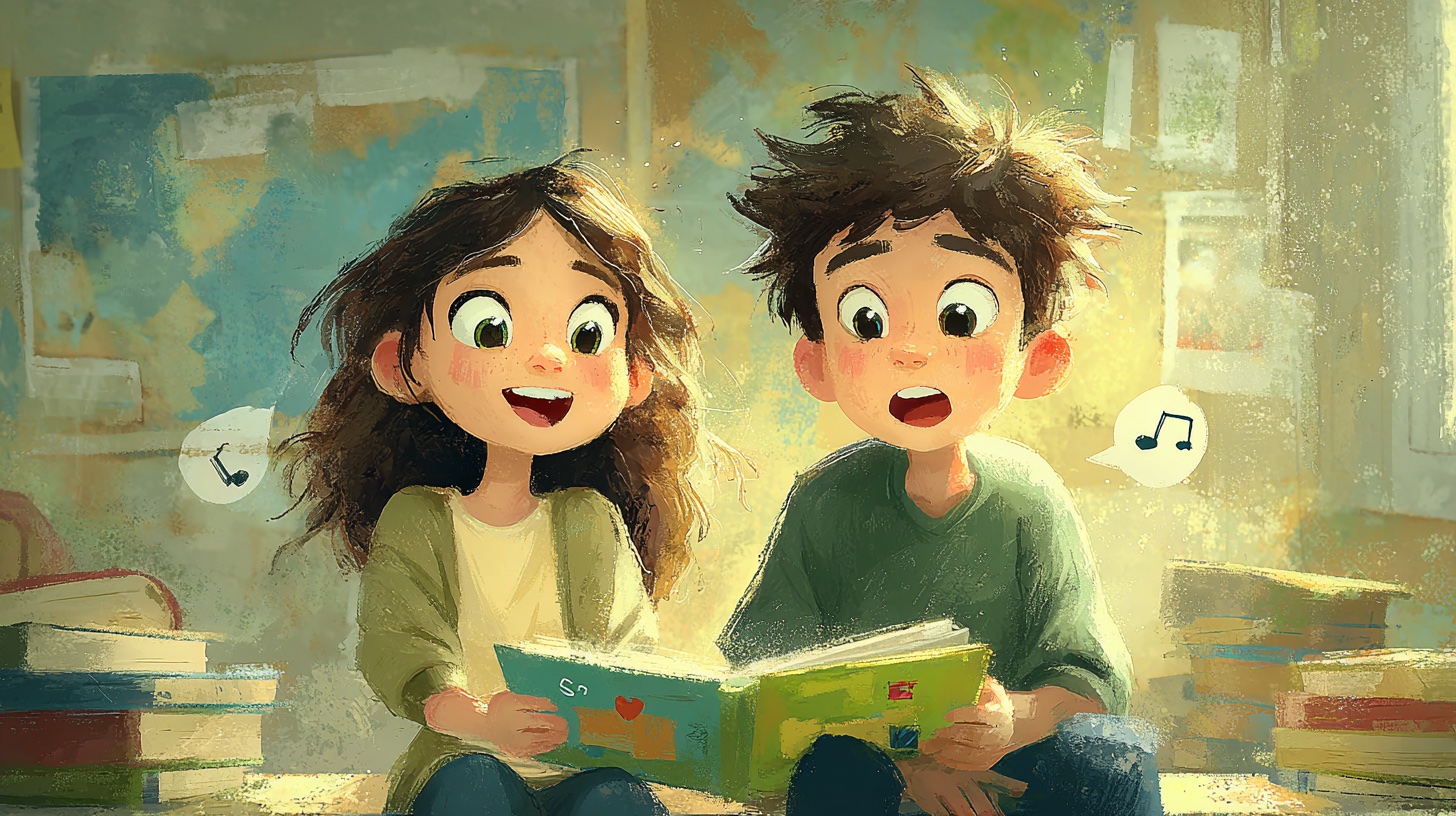
Bilingual children show stronger executive function, cognitive flexibility, and metalinguistic awareness. Music is one of the most effective tools for second language acquisition because it engages memory, pronunciation, and emotional connection simultaneously. We recommend 10 English-Spanish and 5 Korean-English bilingual songs, plus practical tips for creating a bilingual music environment at home. Los niños bilingües muestran mayor función ejecutiva, flexibilidad cognitiva y conciencia metalingüística. La música es una de las herramientas más efectivas para la adquisición de un segundo idioma. Recomendamos 10 canciones bilingües inglés-español y 5 coreano-inglés, además de consejos prácticos para crear un ambiente musical bilingüe en el hogar. 이중언어 아이들은 더 강한 실행 기능, 인지 유연성, 메타언어 인식을 보여줍니다. 음악은 기억, 발음, 감정적 연결을 동시에 활용하기 때문에 제2언어 습득에 가장 효과적인 도구 중 하나입니다. 영어-스페인어 10곡, 한국어-영어 5곡의 이중언어 노래와 가정에서 이중언어 음악 환경을 만드는 실전 팁을 소개합니다.
Over 63 million people in the United States speak Spanish at home, according to the U.S. Census Bureau (2023). For Hispanic families raising children in America, bilingualism is not just a cultural treasure—it is a measurable cognitive advantage. And one of the most effective, joyful ways to build that advantage starts with something every child loves: music.
Research spanning six decades consistently shows that bilingual children outperform monolingual peers in executive function, problem-solving, and mental flexibility. Meanwhile, neuroscience has revealed that singing activates language-learning pathways in the brain more effectively than speech alone. When you combine these two findings, the implication is clear: bilingual songs are among the most powerful tools parents have for raising children who think, communicate, and learn in two languages.
In this guide, we review the latest research on bilingual cognitive advantages, explain the science behind music-based language learning, and recommend 15 bilingual songs—10 for English-Spanish families and 5 for Korean-English families—with practical tips you can start using today.
The Cognitive Advantages of Raising Bilingual Children
The scientific case for bilingualism is overwhelming. A landmark meta-analysis by Adesope et al. (2010), published in Review of Educational Research, examined 63 studies involving over 6,000 participants and found that bilingualism produces significant positive effects on cognitive abilities, particularly in attentional control, working memory, metalinguistic awareness, and abstract reasoning.
Here are the key advantages research has identified:
- Enhanced executive function: Bialystok (2012) demonstrated that bilingual children consistently outperform monolinguals on tasks requiring inhibitory control and task switching—the mental muscles needed for focus, self-regulation, and problem-solving. These advantages appear as early as age 3.
- Greater cognitive flexibility: Costa and Sebastián-Gallés (2014) found that managing two languages trains the brain to switch between mental frameworks more efficiently, a skill that transfers to non-linguistic tasks like math and spatial reasoning.
- Superior metalinguistic awareness: Bilingual children understand language as a system earlier than monolinguals. Peal and Lambert's foundational 1962 study—replicated numerous times since—showed bilingual children scored higher on both verbal and non-verbal intelligence measures.
- Enhanced auditory processing: Krizman et al. (2012), publishing in Proceedings of the National Academy of Sciences, found that bilingual adolescents showed more efficient neural encoding of sound, meaning their brains were literally better at processing acoustic information.
For Hispanic families in the United States, these benefits compound with cultural connection. Children who maintain Spanish while learning English don't just gain cognitive advantages—they maintain deeper bonds with extended family, cultural traditions, and community identity.
How Music Accelerates Second Language Acquisition
Why is singing so effective for language learning? The answer lies in how the brain processes music versus speech.
Schön et al. (2008) published a groundbreaking study in Journal of Cognitive Neuroscience showing that musical structure helps listeners segment and remember new words in unfamiliar languages. When words are embedded in melody, the brain creates stronger memory traces than when the same words are simply spoken.
Ludke, Ferreira, and Overy (2014) took this further with a controlled experiment at the University of Edinburgh. Adults who learned Hungarian phrases by singing them recalled significantly more words than those who learned by speaking or rhythmic speaking alone. The melodic condition produced the strongest results—and this effect was even more pronounced for participants with no prior musical training.
Several mechanisms explain why music supercharges language learning:
- Dual encoding: Songs engage both the language network (left hemisphere) and the music network (right hemisphere), creating redundant memory pathways that make recall more reliable (Patel, 2011).
- Phonological scaffolding: Melody and rhythm provide a framework that highlights syllable boundaries, stress patterns, and intonation—precisely the features that make a second language sound natural.
- Emotional engagement: Music activates the limbic system, triggering emotional responses that enhance memory consolidation. Children remember what they feel (Jäncke, 2008).
- Repetition without boredom: Children will sing the same song dozens of times happily, while they resist repeating spoken phrases. This natural repetition is essential for language acquisition (Murphey, 1990).
For children specifically, the combination of music and language activates what Kuhl (2010) calls the "social gating" mechanism—when language input comes through an engaging, emotionally positive channel, the brain's language-learning circuits open more fully.
10 Best English-Spanish Bilingual Songs for Kids
The following songs are ideal for families building English-Spanish bilingualism. Each selection alternates between languages or incorporates vocabulary from both, making them perfect for natural code-switching practice.
1. "Head, Shoulders, Knees and Toes / Cabeza, Hombros, Rodillas y Pies"
Skills: Body part vocabulary, pronunciation, motor coordination
Alternate verses between English and Spanish. The physical movements create embodied learning—children associate words with actions, forming stronger memory connections in both languages.
2. "The Wheels on the Bus / Las Ruedas del Autobús"
Skills: Action verbs, onomatopoeia, narrative sequence
Sing the first verse in English, the second in Spanish. The repetitive structure ("round and round / dan vueltas y vueltas") lets children predict and anticipate vocabulary in both languages.
3. "Old MacDonald / En la Granja de mi Tío"
Skills: Animal vocabulary, sound association, cultural comparison
Animal sounds differ between languages (a rooster says "cock-a-doodle-doo" in English but "quiquiriquí" in Spanish). This teaches children that languages represent the same world in different ways—a fundamental metalinguistic insight.
4. "Twinkle, Twinkle, Little Star / Estrellita, ¿Dónde Estás?"
Skills: Nature vocabulary, question formation, melody matching
The Spanish version uses a question format ("¿Dónde estás?") while the English uses descriptive language. Comparing the two builds awareness of different sentence structures across languages.
5. "If You're Happy and You Know It / Si Estás Feliz"
Skills: Emotion vocabulary, conditional grammar, motor response
Emotion words are among the most useful early vocabulary. Singing this song bilingually teaches children to express feelings in both languages—an essential skill for bilingual emotional development.
6. "Five Little Monkeys / Cinco Monitos"
Skills: Number vocabulary, counting down, cause and effect
Numbers in a second language are among the first words children can master through songs. The countdown structure provides built-in repetition with decreasing complexity.
7. "Baby Shark / Bebé Tiburón"
Skills: Family vocabulary, size concepts, rhythm patterns
The family roles (baby, mommy, daddy, grandma, grandpa) transfer directly between languages. Children learn kinship vocabulary in context while enjoying the famously catchy melody.
8. "The Itsy Bitsy Spider / La Pequeña Araña"
Skills: Weather vocabulary, perseverance concepts, fine motor
The finger movements remain identical in both languages, providing a physical anchor that helps children connect Spanish and English vocabulary to the same meaning.
9. "Row, Row, Row Your Boat / Rema, Rema, Rema Tu Bote"
Skills: Verb conjugation patterns, rhythm, cooperative singing
Sing as a round with one group in English and another in Spanish. This creates a natural bilingual environment where both languages exist simultaneously—mimicking real bilingual communities.
10. "ABC Song / La Canción del Abecedario"
Skills: Alphabet, letter sounds, phonemic differences
The Spanish alphabet includes additional sounds. Comparing both versions teaches children that writing systems share structures but have language-specific features—critical knowledge for bilingual literacy.
Where to find bilingual kids' songs: The HiDino English channel and HiDino Spanish channel offer the same songs in both languages, making it easy to alternate between versions.
5 Best Korean-English Bilingual Songs for Kids
For Korean families raising children with English as a second language, music bridges the significant structural gap between Korean and English. These songs are particularly effective because they target vocabulary and structures that Korean-speaking children find most challenging.
1. "곰 세 마리 (Three Bears) / Goldilocks Song"
Skills: Family vocabulary, size adjectives (big/medium/small), descriptive language
This beloved Korean children's song maps directly to English size concepts. The three bears provide a natural scaffold for comparative adjectives in both languages.
2. "나비야 나비야 (Butterfly, Butterfly)"
Skills: Nature vocabulary, color words, imperative sentences
Color vocabulary is one of the easiest bridges between Korean and English. Singing about butterflies in both languages helps children build a color vocabulary foundation that transfers across languages.
3. "작은 별 (Little Star) / Twinkle, Twinkle"
Skills: Nature vocabulary, adjective usage, shared melody recognition
The identical melody in both languages creates what researchers call a "musical bridge"—children recognize the tune and transfer meaning between Korean and English naturally.
4. "머리 어깨 무릎 발 (Head, Shoulders, Knees, Feet)"
Skills: Body parts, word order differences, kinesthetic learning
Korean uses a different word order than English. Singing both versions highlights this structural difference in a non-threatening, playful context that builds grammatical intuition.
5. "ABC 송 / 가나다 송"
Skills: Alphabetic systems, phonemic awareness, writing system comparison
Pairing the English ABC song with the Korean 가나다 song teaches children that different languages use different writing systems to represent sounds—a powerful metalinguistic insight.
For more strategies on using English songs for language learning, see our guide: Learning English Through Kids' Songs.
Creating a Bilingual Music Environment at Home: 5 Practical Tips
Research shows that consistent, daily exposure is more important than total hours for language acquisition (Pearson et al., 1997). Here are evidence-based strategies for building bilingual music into your family's routine:
Tip 1: The "One Language, One Playlist" Method
Create separate playlists for each language. Play the English playlist during morning routines and the Spanish (or Korean) playlist during evening routines. This associates each language with specific daily contexts, mimicking the natural language separation that supports bilingual development (Döpke, 1992).
Tip 2: Bilingual Song Pairs
When your child learns a song in one language, immediately introduce the same song in the other language. The familiar melody serves as a cognitive scaffold that makes the new language version feel accessible rather than foreign.
Tip 3: Car Time = Language Time
Dedicate car rides to second-language music. The enclosed space, lack of visual distractions, and repetitive nature of commutes create ideal conditions for musical language exposure. Many bilingual families report that car time songs become their children's strongest vocabulary source.
Tip 4: Dance and Move
Add physical movements to bilingual songs. Research by Mavilidi et al. (2015) demonstrated that children who learned vocabulary through physical movement retained 40% more words than those who learned while sitting still. Dance, gestures, and actions create embodied memory that strengthens both language tracks.
Tip 5: Sing Together, Don't Just Play
Active singing produces stronger language outcomes than passive listening. When parents sing with children, they provide live, interactive language input—what Kuhl (2007) identified as the most effective form of language exposure for young children. Don't worry about your singing voice; your child isn't a music critic.
Using HiDino YouTube Channels for Bilingual Learning
The HiDino Kids Songs (English) and HiDino Canciones Para Niños (Spanish) YouTube channels offer a unique advantage for bilingual families: the same animated songs and stories in both English and Spanish.
Here's how to maximize these channels for bilingual development:
- Watch the English version first, then the Spanish version (or vice versa). The identical visuals help children map vocabulary between languages without needing translation.
- Use the album landing pages at KidsFunLab Music to find songs organized by theme and language, with links to all streaming platforms.
- Create a bilingual rotation schedule: English channel on Monday-Wednesday-Friday, Spanish channel on Tuesday-Thursday-Saturday, child's choice on Sunday.
- Pause and discuss: After watching a song, ask your child to name objects or actions from the video in the other language. This active retrieval practice strengthens bilingual connections.
For a deeper look at how music supports brain development, explore our comprehensive guide: The Science of Music and Children's Brain Development.
Más de 63 millones de personas en Estados Unidos hablan español en el hogar, según la Oficina del Censo de EE.UU. (2023). Para las familias hispanas que crían hijos en Estados Unidos, el bilingüismo no es solo un tesoro cultural—es una ventaja cognitiva medible. Y una de las formas más efectivas y alegres de construir esa ventaja comienza con algo que todo niño ama: la música.
Investigaciones que abarcan seis décadas demuestran consistentemente que los niños bilingües superan a sus compañeros monolingües en función ejecutiva, resolución de problemas y flexibilidad mental. Mientras tanto, la neurociencia ha revelado que cantar activa las vías de aprendizaje del lenguaje en el cerebro de manera más efectiva que solo hablar. Cuando combinas estos dos hallazgos, la implicación es clara: las canciones bilingües están entre las herramientas más poderosas que los padres tienen para criar hijos que piensen, se comuniquen y aprendan en dos idiomas.
En esta guía, revisamos las últimas investigaciones sobre las ventajas cognitivas del bilingüismo, explicamos la ciencia detrás del aprendizaje de idiomas basado en música, y recomendamos 15 canciones bilingües—10 para familias inglés-español y 5 para familias coreano-inglés—con consejos prácticos que puedes empezar a usar hoy.
Las Ventajas Cognitivas de Criar Niños Bilingües
La evidencia científica a favor del bilingüismo es abrumadora. Un meta-análisis de referencia realizado por Adesope et al. (2010), publicado en Review of Educational Research, examinó 63 estudios con más de 6,000 participantes y encontró que el bilingüismo produce efectos positivos significativos en las habilidades cognitivas, particularmente en control atencional, memoria de trabajo, conciencia metalingüística y razonamiento abstracto.
Estas son las ventajas clave que la investigación ha identificado:
- Función ejecutiva mejorada: Bialystok (2012) demostró que los niños bilingües consistentemente superan a los monolingües en tareas que requieren control inhibitorio y cambio de tareas—los músculos mentales necesarios para la concentración, autorregulación y resolución de problemas. Estas ventajas aparecen tan temprano como a los 3 años.
- Mayor flexibilidad cognitiva: Costa y Sebastián-Gallés (2014) encontraron que manejar dos idiomas entrena al cerebro para cambiar entre marcos mentales de manera más eficiente, una habilidad que se transfiere a tareas no lingüísticas como matemáticas y razonamiento espacial.
- Conciencia metalingüística superior: Los niños bilingües entienden el lenguaje como un sistema antes que los monolingües. El estudio fundacional de Peal y Lambert de 1962—replicado numerosas veces desde entonces—mostró que los niños bilingües obtuvieron puntuaciones más altas en medidas de inteligencia tanto verbal como no verbal.
- Procesamiento auditivo mejorado: Krizman et al. (2012), publicando en Proceedings of the National Academy of Sciences, encontraron que los adolescentes bilingües mostraron una codificación neuronal del sonido más eficiente, lo que significa que sus cerebros eran literalmente mejores procesando información acústica.
Para las familias hispanas en Estados Unidos, estos beneficios se multiplican con la conexión cultural. Los niños que mantienen el español mientras aprenden inglés no solo obtienen ventajas cognitivas—mantienen vínculos más profundos con la familia extendida, las tradiciones culturales y la identidad comunitaria. En hogares mexicano-americanos, donde la música es parte integral de celebraciones familiares y reuniones, las canciones bilingües conectan naturalmente ambos mundos.
Cómo la Música Acelera la Adquisición del Segundo Idioma
¿Por qué cantar es tan efectivo para aprender idiomas? La respuesta está en cómo el cerebro procesa la música versus el habla.
Schön et al. (2008) publicaron un estudio innovador en Journal of Cognitive Neuroscience que mostró que la estructura musical ayuda a los oyentes a segmentar y recordar palabras nuevas en idiomas desconocidos. Cuando las palabras se incrustan en una melodía, el cerebro crea huellas de memoria más fuertes que cuando las mismas palabras simplemente se hablan.
Ludke, Ferreira y Overy (2014) llevaron esto más lejos con un experimento controlado en la Universidad de Edimburgo. Los adultos que aprendieron frases en húngaro cantándolas recordaron significativamente más palabras que aquellos que aprendieron hablando o con habla rítmica. La condición melódica produjo los resultados más fuertes.
Varios mecanismos explican por qué la música potencia el aprendizaje de idiomas:
- Codificación dual: Las canciones activan tanto la red del lenguaje (hemisferio izquierdo) como la red musical (hemisferio derecho), creando vías de memoria redundantes que hacen el recuerdo más confiable (Patel, 2011).
- Andamiaje fonológico: La melodía y el ritmo proporcionan un marco que destaca los límites silábicos, patrones de acento y entonación—precisamente las características que hacen que un segundo idioma suene natural.
- Compromiso emocional: La música activa el sistema límbico, provocando respuestas emocionales que mejoran la consolidación de la memoria. Los niños recuerdan lo que sienten (Jäncke, 2008).
- Repetición sin aburrimiento: Los niños cantarán la misma canción docenas de veces felizmente, mientras que se resisten a repetir frases habladas. Esta repetición natural es esencial para la adquisición del lenguaje (Murphey, 1990).
Para los niños específicamente, la combinación de música y lenguaje activa lo que Kuhl (2010) llama el mecanismo de "puerta social"—cuando la entrada lingüística llega a través de un canal atractivo y emocionalmente positivo, los circuitos de aprendizaje de idiomas del cerebro se abren más completamente.
10 Mejores Canciones Bilingües Inglés-Español para Niños
Las siguientes canciones son ideales para familias que construyen el bilingüismo inglés-español. Cada selección alterna entre idiomas o incorpora vocabulario de ambos, haciéndolas perfectas para la práctica natural del cambio de código.
1. "Head, Shoulders, Knees and Toes / Cabeza, Hombros, Rodillas y Pies"
Habilidades: Vocabulario de partes del cuerpo, pronunciación, coordinación motora
Alterna los versos entre inglés y español. Los movimientos físicos crean aprendizaje encarnado—los niños asocian palabras con acciones, formando conexiones de memoria más fuertes en ambos idiomas.
2. "The Wheels on the Bus / Las Ruedas del Autobús"
Habilidades: Verbos de acción, onomatopeyas, secuencia narrativa
Canta el primer verso en inglés, el segundo en español. La estructura repetitiva ("round and round / dan vueltas y vueltas") permite que los niños predigan y anticipen vocabulario en ambos idiomas.
3. "Old MacDonald / En la Granja de mi Tío"
Habilidades: Vocabulario animal, asociación de sonidos, comparación cultural
Los sonidos de los animales difieren entre idiomas (un gallo dice "cock-a-doodle-doo" en inglés pero "quiquiriquí" en español). Esto enseña a los niños que los idiomas representan el mismo mundo de diferentes maneras—una percepción metalingüística fundamental.
4. "Twinkle, Twinkle, Little Star / Estrellita, ¿Dónde Estás?"
Habilidades: Vocabulario de la naturaleza, formación de preguntas, correspondencia melódica
La versión en español usa formato de pregunta ("¿Dónde estás?") mientras que la inglesa usa lenguaje descriptivo. Comparar ambas construye conciencia de diferentes estructuras oracionales entre idiomas.
5. "If You're Happy and You Know It / Si Estás Feliz"
Habilidades: Vocabulario emocional, gramática condicional, respuesta motora
Las palabras de emociones están entre el vocabulario temprano más útil. Cantar esta canción bilingüemente enseña a los niños a expresar sentimientos en ambos idiomas—una habilidad esencial para el desarrollo emocional bilingüe.
6. "Five Little Monkeys / Cinco Monitos"
Habilidades: Vocabulario numérico, conteo regresivo, causa y efecto
Los números en un segundo idioma están entre las primeras palabras que los niños pueden dominar a través de canciones. La estructura de cuenta regresiva proporciona repetición incorporada con complejidad decreciente.
7. "Baby Shark / Bebé Tiburón"
Habilidades: Vocabulario familiar, conceptos de tamaño, patrones rítmicos
Los roles familiares (bebé, mamá, papá, abuela, abuelo) se transfieren directamente entre idiomas. Los niños aprenden vocabulario de parentesco en contexto mientras disfrutan la melodía famosamente pegajosa.
8. "The Itsy Bitsy Spider / La Pequeña Araña"
Habilidades: Vocabulario del clima, conceptos de perseverancia, motricidad fina
Los movimientos con los dedos son idénticos en ambos idiomas, proporcionando un ancla física que ayuda a los niños a conectar vocabulario en español e inglés con el mismo significado.
9. "Row, Row, Row Your Boat / Rema, Rema, Rema Tu Bote"
Habilidades: Patrones de conjugación verbal, ritmo, canto cooperativo
Canta como canon con un grupo en inglés y otro en español. Esto crea un ambiente bilingüe natural donde ambos idiomas existen simultáneamente—imitando comunidades bilingües reales.
10. "ABC Song / La Canción del Abecedario"
Habilidades: Alfabeto, sonidos de letras, diferencias fonémicas
El alfabeto español incluye sonidos adicionales. Comparar ambas versiones enseña a los niños que los sistemas de escritura comparten estructuras pero tienen características específicas de cada idioma—conocimiento crítico para la alfabetización bilingüe.
Dónde encontrar canciones infantiles bilingües: El canal de HiDino en inglés y el canal de HiDino en español ofrecen las mismas canciones en ambos idiomas, facilitando la alternancia entre versiones.
5 Mejores Canciones Bilingües Coreano-Inglés para Niños
Para familias coreanas que crían hijos con inglés como segundo idioma, la música conecta la brecha estructural significativa entre el coreano y el inglés. Estas canciones son particularmente efectivas porque apuntan al vocabulario y las estructuras que los niños coreano-parlantes encuentran más desafiantes.
1. "곰 세 마리 (Three Bears) / Canción de Ricitos de Oro"
Habilidades: Vocabulario familiar, adjetivos de tamaño, lenguaje descriptivo
Esta querida canción infantil coreana se conecta directamente con conceptos de tamaño en inglés. Los tres osos proporcionan un andamiaje natural para adjetivos comparativos en ambos idiomas.
2. "나비야 나비야 (Butterfly, Butterfly)"
Habilidades: Vocabulario de la naturaleza, palabras de colores, oraciones imperativas
El vocabulario de colores es uno de los puentes más fáciles entre el coreano y el inglés. Cantar sobre mariposas en ambos idiomas ayuda a los niños a construir una base de vocabulario de colores que se transfiere entre idiomas.
3. "작은 별 (Little Star) / Twinkle, Twinkle"
Habilidades: Vocabulario de la naturaleza, uso de adjetivos, reconocimiento de melodía compartida
La melodía idéntica en ambos idiomas crea lo que los investigadores llaman un "puente musical"—los niños reconocen la melodía y transfieren significado entre coreano e inglés naturalmente.
4. "머리 어깨 무릎 발 (Head, Shoulders, Knees, Feet)"
Habilidades: Partes del cuerpo, diferencias de orden de palabras, aprendizaje kinestésico
El coreano usa un orden de palabras diferente al inglés. Cantar ambas versiones resalta esta diferencia estructural en un contexto lúdico y no amenazante que construye intuición gramatical.
5. "ABC Song / 가나다 Song"
Habilidades: Sistemas alfabéticos, conciencia fonémica, comparación de sistemas de escritura
Emparejar la canción ABC en inglés con la canción 가나다 coreana enseña a los niños que diferentes idiomas usan diferentes sistemas de escritura para representar sonidos—una percepción metalingüística poderosa.
Para más estrategias sobre el uso de canciones en inglés para el aprendizaje de idiomas, consulta nuestra guía: Aprendiendo Inglés a Través de Canciones Infantiles.
Creando un Ambiente Musical Bilingüe en el Hogar: 5 Consejos Prácticos
Las investigaciones muestran que la exposición constante y diaria es más importante que las horas totales para la adquisición del lenguaje (Pearson et al., 1997). Aquí hay estrategias basadas en evidencia para integrar la música bilingüe en la rutina familiar:
Consejo 1: El Método "Un Idioma, Una Playlist"
Crea listas de reproducción separadas para cada idioma. Reproduce la playlist en inglés durante las rutinas de la mañana y la de español durante las rutinas de la noche. Esto asocia cada idioma con contextos diarios específicos, imitando la separación natural de idiomas que apoya el desarrollo bilingüe (Döpke, 1992).
Consejo 2: Pares de Canciones Bilingües
Cuando tu hijo aprende una canción en un idioma, introduce inmediatamente la misma canción en el otro idioma. La melodía familiar sirve como un andamiaje cognitivo que hace que la versión en el nuevo idioma se sienta accesible en lugar de extraña.
Consejo 3: Tiempo en el Carro = Tiempo de Idiomas
Dedica los viajes en carro a música en el segundo idioma. El espacio cerrado, la falta de distracciones visuales y la naturaleza repetitiva de los trayectos crean condiciones ideales para la exposición musical al idioma. Muchas familias bilingües reportan que las canciones en el carro se convierten en la fuente de vocabulario más fuerte de sus hijos.
Consejo 4: Baila y Muévete
Agrega movimientos físicos a las canciones bilingües. La investigación de Mavilidi et al. (2015) demostró que los niños que aprendieron vocabulario a través de movimiento físico retuvieron un 40% más de palabras que quienes aprendieron sentados. El baile, los gestos y las acciones crean memoria encarnada que fortalece ambas pistas lingüísticas.
Consejo 5: Canta Junto, No Solo Reproduzcas
Cantar activamente produce mejores resultados lingüísticos que escuchar pasivamente. Cuando los padres cantan con los niños, proporcionan entrada lingüística en vivo e interactiva—lo que Kuhl (2007) identificó como la forma más efectiva de exposición al idioma para niños pequeños. No te preocupes por tu voz; tu hijo no es un crítico musical.
Usando los Canales de YouTube de HiDino para el Aprendizaje Bilingüe
Los canales de YouTube HiDino Kids Songs (inglés) y HiDino Canciones Para Niños (español) ofrecen una ventaja única para familias bilingües: las mismas canciones y cuentos animados en inglés y español.
Así puedes maximizar estos canales para el desarrollo bilingüe:
- Mira primero la versión en inglés, luego la versión en español (o al revés). Los visuales idénticos ayudan a los niños a mapear vocabulario entre idiomas sin necesitar traducción.
- Usa las páginas de álbumes en KidsFunLab Music para encontrar canciones organizadas por tema e idioma, con enlaces a todas las plataformas de streaming.
- Crea un horario de rotación bilingüe: Canal en inglés lunes-miércoles-viernes, canal en español martes-jueves-sábado, elección del niño el domingo.
- Pausa y conversa: Después de ver una canción, pide a tu hijo que nombre objetos o acciones del video en el otro idioma. Esta práctica de recuperación activa fortalece las conexiones bilingües.
Para una mirada más profunda sobre cómo la música apoya el desarrollo cerebral, explora nuestra guía completa: La Ciencia de la Música y el Desarrollo Cerebral Infantil.
미국에서 6,300만 명 이상이 가정에서 스페인어를 사용합니다(미국 인구조사국, 2023). 미국에서 자녀를 키우는 히스패닉 가정에게 이중언어는 단순한 문화적 자산이 아닙니다—측정 가능한 인지적 이점입니다. 그리고 그 이점을 키우는 가장 효과적이고 즐거운 방법은 모든 아이가 좋아하는 것에서 시작됩니다: 바로 음악입니다.
60년에 걸친 연구들은 이중언어 아이들이 단일언어 또래보다 실행 기능, 문제 해결, 정신적 유연성에서 더 뛰어나다는 것을 일관되게 보여줍니다. 또한 신경과학은 노래가 단순한 말하기보다 뇌의 언어 학습 경로를 더 효과적으로 활성화한다는 것을 밝혔습니다. 이 두 가지 발견을 결합하면 의미는 명확합니다: 이중언어 노래는 부모가 두 언어로 생각하고, 소통하고, 학습하는 아이를 키우기 위한 가장 강력한 도구입니다.
이 가이드에서는 이중언어 인지 이점에 대한 최신 연구를 검토하고, 음악 기반 언어 학습의 과학을 설명하며, 15곡의 이중언어 노래—영어-스페인어 가정을 위한 10곡과 한국어-영어 가정을 위한 5곡—를 오늘부터 사용할 수 있는 실전 팁과 함께 추천합니다.
이중언어 아이의 인지적 장점
이중언어에 대한 과학적 근거는 압도적입니다. Adesope et al.(2010)이 Review of Educational Research에 발표한 획기적인 메타분석은 6,000명 이상의 참가자가 포함된 63개 연구를 검토했으며, 이중언어가 인지 능력에 유의미한 긍정적 효과를 미친다는 것을 발견했습니다—특히 주의 통제, 작업 기억, 메타언어 인식, 추상적 추론에서.
연구가 밝힌 주요 장점들입니다:
- 향상된 실행 기능: Bialystok(2012)은 이중언어 아이들이 억제 통제와 과제 전환을 요구하는 과제에서 단일언어 아이들보다 일관되게 우수하다는 것을 입증했습니다—집중력, 자기 조절, 문제 해결에 필요한 정신적 근육입니다. 이러한 장점은 3세부터 나타납니다.
- 더 큰 인지 유연성: Costa와 Sebastián-Gallés(2014)는 두 언어를 관리하는 것이 뇌를 훈련시켜 정신적 틀 사이를 더 효율적으로 전환하게 한다는 것을 발견했습니다—수학과 공간 추론 같은 비언어적 과제로도 전이되는 기술입니다.
- 우수한 메타언어 인식: 이중언어 아이들은 단일언어 아이들보다 더 일찍 언어를 하나의 시스템으로 이해합니다. Peal과 Lambert의 1962년 기초 연구—이후 수차례 재현됨—는 이중언어 아이들이 언어적, 비언어적 지능 측정 모두에서 더 높은 점수를 받았음을 보여주었습니다.
- 향상된 청각 처리: Krizman et al.(2012)이 Proceedings of the National Academy of Sciences에 발표한 연구에서, 이중언어 청소년이 더 효율적인 소리의 신경 인코딩을 보여주었습니다—그들의 뇌가 말 그대로 음향 정보를 더 잘 처리한다는 의미입니다.
한국 가정에게 이러한 이점은 특별한 의미가 있습니다. 한국에서 영어 교육은 매우 중요하게 여겨지며, 연구는 어릴 때부터 시작하는 이중언어 노출이 나중에 학업적 성공과 직접 연결된다는 것을 보여줍니다. 음악을 통한 영어 학습은 비용이 적게 들면서도 효과적인 방법입니다.
음악이 제2언어 습득을 가속화하는 과학적 원리
노래가 언어 학습에 왜 그렇게 효과적일까요? 답은 뇌가 음악과 말을 처리하는 방식의 차이에 있습니다.
Schön et al.(2008)이 Journal of Cognitive Neuroscience에 발표한 획기적인 연구는 음악적 구조가 청취자가 낯선 언어에서 새로운 단어를 분절하고 기억하는 데 도움을 준다는 것을 보여주었습니다. 단어가 멜로디에 내장되면, 뇌는 같은 단어를 단순히 말할 때보다 더 강한 기억 흔적을 만듭니다.
Ludke, Ferreira, Overy(2014)는 에든버러 대학교에서 통제된 실험으로 이를 더 발전시켰습니다. 헝가리어 문구를 노래로 배운 성인들이 말하기나 리듬 말하기로 배운 사람들보다 유의미하게 더 많은 단어를 기억했습니다. 멜로디 조건이 가장 강력한 결과를 보였습니다.
음악이 언어 학습을 가속화하는 여러 메커니즘이 있습니다:
- 이중 인코딩: 노래는 언어 네트워크(좌반구)와 음악 네트워크(우반구) 모두를 활성화하여, 기억 회상을 더 안정적으로 만드는 중복 기억 경로를 생성합니다(Patel, 2011).
- 음운 비계: 멜로디와 리듬은 음절 경계, 강세 패턴, 억양을 강조하는 틀을 제공합니다—정확히 제2언어를 자연스럽게 들리게 하는 특성들입니다.
- 감정적 참여: 음악은 변연계를 활성화하여 기억 공고화를 강화하는 감정적 반응을 유발합니다. 아이들은 느끼는 것을 기억합니다(Jäncke, 2008).
- 지루함 없는 반복: 아이들은 같은 노래를 수십 번 행복하게 부르지만, 같은 구문을 반복하는 것은 거부합니다. 이 자연스러운 반복은 언어 습득에 필수적입니다(Murphey, 1990).
특히 아이들의 경우, 음악과 언어의 결합은 Kuhl(2010)이 "사회적 관문" 메커니즘이라고 부르는 것을 활성화합니다—언어 입력이 매력적이고 감정적으로 긍정적인 채널을 통해 들어올 때, 뇌의 언어 학습 회로가 더 완전히 열립니다.
영어-스페인어 이중언어 노래 추천 10곡
다음 노래들은 영어-스페인어 이중언어를 발달시키는 가정에 이상적입니다. 각 곡은 두 언어 사이를 오가거나 양쪽의 어휘를 통합하여, 자연스러운 코드 전환 연습에 완벽합니다.
1. "Head, Shoulders, Knees and Toes / Cabeza, Hombros, Rodillas y Pies"
발달 영역: 신체 부위 어휘, 발음, 운동 협응
영어와 스페인어를 번갈아 부르세요. 신체 움직임이 체화된 학습을 만들어—아이들이 단어를 동작과 연결하며 두 언어 모두에서 더 강한 기억 연결을 형성합니다.
2. "The Wheels on the Bus / Las Ruedas del Autobús"
발달 영역: 동작 동사, 의성어, 서사 순서
첫 번째 절은 영어로, 두 번째 절은 스페인어로 부르세요. 반복 구조가 아이들이 두 언어의 어휘를 예측하고 기대할 수 있게 합니다.
3. "Old MacDonald / En la Granja de mi Tío"
발달 영역: 동물 어휘, 소리 연결, 문화 비교
동물 소리는 언어마다 다릅니다(수탉은 영어로 "cock-a-doodle-doo", 스페인어로 "quiquiriquí"). 이것은 아이들에게 언어가 같은 세계를 다른 방식으로 표현한다는 근본적인 메타언어적 통찰을 가르칩니다.
4. "Twinkle, Twinkle, Little Star / Estrellita, ¿Dónde Estás?"
발달 영역: 자연 어휘, 의문문 형성, 멜로디 매칭
스페인어 버전은 질문 형식을, 영어 버전은 서술적 표현을 사용합니다. 둘을 비교하면 언어 간 다른 문장 구조에 대한 인식이 형성됩니다.
5. "If You're Happy and You Know It / Si Estás Feliz"
발달 영역: 감정 어휘, 조건 문법, 운동 반응
감정 단어는 가장 유용한 초기 어휘에 속합니다. 이 노래를 이중언어로 부르면 아이들이 두 언어로 감정을 표현하는 법을 배웁니다—이중언어 감정 발달에 필수적인 기술입니다.
6. "Five Little Monkeys / Cinco Monitos"
발달 영역: 숫자 어휘, 역순 세기, 인과관계
제2언어의 숫자는 노래를 통해 아이들이 가장 먼저 습득할 수 있는 단어입니다. 카운트다운 구조가 복잡성이 감소하는 내장된 반복을 제공합니다.
7. "Baby Shark / Bebé Tiburón"
발달 영역: 가족 어휘, 크기 개념, 리듬 패턴
가족 역할(아기, 엄마, 아빠, 할머니, 할아버지)이 언어 간에 직접 전달됩니다. 아이들은 유명한 중독성 있는 멜로디를 즐기면서 맥락 속에서 친족 어휘를 배웁니다.
8. "The Itsy Bitsy Spider / La Pequeña Araña"
발달 영역: 날씨 어휘, 인내 개념, 소근육 운동
손가락 동작이 두 언어에서 동일하여, 아이들이 스페인어와 영어 어휘를 같은 의미에 연결하는 물리적 고정점을 제공합니다.
9. "Row, Row, Row Your Boat / Rema, Rema, Rema Tu Bote"
발달 영역: 동사 활용 패턴, 리듬, 협동 노래
한 그룹은 영어로, 다른 그룹은 스페인어로 돌림노래를 부르세요. 이것은 두 언어가 동시에 존재하는 자연스러운 이중언어 환경을 만들어—실제 이중언어 커뮤니티를 모방합니다.
10. "ABC Song / La Canción del Abecedario"
발달 영역: 알파벳, 글자 소리, 음소 차이
스페인어 알파벳은 추가 소리를 포함합니다. 두 버전을 비교하면 문자 체계가 구조를 공유하지만 언어별 특성이 있다는 것을 가르칩니다—이중언어 문해력에 중요한 지식입니다.
이중언어 어린이 노래를 찾는 곳: HiDino 영어 채널과 HiDino 스페인어 채널은 같은 노래를 두 언어로 제공하여, 버전 간 전환이 쉽습니다.
한국어-영어 이중언어 노래 추천 5곡
한국어-영어 이중언어로 자녀를 키우는 가정을 위해, 음악은 한국어와 영어 사이의 상당한 구조적 차이를 연결합니다. 이 노래들은 한국어를 사용하는 아이들이 가장 어려워하는 어휘와 구조를 목표로 하기 때문에 특히 효과적입니다.
1. "곰 세 마리 (Three Bears) / Goldilocks Song"
발달 영역: 가족 어휘, 크기 형용사(큰/중간/작은), 묘사적 언어
이 사랑받는 한국 동요는 영어의 크기 개념과 직접 연결됩니다. 세 마리 곰은 두 언어에서 비교급 형용사를 위한 자연스러운 비계를 제공합니다.
2. "나비야 나비야 (Butterfly, Butterfly)"
발달 영역: 자연 어휘, 색깔 단어, 명령문
색깔 어휘는 한국어와 영어 사이의 가장 쉬운 다리 중 하나입니다. 두 언어로 나비에 대해 노래하면 아이들이 언어 간 전이되는 색깔 어휘 기초를 쌓는 데 도움이 됩니다.
3. "작은 별 (Little Star) / Twinkle, Twinkle"
발달 영역: 자연 어휘, 형용사 사용, 공유 멜로디 인식
두 언어에서 동일한 멜로디가 연구자들이 "음악적 다리"라고 부르는 것을 만듭니다—아이들이 멜로디를 인식하고 한국어와 영어 사이에서 자연스럽게 의미를 전달합니다.
4. "머리 어깨 무릎 발 (Head, Shoulders, Knees, Feet)"
발달 영역: 신체 부위, 어순 차이, 운동감각 학습
한국어는 영어와 다른 어순을 사용합니다. 두 버전을 부르면 이 구조적 차이가 위협적이지 않고 놀이적인 맥락에서 드러나 문법적 직관을 형성합니다.
5. "ABC 송 / 가나다 송"
발달 영역: 문자 체계, 음소 인식, 문자 체계 비교
영어 ABC 노래와 한국어 가나다 노래를 짝지으면 아이들에게 다른 언어가 소리를 표현하기 위해 다른 문자 체계를 사용한다는 것을 가르칩니다—강력한 메타언어적 통찰입니다.
영어 노래를 활용한 언어 학습에 대한 더 많은 전략은 가이드를 참조하세요: 영어 동요로 배우는 영어.
가정에서 이중언어 음악 환경 만들기: 5가지 실전 팁
연구에 따르면 언어 습득에서 총 시간보다 일관되고 매일의 노출이 더 중요합니다(Pearson et al., 1997). 가족의 일상에 이중언어 음악을 통합하는 증거 기반 전략을 소개합니다:
팁 1: "한 언어, 한 플레이리스트" 방법
각 언어별로 별도의 플레이리스트를 만드세요. 아침 루틴에는 영어 플레이리스트를, 저녁 루틴에는 한국어 플레이리스트를 재생하세요. 이것은 각 언어를 특정 일상 맥락과 연결시켜, 이중언어 발달을 지원하는 자연스러운 언어 분리를 모방합니다(Döpke, 1992).
팁 2: 이중언어 노래 쌍 만들기
아이가 한 언어로 노래를 배우면, 즉시 같은 노래의 다른 언어 버전을 소개하세요. 익숙한 멜로디가 인지적 비계 역할을 하여 새로운 언어 버전이 낯설지 않고 접근 가능하게 느껴지게 합니다.
팁 3: 차 안 시간 = 언어 시간
차 안에서의 이동 시간을 제2언어 음악에 할애하세요. 밀폐된 공간, 시각적 방해 요소의 부재, 통근의 반복적 특성이 음악적 언어 노출에 이상적인 조건을 만듭니다. 많은 이중언어 가정이 차 안 노래가 아이의 가장 강력한 어휘 원천이 된다고 보고합니다.
팁 4: 춤추고 움직이기
이중언어 노래에 신체 동작을 추가하세요. Mavilidi et al.(2015)의 연구는 신체 움직임을 통해 어휘를 배운 아이들이 앉아서 배운 아이들보다 40% 더 많은 단어를 기억했다는 것을 입증했습니다. 춤, 제스처, 동작이 두 언어 트랙을 모두 강화하는 체화된 기억을 만듭니다.
팁 5: 함께 부르기, 틀어놓기만 하지 말기
능동적 노래 부르기는 수동적 듣기보다 더 강력한 언어 결과를 만듭니다. 부모가 아이와 함께 노래할 때, 생생하고 상호작용적인 언어 입력을 제공합니다—Kuhl(2007)이 어린 아이를 위한 가장 효과적인 언어 노출 형태로 확인한 것입니다. 노래 실력은 걱정하지 마세요; 아이는 음악 평론가가 아닙니다.
HiDino 유튜브 채널을 활용한 이중언어 학습
HiDino Kids Songs(영어)와 HiDino Canciones Para Niños(스페인어) 유튜브 채널은 이중언어 가정에 독특한 이점을 제공합니다: 같은 애니메이션 노래와 이야기를 영어와 스페인어로 제공합니다.
이 채널을 이중언어 발달에 최대한 활용하는 방법입니다:
- 영어 버전을 먼저 보고, 그다음 스페인어 버전을 보세요(또는 그 반대). 동일한 영상이 아이들이 번역 없이 언어 간 어휘를 연결하도록 돕습니다.
- 앨범 랜딩 페이지를 KidsFunLab Music에서 활용하여 주제와 언어별로 정리된 노래를 찾고, 모든 스트리밍 플랫폼 링크를 확인하세요.
- 이중언어 순환 일정을 만드세요: 월-수-금은 영어 채널, 화-목-토는 스페인어(또는 한국어) 채널, 일요일은 아이가 선택.
- 일시 정지하고 대화하기: 노래를 본 후, 아이에게 영상의 사물이나 동작을 다른 언어로 말하게 하세요. 이 능동적 인출 연습이 이중언어 연결을 강화합니다.
음악이 뇌 발달을 어떻게 지원하는지에 대한 더 깊은 이해를 위해, 종합 가이드를 확인하세요: 음악과 아이 뇌 발달의 과학.

Comments Comentarios 댓글
No comments yet. Be the first! Aún no hay comentarios. ¡Sé el primero! 아직 댓글이 없습니다. 첫 번째로 작성해보세요!
Leave a comment Deja un comentario 댓글 남기기