

Tips and insights for parents and kids Consejos e ideas para padres e hijos 부모와 아이를 위한 팁과 인사이트
Educational Videos That Spark Curiosity Videos Educativos que Despiertan la Curiosidad 호기심을 자극하는 교육 비디오
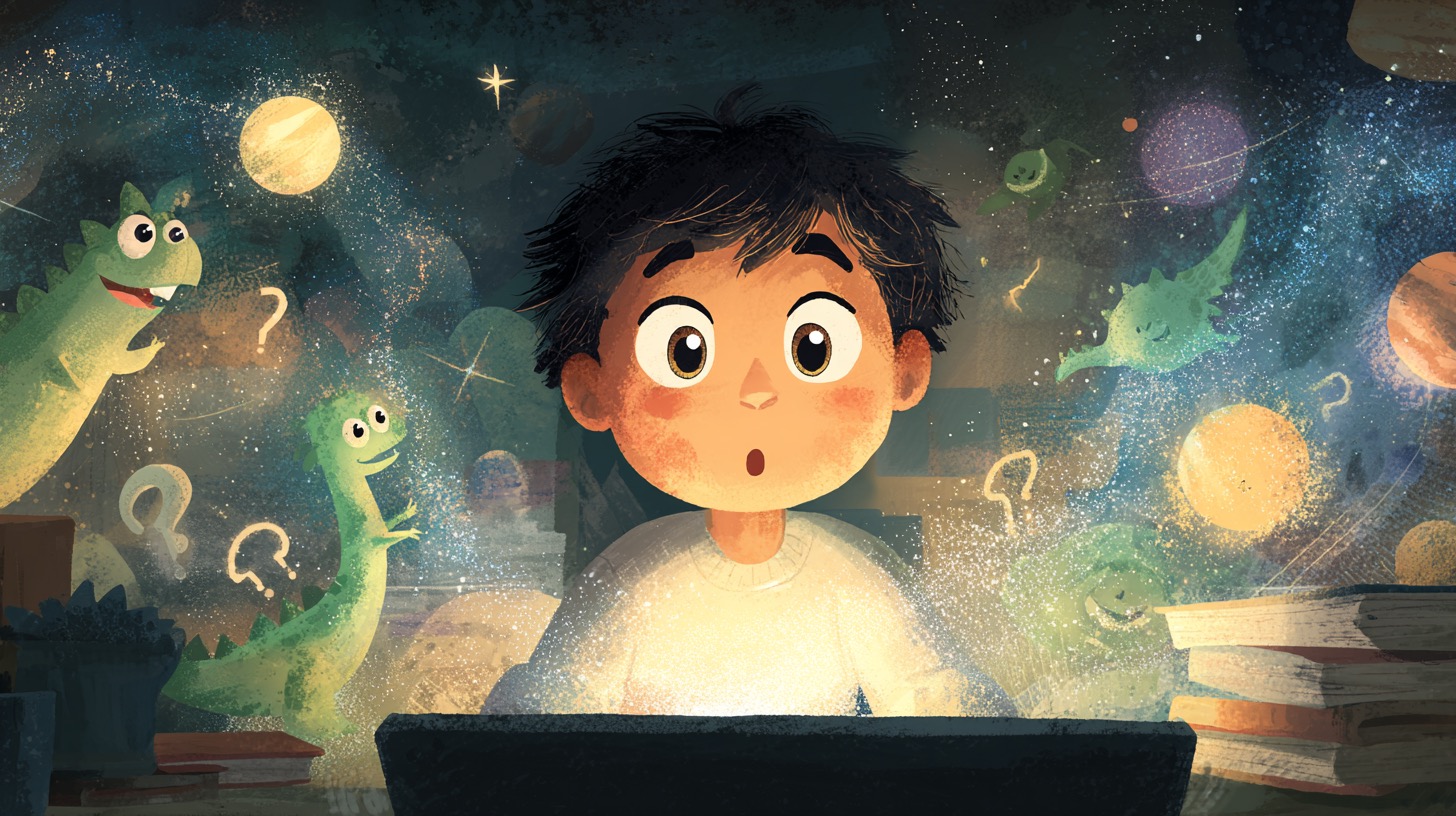
Harvard research shows curiosity operates like 'mise en place' for learning—preparing the mind to absorb and retain new information. Children who practiced asking questions learned more and sought knowledge more actively. Short educational videos (under 6 minutes) achieve near-100% engagement. The best videos are brief, age-appropriate in pacing, interactive, and connect concepts to real-world experiences. Investigaciones de Harvard muestran que la curiosidad funciona como 'mise en place' para el aprendizaje—preparando la mente para absorber y retener información. Los niños que practicaron hacer preguntas aprendieron más y buscaron conocimiento más activamente. Videos educativos cortos (menos de 6 minutos) logran casi 100% de engagement. Los mejores videos son breves, interactivos y conectan conceptos con experiencias reales. 하버드 연구에 따르면 호기심은 학습을 위한 '미장 플라스(mise en place)'처럼 작용하여 새로운 정보를 흡수하고 기억할 준비를 합니다. 질문 연습을 한 아이들은 더 많이 배우고 지식을 더 적극적으로 추구했습니다. 6분 미만의 교육 영상은 거의 100% 시청 참여율을 보입니다. 최고의 영상은 짧고, 연령에 적합하며, 인터랙티브하고, 실생활과 연결됩니다.
Curiosity is one of our most powerful, yet often overlooked, human drives—especially in education. According to research from Harvard Graduate School of Education, curiosity operates like "mise en place" for learning, preparing the mind to absorb, connect, and retain new information. It activates attention, memory, and motivation, setting the stage for deeper understanding. The right educational videos can tap into this innate drive and transform passive watching into active discovery.
The Science of Curiosity and Learning
Associate Professor Elizabeth Bonawitz at Harvard explains that while there's no single definition of curiosity, it's best understood as an internal desire to resolve gaps in our knowledge or a wondering about how the world works.
Groundbreaking research found that children who practiced asking lots of questions over two weeks were more willing to "pay" (give up stickers) to learn new science information than children who were told to pay close attention. These children also learned more content. The effect was particularly strong for children who initially tested with lower verbal readiness scores and lower attentional scores—suggesting that nurturing curiosity can be especially beneficial for children who struggle with traditional learning approaches.
Why Video Can Be Powerful for Learning
Research examining 6.9 million video-watching sessions found that the median engagement time for videos less than 6 minutes long was close to 100%—students tended to watch the whole video. Several meta-analyses confirm that technology, and videos in particular, can enhance learning.
The University of Queensland summarized that educational videos:
- Spark curiosity and encourage flexible thinking
- Can be assessed by students as superior to textbooks
- Show an overall effect of being superior to other learning resources when designed well
However, effective use of video depends on considering cognitive load, student engagement, and active learning principles.
What Makes a Great Educational Video?
Research identifies key principles for maximizing learning from video content:
Keep It Short: The first and most important guideline for maximizing student attention is keeping videos brief. Shorter videos maintain higher engagement rates.
Age-Appropriate Pacing: Content should match children's processing speed—not too fast to cause confusion, not too slow to lose engagement.
Clear, Engaging Visuals: Bright graphics that support (not distract from) learning concepts help children make connections.
Interactive Elements: Questions, pauses, and prompts that invite participation transform passive watching into active learning.
Real-World Connections: Relating concepts to children's daily lives makes learning meaningful and memorable.
Positive, Encouraging Tone: Videos that celebrate curiosity and effort create positive associations with learning.
Topics That Naturally Spark Wonder
Nature and Animals: Children are naturally fascinated by the living world. Videos about animals, plants, and ecosystems tap into innate curiosity about how living things work.
Space and the Universe: Big questions about stars, planets, and "what's out there" inspire awe and wonder that motivates deeper learning.
How Things Work: Understanding everyday objects—from how cars move to why ice melts—builds critical thinking and scientific reasoning.
Different Cultures and People: Learning about how other children live around the world expands empathy and worldview.
Creative Expression: Videos about art, music, and making things encourage children to try new forms of expression.
The Power of Watching Together
Research consistently shows that co-viewing—watching educational content together with your child—dramatically enhances learning outcomes. Here's how to make the most of it:
- Before watching: "What do you already know about this topic? What would you like to learn?"
- During: Pause occasionally to ask "What do you think will happen next?" or "Why do you think that works?"
- After: "What was your favorite part? What surprised you? What questions do you still have?"
- Extend learning: "Where can we learn more about this? Let's try that experiment ourselves!"
These conversations transform video time into rich learning opportunities and strengthen the parent-child bond.
Building a Curiosity Habit
Research shows that promoting students' curiosity could make learning more enjoyable and support motivation for future learning. It also positively influences learning behaviors like question-asking and participation.
Tips for nurturing curiosity through video:
- Let children choose topics that interest them
- Encourage and celebrate questions—even "silly" ones
- Model curiosity yourself ("I wonder why that happens...")
- Follow up video learning with hands-on exploration
- Create a "wonder journal" where children can record questions
A landmark study by Gruber et al. found that curiosity activates the brain's dopamine reward pathways, enhancing memory retention by approximately 30% (Gruber et al., 2014, Neuron). Kang et al. (2009) further demonstrated that when curiosity is aroused, people show enhanced learning and long-term memory retention—even for incidental information they weren't trying to learn.
Suggested Reading
- Learning English Through Kids' Songs — Educational songs that spark curiosity through music
- Managing Screen Time for Kids — Maximize quality screen time with curiosity-driven content
- Why Ad-Free Content Matters for Kids — Uninterrupted viewing for deeper engagement
KidsFunLab's video library is carefully curated to spark curiosity while ensuring safe, quality content. Every video is selected to inspire wonder, encourage questions, and make learning an adventure!
La curiosidad es uno de nuestros impulsos humanos más poderosos, especialmente en la educación. Según investigaciones de Harvard, la curiosidad opera como "mise en place" para el aprendizaje, preparando la mente para absorber, conectar y retener nueva información. Activa la atención, la memoria y la motivación.
La Ciencia de la Curiosidad y el Aprendizaje
La investigación encontró que los niños que practicaron hacer muchas preguntas durante dos semanas estaban más dispuestos a "pagar" (renunciar a stickers) para aprender nueva información científica que los niños a quienes se les dijo que prestaran mucha atención. Estos niños también aprendieron más contenido.
Por Qué el Video Puede Ser Poderoso
Una investigación que examinó 6.9 millones de sesiones de visualización encontró que el tiempo de participación promedio para videos de menos de 6 minutos fue cercano al 100%. Varios meta-análisis confirman que los videos pueden mejorar el aprendizaje.
Los videos educativos:
- Despiertan curiosidad y fomentan el pensamiento flexible
- Los estudiantes los evalúan como superiores a los libros de texto
- Muestran un efecto general de ser superiores a otros recursos de aprendizaje
¿Qué Hace un Gran Video Educativo?
Mantenlo Corto: La primera y más importante guía para maximizar la atención es mantener los videos breves.
Ritmo Apropiado: El contenido debe coincidir con la velocidad de procesamiento de los niños.
Visuales Claros: Gráficos brillantes que apoyan el aprendizaje.
Elementos Interactivos: Preguntas y pausas que invitan a la participación.
Conexiones con el Mundo Real: Relacionar conceptos con la vida diaria de los niños.
Temas que Despiertan Curiosidad
Naturaleza y Animales: Los niños están naturalmente fascinados por el mundo vivo.
Espacio y Universo: Las grandes preguntas sobre estrellas y planetas inspiran asombro.
Cómo Funcionan las Cosas: Entender objetos cotidianos desarrolla el pensamiento crítico.
Diferentes Culturas: Aprender sobre cómo viven otros niños expande la empatía.
El Poder de Ver Juntos
La investigación muestra que ver contenido educativo junto con tu hijo mejora dramáticamente los resultados de aprendizaje:
- Antes de ver: "¿Qué sabes sobre este tema?"
- Durante: "¿Qué crees que pasará después?"
- Después: "¿Cuál fue tu parte favorita? ¿Qué preguntas tienes todavía?"
Construyendo el Hábito de la Curiosidad
La investigación muestra que promover la curiosidad puede hacer el aprendizaje más agradable y apoyar la motivación. Consejos:
- Deja que los niños elijan temas que les interesen
- Anima y celebra las preguntas
- Modela la curiosidad tú mismo
- Complementa con exploración práctica
Un estudio histórico de Gruber et al. encontró que la curiosidad activa las vías de recompensa de dopamina del cerebro, mejorando la retención de memoria en aproximadamente un 30% (Gruber et al., 2014, Neuron). Kang et al. (2009) demostraron que cuando se despierta la curiosidad, las personas muestran un aprendizaje mejorado y mejor retención de memoria a largo plazo.
Lecturas Relacionadas
- Aprender Inglés con Canciones Infantiles
- Cómo Manejar el Tiempo de Pantalla
- Por Qué Importa el Contenido Sin Anuncios
¡La biblioteca de videos de KidsFunLab está cuidadosamente seleccionada para despertar curiosidad mientras asegura contenido seguro y de calidad!
호기심은 교육에서 특히 강력하지만 종종 간과되는 인간의 원동력 중 하나입니다. 하버드 교육대학원 연구에 따르면, 호기심은 학습을 위한 "mise en place(준비)"처럼 작동하여, 새로운 정보를 흡수하고, 연결하고, 유지하도록 마음을 준비시킵니다. 주의력, 기억력, 동기를 활성화하여 더 깊은 이해를 위한 무대를 마련합니다. 올바른 교육 비디오는 이 타고난 원동력을 활용하여 수동적인 시청을 능동적인 발견으로 변화시킬 수 있습니다.
호기심과 학습의 과학
하버드 대학교의 엘리자베스 보나위츠 부교수는 호기심에 대한 단일 정의는 없지만, 우리 지식의 격차를 해결하려는 내적 욕구 또는 세상이 어떻게 작동하는지에 대한 궁금증으로 가장 잘 이해된다고 설명합니다.
획기적인 연구에 따르면 2주 동안 많은 질문을 하는 연습을 한 아이들은 주의를 기울이라고 지시받은 아이들보다 새로운 과학 정보를 배우기 위해 기꺼이 "지불"(스티커를 포기)했습니다. 이 아이들은 또한 더 많은 내용을 배웠습니다. 효과는 처음에 언어 준비도 점수와 주의력 점수가 낮은 아이들에게 특히 강했습니다—이는 호기심을 키우는 것이 전통적인 학습 방식에 어려움을 겪는 아이들에게 특히 유익할 수 있음을 시사합니다.
비디오가 학습에 강력할 수 있는 이유
690만 개의 비디오 시청 세션을 조사한 연구에 따르면 6분 미만 비디오의 중간 참여 시간은 거의 100%에 가까웠습니다—학생들은 전체 비디오를 시청하는 경향이 있었습니다. 여러 메타 분석은 기술, 특히 비디오가 학습을 향상시킬 수 있음을 확인합니다.
퀸즐랜드 대학교는 교육 비디오가 다음과 같다고 요약했습니다:
- 호기심을 자극하고 유연한 사고를 장려
- 학생들이 교과서보다 우수하다고 평가할 수 있음
- 잘 설계되었을 때 다른 학습 자료보다 우수한 전반적인 효과를 보여줌
훌륭한 교육 비디오의 조건
연구는 비디오 콘텐츠에서 학습을 극대화하기 위한 핵심 원칙을 식별합니다:
짧게 유지: 학생의 주의를 극대화하기 위한 첫 번째이자 가장 중요한 지침은 비디오를 짧게 유지하는 것입니다.
연령에 적합한 속도: 콘텐츠는 아이들의 처리 속도에 맞아야 합니다—혼란을 줄 정도로 빠르지도, 참여를 잃을 정도로 느리지도 않게.
명확하고 매력적인 시각 자료: 학습 개념을 지원하는(방해하지 않는) 밝은 그래픽이 아이들이 연결을 만드는 데 도움이 됩니다.
인터랙티브 요소: 참여를 유도하는 질문, 일시 정지, 프롬프트가 수동적 시청을 능동적 학습으로 변환합니다.
실제 세계와의 연결: 개념을 아이들의 일상생활과 연결하면 학습이 의미 있고 기억에 남습니다.
자연스럽게 경이로움을 일으키는 주제
자연과 동물: 아이들은 자연스럽게 생물 세계에 매료됩니다. 동물, 식물, 생태계에 관한 비디오는 생물이 어떻게 작동하는지에 대한 타고난 호기심을 자극합니다.
우주와 행성: 별, 행성, "저 너머에 무엇이 있을까"에 대한 큰 질문은 더 깊은 학습을 동기 부여하는 경외심과 경이로움을 불러일으킵니다.
사물의 작동 원리: 자동차가 어떻게 움직이는지부터 얼음이 왜 녹는지까지 일상의 사물을 이해하는 것은 비판적 사고와 과학적 추론을 구축합니다.
다양한 문화와 사람들: 전 세계 다른 아이들이 어떻게 사는지 배우는 것은 공감과 세계관을 확장합니다.
함께 시청하는 힘
연구는 일관되게 공동 시청—아이와 함께 교육 콘텐츠 시청—이 학습 결과를 극적으로 향상시킨다는 것을 보여줍니다. 최대한 활용하는 방법:
- 시청 전: "이 주제에 대해 이미 알고 있는 게 뭐야? 무엇을 배우고 싶어?"
- 시청 중: 가끔 멈추고 "다음에 무슨 일이 일어날 것 같아?" 또는 "왜 그렇게 작동한다고 생각해?"라고 물어보세요
- 시청 후: "가장 좋아하는 부분이 뭐였어? 무엇이 놀라웠어? 아직 어떤 질문이 있어?"
- 학습 확장: "이것에 대해 더 어디서 배울 수 있을까? 우리도 그 실험을 해보자!"
호기심 습관 만들기
연구에 따르면 학생들의 호기심을 촉진하면 학습이 더 즐거워지고 미래 학습에 대한 동기를 지원할 수 있습니다. 또한 질문하기와 참여와 같은 학습 행동에 긍정적인 영향을 미칩니다.
비디오를 통해 호기심을 키우는 팁:
- 아이들이 관심 있는 주제를 선택하게 하세요
- "바보 같은" 질문도 격려하고 축하하세요
- 직접 호기심을 모델링하세요 ("왜 그런 일이 일어나는지 궁금해...")
- 비디오 학습 후 실습 탐험으로 이어가세요
- 아이들이 질문을 기록할 수 있는 "궁금증 일지"를 만드세요
Gruber 등의 획기적인 연구에 따르면 호기심은 뇌의 도파민 보상 경로를 활성화하여 기억 유지율을 약 30% 향상시킵니다(Gruber et al., 2014, Neuron). Kang 등(2009)은 호기심이 자극되면 학습과 장기 기억 유지가 향상된다는 것을 추가로 입증했습니다—심지어 의도적으로 배우려 하지 않은 부수적 정보에 대해서도 마찬가지입니다.
관련 글 읽기
- 동요로 배우는 영어 — 음악으로 호기심을 자극하는 교육 동요
- 아이의 스크린 타임 관리법 — 호기심 기반 콘텐츠로 양질의 스크린 타임 극대화
- 아이에게 광고 없는 콘텐츠가 중요한 이유 — 깊은 몰입을 위한 중단 없는 시청
KidsFunLab의 비디오 라이브러리는 안전하고 품질 높은 콘텐츠를 보장하면서 호기심을 자극하도록 신중하게 큐레이션됩니다. 모든 비디오는 경이로움을 불러일으키고, 질문을 장려하며, 학습을 모험으로 만들도록 선택됩니다!

Comments Comentarios 댓글
No comments yet. Be the first! Aún no hay comentarios. ¡Sé el primero! 아직 댓글이 없습니다. 첫 번째로 작성해보세요!
Leave a comment Deja un comentario 댓글 남기기