

Tips and insights for parents and kids Consejos e ideas para padres e hijos 부모와 아이를 위한 팁과 인사이트
Best Learning Content for Ages 2-4 El Mejor Contenido de Aprendizaje para Niños de 2-4 Años 2-4세를 위한 최고의 학습 콘텐츠
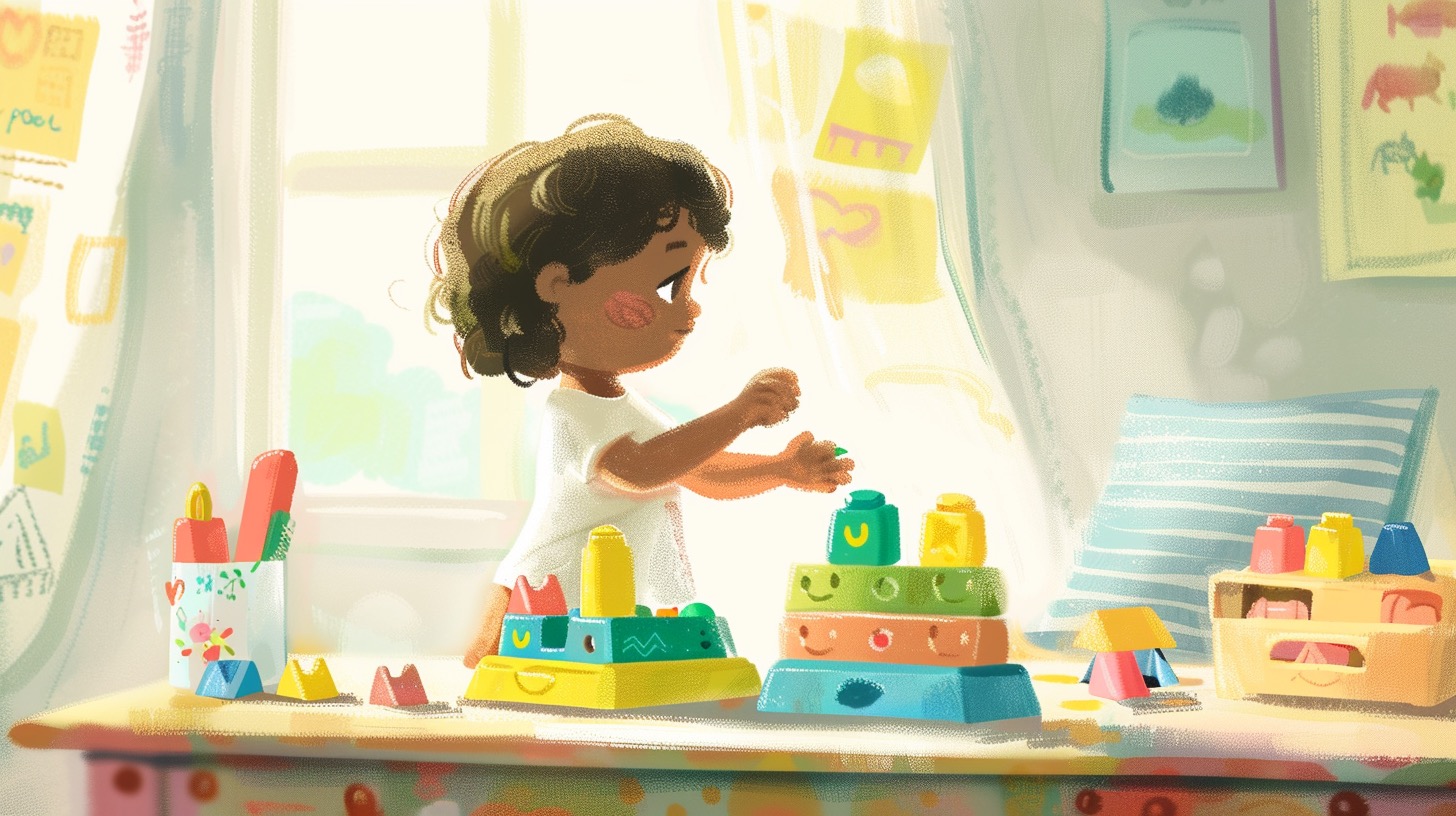
Ages 2-4 represent a critical brain development window when children transition from hands-on manipulation to symbolic thinking and imaginative play. The best learning content includes interactive songs with actions, simple matching and sorting games, sensory play activities, and repetitive stories with colorful pictures—each targeting specific developmental milestones through multisensory experiences. Las edades de 2-4 años representan una ventana crítica de desarrollo cerebral cuando los niños pasan de la manipulación práctica al pensamiento simbólico y juego imaginativo. El mejor contenido incluye canciones interactivas con acciones, juegos de clasificación, actividades sensoriales e historias repetitivas con imágenes coloridas—cada uno enfocado en hitos del desarrollo a través de experiencias multisensoriales. 2-4세는 아이들이 직접 조작에서 상징적 사고와 상상 놀이로 전환하는 뇌 발달의 핵심 시기입니다. 최고의 학습 콘텐츠는 동작이 있는 인터랙티브 노래, 간단한 매칭 및 분류 게임, 감각 놀이 활동, 다채로운 그림이 있는 반복적 이야기로—각각 다감각 경험을 통해 특정 발달 이정표를 목표로 합니다.
The ages of 2-4 are among the most remarkable periods in human brain development. According to research, the brain develops most rapidly before birth and during the first two years of life, making this window critical for learning. During this time, children transition from Piaget's sensorimotor stage to the preoperational stage—where they begin using symbols, language, and imaginative thinking.
Understanding Your Toddler's Brain
At age 2, your child's learning process becomes more thoughtful. According to HealthyChildren.org, toddlers begin to:
- Form mental images for things, actions, and concepts
- Perform "mental trial-and-error" instead of needing to physically manipulate objects
- Understand simple time concepts like "after you finish eating"
- Recognize the purpose of numbers in counting
By ages 3-4—sometimes called the "magic years"—your child's imagination runs wild. Asking "why?" constantly becomes normal, and fantasy play becomes more complex and creative.
Key Developmental Milestones by Age
Age 2-2.5:
- Understands how buttons, levers, and removable parts work
- Completes simple puzzles
- Combines toys in complex ways (e.g., playing pretend with modeling clay)
- Begins understanding future concepts like "soon"
Age 3-4:
- Develops vivid imagination and pretend play
- Strings together activities logically (putting a doll to bed, then covering it)
- Internalizes grammar structures of native language
- Asks "why?" questions constantly (this is healthy!)
Age 4-5:
- Greater independence, self-control, and creativity
- Content to play with toys for longer periods
- Better expresses emotions when frustrated
- Understands time concepts and daily routines
Best Types of Learning Content
Interactive Songs with Actions: Music helps toddlers learn language patterns and vocabulary. Songs with repetition and movement engage multiple areas of the brain simultaneously.
Simple Matching and Sorting Games: Shape sorters and matching games help children understand categories and develop cognitive skills. The CDC recommends helping children learn colors, shapes, and sizes during daily activities.
Sensory Play Activities: Sensory activities stimulate touch, sight, sound, and sometimes smell—laying the foundation for cognitive growth, fine motor skills, and creativity. Examples include finger painting, water play, and playdough.
Story Time with Repetition: Short, repetitive stories with colorful pictures support language development. The CDC recommends reading daily and asking children what they think might happen next.
Fine Motor Activities: Activities like stacking, threading beads, and using playdough build the small muscle movements essential for later skills like holding pencils and buttoning clothes.
Research-Backed Tips for Parents
- Keep sessions short: 10-15 minutes is ideal—even brief daily practice makes a big difference
- Embrace repetition: Toddlers learn through repetition. It's okay to watch the same content multiple times!
- Watch and play together: Your interaction dramatically enhances learning outcomes
- Connect digital to real-world: If your child learns about colors in an app, practice finding colors at the grocery store
- Let your child lead: Children learn best when interested in an activity
- Practice counting and singing: Simple songs like ABCs reinforce learning naturally
The Zero to Three foundation reports that 90% of a child's brain growth occurs before kindergarten (Zero to Three, 2023). Additionally, the NIH notes that by age 2, most children use about 50 words, and by age 3, they typically know over 1,000 words and speak in 3-4 word sentences (NIH, 2023)—highlighting the incredible pace of learning during this period.
Suggested Reading
- Learning English Through Kids' Songs — Music-based learning perfectly suited for ages 2-4
- Fun Educational Play Activities — Hands-on activities to complement digital learning
- Interactive Learning Games for Kids — How game-based learning supports toddler development
- Explore KidsFunLab Songs — Songs designed for toddler learning milestones
KidsFunLab's toddler section is specifically designed with these developmental stages in mind, featuring age-appropriate content that grows with your child!
Las edades de 2 a 4 años son uno de los períodos más notables del desarrollo cerebral humano. Según las investigaciones, el cerebro se desarrolla más rápidamente antes del nacimiento y durante los primeros dos años de vida, lo que hace que esta ventana sea crítica para el aprendizaje.
Entendiendo el Cerebro de Tu Pequeño
A los 2 años, el proceso de aprendizaje de tu hijo se vuelve más reflexivo. Los niños pequeños comienzan a:
- Formar imágenes mentales para cosas, acciones y conceptos
- Realizar "prueba y error mental" en lugar de manipular objetos físicamente
- Entender conceptos de tiempo simples como "después de comer"
- Reconocer el propósito de los números al contar
Entre los 3-4 años—a veces llamados los "años mágicos"—la imaginación de tu hijo se desborda. Preguntar "¿por qué?" constantemente se vuelve normal.
Hitos del Desarrollo por Edad
Edad 2-2.5: Entiende cómo funcionan botones y palancas, completa rompecabezas simples
Edad 3-4: Desarrolla imaginación vívida, encadena actividades lógicamente
Edad 4-5: Mayor independencia, autocontrol y creatividad
Mejores Tipos de Contenido de Aprendizaje
Canciones Interactivas con Acciones: La música ayuda a los niños a aprender patrones de lenguaje. Las canciones con repetición y movimiento involucran múltiples áreas del cerebro.
Juegos de Emparejar y Clasificar: Clasificadores de formas y juegos de emparejamiento ayudan a los niños a entender categorías.
Actividades de Juego Sensorial: Las actividades sensoriales estimulan el tacto, la vista y el sonido—estableciendo la base para el crecimiento cognitivo y las habilidades motoras finas.
Cuentos con Repetición: Historias cortas y repetitivas con imágenes coloridas apoyan el desarrollo del lenguaje.
Consejos Respaldados por la Investigación
- Mantén las sesiones cortas: 10-15 minutos es ideal
- Abraza la repetición: Los niños pequeños aprenden a través de la repetición
- Mira y juega junto con ellos: Tu interacción mejora dramáticamente los resultados
- Conecta lo digital con el mundo real
- Deja que tu hijo lidere: Los niños aprenden mejor cuando están interesados
La fundación Zero to Three reporta que el 90% del crecimiento cerebral de un niño ocurre antes del jardín de infantes (Zero to Three, 2023). Además, el NIH señala que a los 2 años, la mayoría de los niños usan unas 50 palabras, y a los 3 años conocen más de 1,000 palabras y hablan en oraciones de 3-4 palabras (NIH, 2023).
Lecturas Relacionadas
- Aprender Inglés con Canciones Infantiles
- Actividades de Juego Educativo
- Juegos de Aprendizaje Interactivo
- Explora las Canciones de KidsFunLab
¡La sección para niños pequeños de KidsFunLab está diseñada específicamente con estas etapas de desarrollo en mente!
2-4세는 인간의 뇌 발달에서 가장 놀라운 시기 중 하나입니다. 연구에 따르면 뇌는 출생 전과 생후 2년 동안 가장 빠르게 발달하므로, 이 시기는 학습에 매우 중요합니다. 이 시기에 아이들은 피아제의 감각운동기에서 전조작기로 전환되며, 상징, 언어, 상상적 사고를 사용하기 시작합니다.
유아의 뇌 이해하기
2세가 되면 아이의 학습 과정이 더 사려 깊어집니다. HealthyChildren.org에 따르면 유아는 다음을 시작합니다:
- 사물, 행동, 개념에 대한 정신적 이미지 형성
- 물체를 물리적으로 조작하는 대신 "정신적 시행착오" 수행
- "밥 먹고 나서"와 같은 간단한 시간 개념 이해
- 숫자 세기에서 숫자의 목적 인식
3-4세는 때때로 "마법의 시기"라고 불립니다. 아이의 상상력이 폭발하고, "왜?"라고 끊임없이 묻는 것이 정상이 됩니다.
연령별 주요 발달 이정표
2-2.5세:
- 버튼, 레버, 분리 가능한 부품이 어떻게 작동하는지 이해
- 간단한 퍼즐 완성
- 장난감을 복잡한 방식으로 결합 (예: 점토로 역할 놀이)
- "곧"과 같은 미래 개념 이해 시작
3-4세:
- 생생한 상상력과 역할 놀이 발달
- 활동을 논리적으로 연결 (인형을 재우고 덮어주기)
- 모국어의 문법 구조 내면화
- "왜?" 질문을 끊임없이 함 (이것은 건강한 것입니다!)
4-5세:
- 더 큰 독립성, 자기 통제, 창의성
- 더 오랜 시간 장난감을 가지고 노는 것에 만족
- 좌절할 때 감정을 더 잘 표현
- 시간 개념과 일상 루틴 이해
최고의 학습 콘텐츠 유형
동작이 있는 인터랙티브 노래: 음악은 유아가 언어 패턴과 어휘를 배우는 데 도움이 됩니다. 반복과 움직임이 있는 노래는 뇌의 여러 영역을 동시에 활성화합니다.
간단한 매칭 및 분류 게임: 모양 분류기와 매칭 게임은 아이들이 범주를 이해하고 인지 능력을 발달시키는 데 도움이 됩니다. CDC는 일상 활동 중에 아이들이 색깔, 모양, 크기를 배우도록 도울 것을 권장합니다.
감각 놀이 활동: 감각 활동은 촉각, 시각, 청각을 자극하여 인지 성장, 소근육 운동 능력, 창의성의 기초를 마련합니다. 예: 핑거 페인팅, 물놀이, 점토 놀이.
반복이 있는 이야기 시간: 다채로운 그림이 있는 짧고 반복적인 이야기는 언어 발달을 지원합니다. CDC는 매일 책을 읽고 아이에게 다음에 무슨 일이 일어날 것 같은지 물어볼 것을 권장합니다.
소근육 활동: 쌓기, 구슬 꿰기, 점토 사용과 같은 활동은 나중에 연필을 잡고 단추를 채우는 데 필수적인 작은 근육 움직임을 발달시킵니다.
연구 기반 부모 팁
- 세션을 짧게 유지하세요: 10-15분이 이상적—짧은 일일 연습도 큰 차이를 만듭니다
- 반복을 받아들이세요: 유아는 반복을 통해 배웁니다. 같은 콘텐츠를 여러 번 봐도 괜찮습니다!
- 함께 보고 놀아주세요: 부모의 상호작용이 학습 결과를 극적으로 향상시킵니다
- 디지털을 실제 세계와 연결하세요: 아이가 앱에서 색깔을 배우면, 마트에서 색깔 찾기를 연습하세요
- 아이가 이끌게 하세요: 아이들은 활동에 관심이 있을 때 가장 잘 배웁니다
- 숫자 세기와 노래를 연습하세요: ABC와 같은 간단한 노래는 자연스럽게 학습을 강화합니다
Zero to Three 재단에 따르면 아이 뇌 성장의 90%가 유치원 입학 전에 이루어집니다(Zero to Three, 2023). 또한 미국 국립보건원(NIH)은 2세에 대부분의 아이가 약 50단어를 사용하고, 3세에는 1,000단어 이상을 알며 3-4단어 문장으로 말한다고 합니다(NIH, 2023).
관련 글 읽기
- 동요로 배우는 영어 — 2-4세에 딱 맞는 음악 기반 학습
- 재미있는 교육적 놀이 활동 — 디지털 학습을 보완하는 체험 활동
- 인터랙티브 학습 게임 — 게임 기반 학습이 유아 발달을 지원하는 방법
- KidsFunLab 동요 둘러보기 — 유아 학습 이정표에 맞춘 노래
KidsFunLab의 유아 섹션은 이러한 발달 단계를 염두에 두고 특별히 설계되어, 아이와 함께 성장하는 연령에 적합한 콘텐츠를 제공합니다!

Comments Comentarios 댓글
No comments yet. Be the first! Aún no hay comentarios. ¡Sé el primero! 아직 댓글이 없습니다. 첫 번째로 작성해보세요!
Leave a comment Deja un comentario 댓글 남기기