

Tips and insights for parents and kids Consejos e ideas para padres e hijos 부모와 아이를 위한 팁과 인사이트
Learning English Through Kids Songs Aprendiendo Inglés a Través de Canciones Infantiles 영어 동요로 배우는 영어
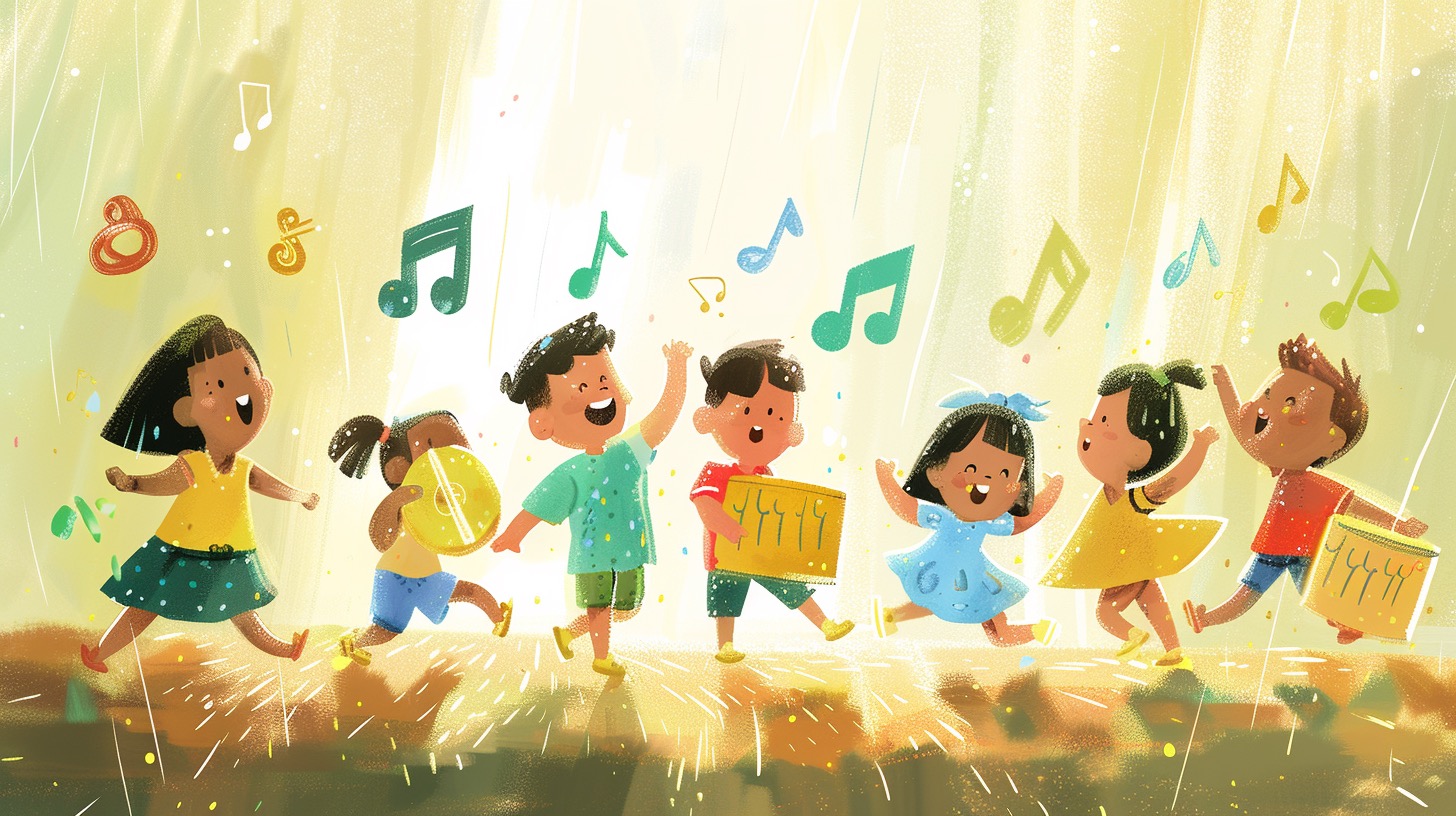
Cambridge University research reveals that babies learn language from rhythmic information—not phonetic information—in their first months, making songs a uniquely powerful language learning tool. Nursery rhymes build vocabulary, phonological awareness, and grammar through rhythm and repetition. For maximum impact, sing along actively, add movements, and pause to let children fill in words. Investigaciones de la Universidad de Cambridge revelan que los bebés aprenden el lenguaje a partir de información rítmica—no fonética—en sus primeros meses, haciendo de las canciones una herramienta poderosa. Las rimas infantiles desarrollan vocabulario, conciencia fonológica y gramática mediante ritmo y repetición. Para máximo impacto, cante activamente, agregue movimientos y pause para que los niños completen las palabras. 케임브리지 대학 연구에 따르면 아기는 생후 첫 달에 음소가 아닌 리듬 정보로 언어를 배우며, 이는 노래가 특히 강력한 언어 학습 도구임을 보여줍니다. 동요는 리듬과 반복을 통해 어휘, 음운 인식, 문법을 키워줍니다. 최대 효과를 위해 함께 노래하고, 동작을 추가하며, 아이가 가사를 채우도록 멈춰보세요.
Groundbreaking research from the University of Cambridge has revealed something fascinating: babies learn languages from rhythmic information, not phonetic information, in their first months. This is why nursery rhymes and songs are so powerful for language development. Music is truly one of the few activities that involves using the whole brain.
The Science Behind Music and Language Learning
Research has provided compelling evidence for the connection between music and language:
- Brain development: Neuroimaging studies show that musical training leads to more developed auditory and language-related brain regions
- Vocabulary prediction: Studies found that neonates' brain responses to sung streams predicted their expressive vocabulary at 18 months
- Memory enhancement: Setting words to music actually helps the brain learn them more quickly and retain them longer
- Phonological awareness: There's a strong link between children's early exposure to nursery rhymes and their reading skills later in childhood
Why Songs Are So Effective
Rhythm and Repetition: The melodic and rhythmic nature of songs helps with memory retention, allowing children to remember and use new words more effectively. Patterns in songs are easier for young minds to follow.
Multi-sensory Engagement: Music engages multiple areas of the brain, including those responsible for processing language. When combined with movement, learning becomes even more powerful.
Emotional Connection: Happy, engaging songs create positive learning associations. Children who enjoy learning want to continue learning—it's that simple!
Grammar Development: Research shows that between ages 3 and 4, children internalize the structures of grammar partly through exposure to patterned language in songs and rhymes. Nursery rhymes introduce children to how words come together to form sentences.
Best Types of Songs for Language Learning
Action Songs: "Head, Shoulders, Knees and Toes" teaches body parts while moving. Action songs keep toddlers fully engaged by using all their senses.
Counting Songs: "Five Little Ducks" and "Five Little Monkeys" make numbers fun and memorable while building early math concepts.
Alphabet and Phonics Songs: Classic ABC songs build letter recognition. Songs that emphasize letter sounds support phonological awareness—a crucial skill for learning to read.
Vocabulary Songs: "Old MacDonald Had a Farm" teaches animal names, "The Wheels on the Bus" teaches transportation and sounds. Musical nursery rhymes introduce rich and diverse vocabulary with playful, imaginative language.
Story Songs: Songs that tell stories develop narrative understanding and sequencing skills.
Tips for Maximum Language Learning Impact
- Sing along actively: Actually getting involved with your kids—not just having music playing in the background—helps them learn faster. Your participation unlocks the full power of music for language learning.
- Add movements and gestures: Toddlers learn using all their senses. Songs with associated actions help children learn to react to cues while building body awareness.
- Embrace repetition: Listen to the same songs repeatedly! Repetition encourages the formation of long-term memories. Children need to hear songs many times before fully absorbing them.
- Pause and let them fill in: As children become familiar with songs, pause before certain words and let them complete the phrase. This active participation strengthens recall.
- Choose songs with rhyming words: Rhymes help students memorize vocabulary more easily and build phonological awareness.
- Talk about the songs: After singing, discuss what the song was about. This extends language learning beyond the music itself.
For Bilingual Families: Special Benefits
Music is especially powerful for bilingual or multilingual children. Even if most words are unfamiliar at first, mimicking words in songs helps children practice producing sounds in a new language. Eventually, sounds give way to actual understanding through repetition.
For children who know a song in one language, it will be easier to understand the meaning when they hear it in another. Most children's songs are simple with rhyming words that are easy to remember—perfect for learning any language!
Daily Integration Tips
Music should be part of your daily or weekly language learning routine:
- Sing songs during daily routines (bath time, getting dressed, cleanup)
- Have a "song of the week" to focus on
- Create a playlist of educational songs in your target language
- Use songs to teach specific concepts (colors, numbers, weather)
A University of Edinburgh study found that adults who sang words in an unfamiliar language were able to recall them significantly better than those who simply spoke them (University of Edinburgh, 2013). Additionally, Dr. Patricia Kuhl at the University of Washington demonstrated that musical training enhances phonological awareness by approximately 30% in young children (Kuhl, 2011)—making songs an essential tool for early language learning.
Suggested Reading
- Fun Educational Play Activities — Combine music activities with hands-on learning
- Best Learning Content for Ages 2-4 — Age-appropriate songs and activities for toddlers
- Explore KidsFunLab Songs — Listen to our full collection of educational songs
KidsFunLab features a wonderful collection of educational songs in English, Spanish, and Korean—all carefully selected to support language development while being fun to sing!
Una investigación revolucionaria de la Universidad de Cambridge ha revelado algo fascinante: los bebés aprenden idiomas a partir de información rítmica, no fonética, en sus primeros meses. Por eso las canciones infantiles son tan poderosas para el desarrollo del lenguaje. La música es verdaderamente una de las pocas actividades que involucra todo el cerebro.
La Ciencia Detrás de la Música y el Aprendizaje de Idiomas
La investigación ha proporcionado evidencia convincente de la conexión entre música y lenguaje:
- Desarrollo cerebral: Los estudios de neuroimagen muestran que el entrenamiento musical desarrolla más las regiones cerebrales relacionadas con el lenguaje
- Predicción de vocabulario: Las respuestas cerebrales de los recién nacidos a melodías cantadas predijeron su vocabulario expresivo a los 18 meses
- Mejora de memoria: Poner palabras en música ayuda al cerebro a aprenderlas más rápido y retenerlas más tiempo
- Conciencia fonológica: Hay una fuerte conexión entre la exposición temprana a canciones infantiles y las habilidades de lectura posteriores
Por Qué las Canciones Son Tan Efectivas
Ritmo y Repetición: La naturaleza melódica y rítmica ayuda con la retención de memoria, permitiendo a los niños recordar y usar nuevas palabras más efectivamente.
Compromiso Multi-sensorial: La música involucra múltiples áreas del cerebro. Cuando se combina con movimiento, el aprendizaje se vuelve aún más poderoso.
Desarrollo Gramatical: La investigación muestra que entre los 3 y 4 años, los niños internalizan las estructuras gramaticales parcialmente a través de la exposición a patrones en canciones.
Mejores Tipos de Canciones
Canciones con Acciones: "Cabeza, Hombros, Rodillas y Pies" enseña partes del cuerpo mientras se mueven.
Canciones de Contar: Hacen los números divertidos y memorables.
Canciones del Alfabeto: Construyen el reconocimiento de letras.
Canciones de Vocabulario: "En la Granja de mi Tío" enseña nombres de animales.
Consejos para Máximo Impacto
- Canta activamente: Involucrarte activamente—no solo tener música de fondo—ayuda a los niños a aprender más rápido
- Añade movimientos: Los niños pequeños aprenden usando todos sus sentidos
- Abraza la repetición: ¡Escucha las mismas canciones repetidamente! La repetición forma memorias a largo plazo
- Haz pausas: Cuando los niños conozcan las canciones, pausa antes de ciertas palabras para que las completen
Para Familias Bilingües
La música es especialmente poderosa para niños bilingües. Incluso si la mayoría de las palabras son desconocidas al principio, imitar palabras en canciones ayuda a practicar la producción de sonidos en un nuevo idioma.
Un estudio de la Universidad de Edimburgo encontró que los adultos que cantaron palabras en un idioma desconocido pudieron recordarlas significativamente mejor que quienes simplemente las hablaron (Universidad de Edimburgo, 2013). Además, la Dra. Patricia Kuhl de la Universidad de Washington demostró que el entrenamiento musical mejora la conciencia fonológica en aproximadamente un 30% en niños pequeños (Kuhl, 2011).
Lecturas Relacionadas
- Actividades de Juego Educativo
- Contenido de Aprendizaje para 2-4 Años
- Explora las Canciones de KidsFunLab
¡KidsFunLab presenta una maravillosa colección de canciones educativas en inglés, español y coreano!
케임브리지 대학의 획기적인 연구에 따르면 놀라운 사실이 밝혀졌습니다: 아기들은 생후 첫 몇 개월 동안 음소 정보가 아닌 리듬 정보로 언어를 배웁니다. 이것이 동요와 노래가 언어 발달에 그토록 강력한 이유입니다. 음악은 진정으로 뇌 전체를 사용하는 몇 안 되는 활동 중 하나입니다.
음악과 언어 학습의 과학
연구는 음악과 언어 사이의 연결에 대한 설득력 있는 증거를 제공했습니다:
- 뇌 발달: 신경영상 연구에 따르면 음악 훈련은 청각 및 언어 관련 뇌 영역을 더 발달시킵니다
- 어휘 예측: 연구에 따르면 신생아의 노래에 대한 뇌 반응이 18개월 때의 표현 어휘를 예측했습니다
- 기억력 향상: 단어를 음악에 맞추면 실제로 뇌가 더 빨리 배우고 더 오래 기억하는 데 도움이 됩니다
- 음운 인식: 아이들의 동요에 대한 초기 노출과 이후 아동기의 읽기 능력 사이에 강한 연결이 있습니다
노래가 효과적인 이유
리듬과 반복: 노래의 멜로디적이고 리듬적인 특성은 기억 유지에 도움이 되어, 아이들이 새로운 단어를 더 효과적으로 기억하고 사용할 수 있게 합니다. 노래의 패턴은 어린 마음이 따라가기 쉽습니다.
다감각 참여: 음악은 언어 처리를 담당하는 영역을 포함하여 뇌의 여러 영역을 활성화합니다. 움직임과 결합하면 학습이 더욱 강력해집니다.
감정적 연결: 즐겁고 참여적인 노래는 긍정적인 학습 연상을 만듭니다. 학습을 즐기는 아이들은 계속 배우고 싶어합니다—그만큼 간단합니다!
문법 발달: 연구에 따르면 3-4세 사이에 아이들은 부분적으로 노래와 동요의 패턴화된 언어에 대한 노출을 통해 문법 구조를 내면화합니다. 동요는 아이들에게 단어가 어떻게 문장을 형성하는지 소개합니다.
언어 학습에 가장 좋은 노래 유형
동작 노래: "머리 어깨 무릎 발"은 움직이면서 신체 부위를 가르칩니다. 동작 노래는 모든 감각을 사용하여 유아를 완전히 참여시킵니다.
숫자 노래: "다섯 마리 아기 오리"와 같은 노래는 숫자를 재미있고 기억에 남게 만들면서 초기 수학 개념을 구축합니다.
알파벳과 파닉스 노래: 클래식 ABC 노래는 글자 인식을 구축합니다. 글자 소리를 강조하는 노래는 읽기를 배우는 데 중요한 기술인 음운 인식을 지원합니다.
어휘 노래: "맥도날드 할아버지 농장에"는 동물 이름을 가르치고, "바퀴가 굴러가요"는 교통수단과 소리를 가르칩니다. 음악적 동요는 장난스럽고 상상력이 풍부한 언어로 풍부하고 다양한 어휘를 소개합니다.
이야기 노래: 이야기를 들려주는 노래는 서사 이해와 순서 기술을 발달시킵니다.
최대 언어 학습 효과를 위한 팁
- 적극적으로 함께 노래하세요: 아이들과 실제로 함께하는 것이—배경에서 음악을 틀어놓는 것이 아니라—더 빨리 배우는 데 도움이 됩니다. 부모의 참여가 언어 학습을 위한 음악의 전체적인 힘을 발휘하게 합니다.
- 동작과 제스처를 추가하세요: 유아는 모든 감각을 사용하여 배웁니다. 동작이 연결된 노래는 아이들이 신호에 반응하는 법을 배우면서 신체 인식을 구축합니다.
- 반복을 받아들이세요: 같은 노래를 반복해서 들으세요! 반복은 장기 기억 형성을 촉진합니다. 아이들은 완전히 흡수하기 전에 노래를 여러 번 들어야 합니다.
- 멈추고 아이가 채우게 하세요: 아이들이 노래에 익숙해지면, 특정 단어 전에 멈추고 문구를 완성하게 하세요. 이 적극적인 참여가 기억력을 강화합니다.
- 운율이 있는 노래를 선택하세요: 운율은 학생들이 어휘를 더 쉽게 암기하고 음운 인식을 구축하는 데 도움이 됩니다.
- 노래에 대해 이야기하세요: 노래 후에 노래가 무엇에 관한 것인지 토론하세요. 이것은 음악 자체를 넘어 언어 학습을 확장합니다.
이중 언어 가정을 위한 특별한 이점
음악은 이중 언어 또는 다중 언어 아이들에게 특히 강력합니다. 처음에 대부분의 단어가 익숙하지 않더라도, 노래의 단어를 따라하는 것은 아이들이 새로운 언어로 소리를 생성하는 연습을 하는 데 도움이 됩니다. 결국 반복을 통해 소리가 실제 이해로 이어집니다.
한 언어로 노래를 아는 아이들에게는 다른 언어로 들을 때 의미를 이해하기가 더 쉽습니다. 대부분의 동요는 기억하기 쉬운 운율 단어로 간단합니다—어떤 언어를 배우든 완벽합니다!
일상 통합 팁
음악은 일일 또는 주간 언어 학습 루틴의 일부가 되어야 합니다:
- 일상 루틴 중에 노래하세요 (목욕 시간, 옷 입기, 정리)
- 집중할 "이번 주의 노래"를 정하세요
- 목표 언어로 된 교육 노래 플레이리스트를 만드세요
- 특정 개념을 가르치기 위해 노래를 사용하세요 (색깔, 숫자, 날씨)
에든버러 대학 연구에 따르면 낯선 언어의 단어를 노래로 부른 사람들이 단순히 말한 사람들보다 훨씬 더 잘 기억했습니다(에든버러 대학, 2013). 또한 워싱턴 대학의 Patricia Kuhl 박사는 음악 훈련이 어린 아이들의 음운 인식을 약 30% 향상시킨다는 것을 입증했습니다(Kuhl, 2011)—노래가 초기 언어 학습에 필수적인 도구인 이유입니다.
관련 글 읽기
- 재미있는 교육적 놀이 활동 — 음악 활동과 체험 학습의 결합
- 2-4세를 위한 최적의 학습 콘텐츠 — 유아에게 적합한 노래와 활동
- KidsFunLab 동요 둘러보기 — 교육 동요 전체 컬렉션 감상
KidsFunLab은 영어, 스페인어, 한국어로 된 훌륭한 교육 노래 컬렉션을 제공합니다—모두 재미있게 부르면서 언어 발달을 지원하도록 신중하게 선별되었습니다!

Comments Comentarios 댓글
No comments yet. Be the first! Aún no hay comentarios. ¡Sé el primero! 아직 댓글이 없습니다. 첫 번째로 작성해보세요!
Leave a comment Deja un comentario 댓글 남기기