

Tips and insights for parents and kids Consejos e ideas para padres e hijos 부모와 아이를 위한 팁과 인사이트
Managing Screen Time for Healthy Kids Administrando el Tiempo de Pantalla para Niños Saludables 어린이 스크린 타임 건강하게 관리하기
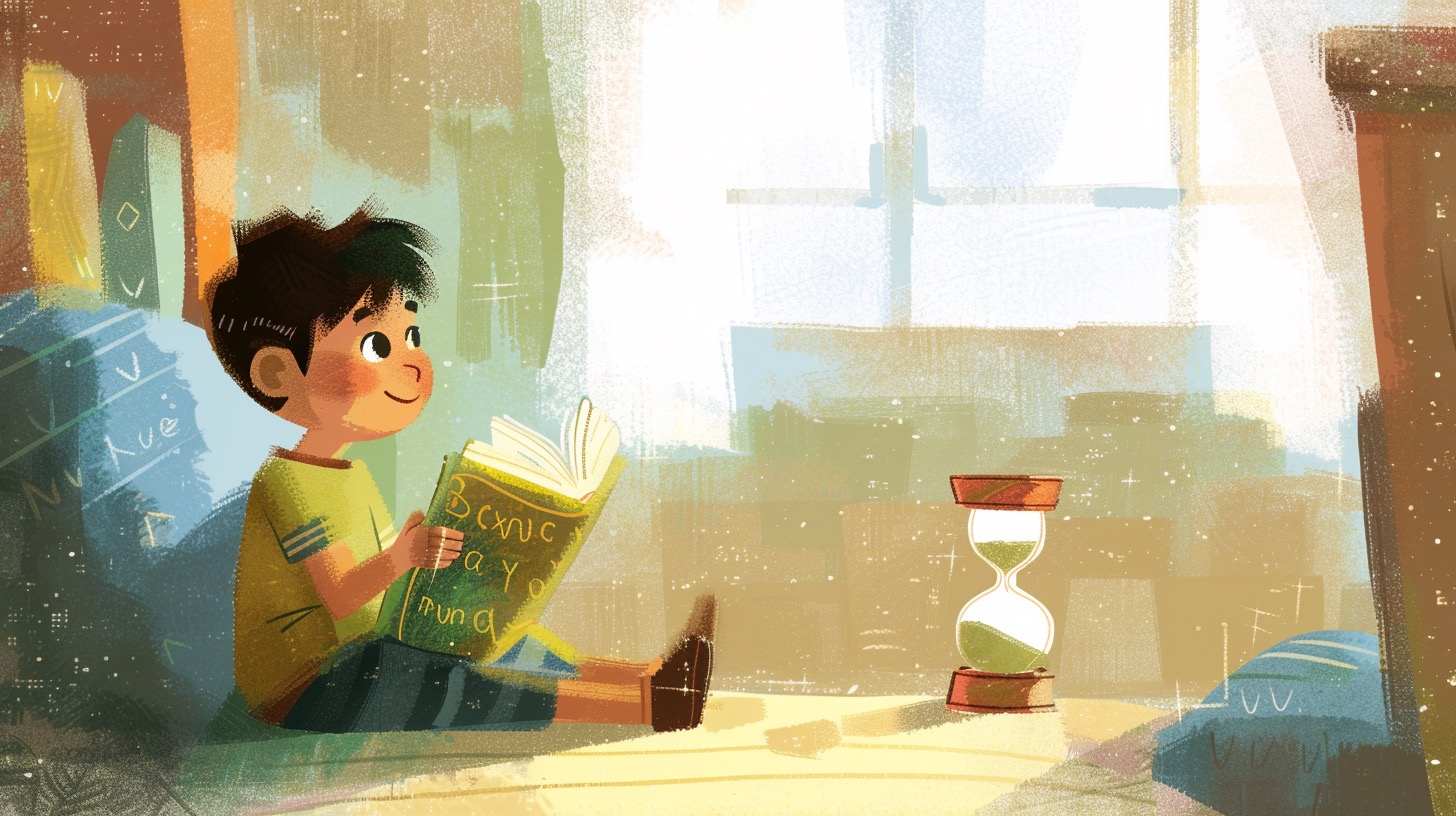
The AAP emphasizes quality over quantity for children's screen time. Use their '5 C's' framework—Child, Content, Calm, Crowding Out, Communication—to guide decisions. Key limits: no screens under 18 months (except video calls), 1 hour/day for ages 2-5, and consistent limits for 6+. Interactive educational content is far better than passive watching. La AAP enfatiza la calidad sobre la cantidad en el tiempo de pantalla infantil. Use su marco de las '5 C'—Niño, Contenido, Calma, Desplazamiento, Comunicación—para guiar decisiones. Límites clave: sin pantallas menores de 18 meses (excepto videollamadas), 1 hora/día para 2-5 años. El contenido educativo interactivo es mucho mejor que la visualización pasiva. 미국소아과학회(AAP)는 아이의 스크린 타임에서 양보다 질을 강조합니다. '5C' 프레임워크—아이, 콘텐츠, 진정, 대체, 소통—를 활용하세요. 핵심 기준: 18개월 미만은 화상통화만, 2-5세는 하루 1시간, 6세 이상은 일관된 제한. 수동적 시청보다 교육적 인터랙티브 콘텐츠가 훨씬 효과적입니다.
Managing screen time is one of the most common concerns parents face today. The good news? The American Academy of Pediatrics (AAP) now emphasizes quality over quantity—it's not just about how much, but what and how your child engages with screens.
What Does the Research Say?
Recent studies reveal important findings about screen time and child development:
- A study of nearly 12,000 children found that excessive screen time is linked to poorer sleep quality, more behavioral problems, and lower academic performance
- Research shows that each 1-hour increase in screen time reduces sleep by approximately 10 minutes in young children
- Children with lower screen time have better sleep efficiency (90% vs 75%) and fewer nighttime awakenings
However, the research also shows that the type of content matters enormously. Interactive, educational content engages children actively, while passive video watching provides fewer benefits.
AAP's "5 C's" Framework
The AAP recommends considering these five factors:
- Child: Consider your child's age, developmental stage, and individual needs
- Content: Choose high-quality, educational, age-appropriate content
- Calm: Avoid using screens as the only way to calm your child
- Crowding Out: Ensure screen time doesn't replace sleep, physical activity, or family time
- Communication: Watch together when possible and discuss what they're seeing
Age-Specific Guidelines
- Under 18 months: Limit to video chatting only
- 18-24 months: If introducing media, choose high-quality programs and watch together
- 2-5 years: Limit to 1 hour per day of high-quality programming
- 6+ years: Set consistent limits; ensure screens don't interfere with sleep and physical activity
Practical Tips That Work
Create screen-free zones and times:
- No screens during meals—use this time for family conversation
- No screens in bedrooms—research shows screens should be turned off at least 1 hour before bed
- No screens during homework time (unless needed for the assignment)
Be a role model: A Pew Research Center survey found that 94-95% of parents talk with their teens about appropriate online behavior. But children learn more from what we do than what we say—model the screen habits you want to see.
Use built-in tools: Set up parental controls, time limits, and content filters. Many educational apps like KidsFunLab include these features to help parents manage usage.
Signs of Healthy Screen Habits
- Your child can stop using screens without major meltdowns
- Screen time doesn't interfere with sleep, meals, or physical activity
- Your child enjoys a variety of activities, both online and offline
- You know what content your child is consuming
A 2024 Common Sense Media report found that children ages 8-12 now spend an average of 5 hours and 33 minutes per day on screen media, while teens average nearly 9 hours (Common Sense Media, 2024). The World Health Organization also recommends that children under 5 should have no more than 1 hour of sedentary screen time per day (WHO, 2019), highlighting the importance of age-appropriate limits.
Suggested Reading
- Why Ad-Free Content Matters for Kids — How advertising affects young minds during screen time
- Getting Started with KidsFunLab — Set up parental controls and safe screen time
- Educational Videos That Spark Curiosity — Make screen time count with quality content
Remember, the goal isn't to eliminate screens—they can be valuable learning tools. The goal is to ensure screens are one part of a balanced, healthy lifestyle that includes plenty of physical activity, face-to-face interaction, and quality sleep.
Administrar el tiempo de pantalla es una de las preocupaciones más comunes de los padres hoy en día. ¿La buena noticia? La Academia Americana de Pediatría (AAP) ahora enfatiza la calidad sobre la cantidad—no se trata solo de cuánto tiempo, sino de qué y cómo tu hijo interactúa con las pantallas.
¿Qué Dice la Investigación?
Estudios recientes revelan hallazgos importantes:
- Un estudio de casi 12,000 niños encontró que el tiempo excesivo de pantalla está relacionado con peor calidad de sueño y más problemas de comportamiento
- Cada hora adicional de tiempo de pantalla reduce el sueño aproximadamente 10 minutos en niños pequeños
- Los niños con menor tiempo de pantalla tienen mejor eficiencia de sueño (90% vs 75%)
El Marco de las "5 C's" de la AAP
- Child (Niño): Considera la edad y necesidades individuales de tu hijo
- Content (Contenido): Elige contenido educativo y apropiado para su edad
- Calm (Calma): Evita usar pantallas como única forma de calmar a tu hijo
- Crowding Out (Desplazamiento): Asegura que las pantallas no reemplacen el sueño o la actividad física
- Communication (Comunicación): Mira junto a ellos cuando sea posible
Guías por Edad
- Menores de 18 meses: Solo videollamadas
- 18-24 meses: Programas de alta calidad, viendo juntos
- 2-5 años: Límite de 1 hora diaria de programación de calidad
- 6+ años: Establecer límites consistentes
Consejos Prácticos
Crea zonas y tiempos sin pantallas:
- Sin pantallas durante las comidas
- Sin pantallas en dormitorios—deben apagarse al menos 1 hora antes de dormir
- Sin pantallas durante las tareas escolares
Sé un modelo a seguir: Los niños aprenden más de lo que hacemos que de lo que decimos.
Usa herramientas integradas: Configura controles parentales y límites de tiempo. Muchas aplicaciones educativas como KidsFunLab incluyen estas funciones.
Un informe de Common Sense Media de 2024 encontró que los niños de 8 a 12 años pasan un promedio de 5 horas y 33 minutos al día frente a pantallas, mientras que los adolescentes promedian casi 9 horas (Common Sense Media, 2024). La Organización Mundial de la Salud recomienda que los niños menores de 5 años no deben tener más de 1 hora de tiempo sedentario frente a pantallas (OMS, 2019).
Lecturas Relacionadas
- Por Qué Importa el Contenido Sin Anuncios
- Comenzando con KidsFunLab
- Videos Educativos Que Despiertan la Curiosidad
Recuerda, el objetivo no es eliminar las pantallas—pueden ser herramientas de aprendizaje valiosas. El objetivo es asegurar que sean parte de un estilo de vida equilibrado y saludable.
스크린 타임 관리는 오늘날 부모들이 가장 많이 걱정하는 문제 중 하나입니다. 좋은 소식이 있습니다. 미국소아과학회(AAP)는 이제 양보다 질을 강조합니다—얼마나 오래가 아니라, 무엇을 어떻게 보느냐가 중요합니다.
연구 결과는 무엇을 말하나요?
최근 연구들은 중요한 발견을 보여줍니다:
- 약 12,000명의 어린이를 대상으로 한 연구에서 과도한 스크린 타임이 수면의 질 저하, 행동 문제 증가, 학업 성취도 저하와 연관됨을 발견
- 스크린 타임이 1시간 증가할 때마다 어린 아이들의 수면 시간이 약 10분 감소
- 스크린 타임이 적은 아이들이 수면 효율이 더 높음 (90% vs 75%), 야간 각성 횟수도 적음
하지만 연구는 또한 콘텐츠 유형이 매우 중요하다는 것을 보여줍니다. 인터랙티브하고 교육적인 콘텐츠는 아이들을 적극적으로 참여시키는 반면, 수동적인 비디오 시청은 이점이 적습니다.
AAP의 "5 C's" 프레임워크
AAP는 다음 다섯 가지 요소를 고려할 것을 권장합니다:
- Child (아이): 아이의 나이, 발달 단계, 개인적 필요를 고려하세요
- Content (콘텐츠): 고품질의 교육적이고 연령에 적합한 콘텐츠를 선택하세요
- Calm (진정): 스크린을 아이를 진정시키는 유일한 방법으로 사용하지 마세요
- Crowding Out (대체): 스크린 타임이 수면, 신체 활동, 가족 시간을 대체하지 않도록 하세요
- Communication (소통): 가능하면 함께 시청하고 내용에 대해 이야기하세요
연령별 가이드라인
- 18개월 미만: 화상 통화만 허용
- 18-24개월: 미디어를 도입한다면 고품질 프로그램을 선택하고 함께 시청
- 2-5세: 하루 1시간의 고품질 프로그램으로 제한
- 6세 이상: 일관된 제한 설정; 스크린이 수면과 신체 활동을 방해하지 않도록
효과적인 실천 팁
스크린 프리 구역과 시간 만들기:
- 식사 중 스크린 금지—이 시간을 가족 대화에 사용하세요
- 침실에 스크린 금지—연구에 따르면 취침 최소 1시간 전에 스크린을 꺼야 합니다
- 숙제 시간에 스크린 금지 (과제에 필요한 경우 제외)
롤모델이 되세요: 퓨 리서치 센터 조사에 따르면 94-95%의 부모가 자녀와 적절한 온라인 행동에 대해 이야기합니다. 하지만 아이들은 우리가 말하는 것보다 행동하는 것에서 더 많이 배웁니다—보여주고 싶은 스크린 습관을 모델링하세요.
내장 도구 활용: 자녀 보호 기능, 시간 제한, 콘텐츠 필터를 설정하세요. KidsFunLab과 같은 많은 교육용 앱에는 부모가 사용을 관리할 수 있는 이러한 기능이 포함되어 있습니다.
건강한 스크린 습관의 신호
- 아이가 큰 떼 없이 스크린 사용을 중단할 수 있음
- 스크린 타임이 수면, 식사, 신체 활동을 방해하지 않음
- 아이가 온라인과 오프라인 모두 다양한 활동을 즐김
- 부모가 아이가 소비하는 콘텐츠를 알고 있음
2024년 Common Sense Media 보고서에 따르면 8-12세 아이들은 하루 평균 5시간 33분을 스크린 미디어에 사용하며, 10대는 거의 9시간에 달합니다(Common Sense Media, 2024). 세계보건기구(WHO)도 5세 미만 어린이의 경우 하루 1시간 이상의 좌식 스크린 타임을 권장하지 않습니다(WHO, 2019).
관련 글 읽기
- 아이에게 광고 없는 콘텐츠가 중요한 이유 — 스크린 타임 중 광고가 아이에게 미치는 영향
- KidsFunLab 시작 가이드 — 자녀 보호 기능 설정과 안전한 스크린 타임
- 호기심을 자극하는 교육 영상 — 양질의 콘텐츠로 스크린 타임을 가치있게
목표는 스크린을 없애는 것이 아닙니다—스크린은 가치 있는 학습 도구가 될 수 있습니다. 목표는 스크린이 충분한 신체 활동, 대면 상호작용, 양질의 수면을 포함하는 균형 잡히고 건강한 생활의 일부가 되도록 하는 것입니다.

Comments Comentarios 댓글
No comments yet. Be the first! Aún no hay comentarios. ¡Sé el primero! 아직 댓글이 없습니다. 첫 번째로 작성해보세요!
Leave a comment Deja un comentario 댓글 남기기