

Tips and insights for parents and kids Consejos e ideas para padres e hijos 부모와 아이를 위한 팁과 인사이트
Summer Learning Activities: 12 Fun Ways to Prevent the Summer Slide Actividades de Aprendizaje en Verano: 12 Formas Divertidas de Prevenir el Retroceso Escolar 여름방학 학습 슬럼프 방지: 재미있게 배우는 12가지 활동
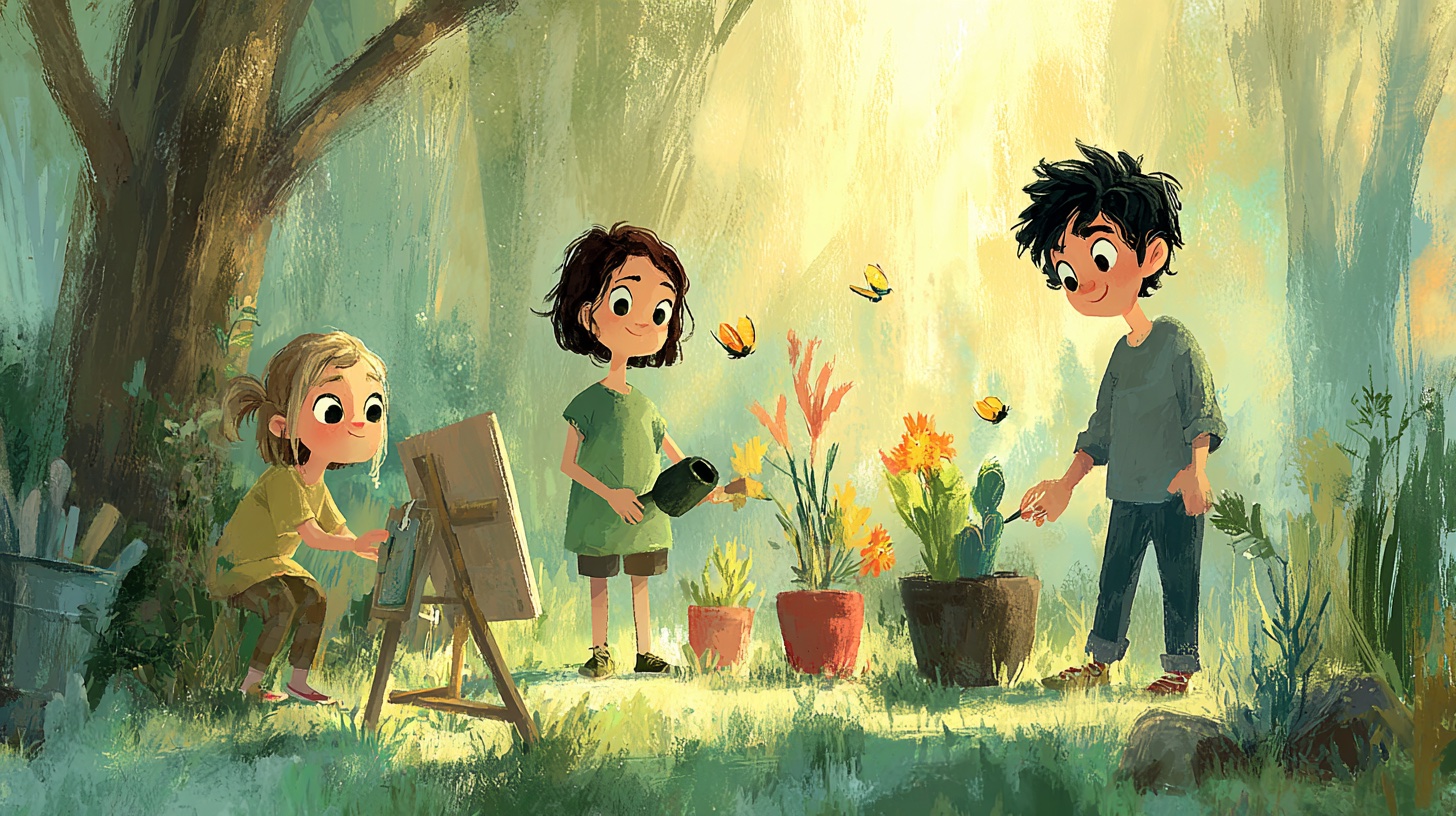
The 'summer slide'—the measurable academic regression during summer break—causes children to lose an average of 2 months of reading progress and 2.6 months of math skills (Cooper et al., 1996; NWEA, 2020). This compounds year over year: by 5th grade, summer learning loss accounts for roughly two-thirds of the achievement gap. But research from the RAND Corporation (2021) shows that structured summer learning programs can recover 20-25% of lost skills. This guide presents 12 proven activities across three categories—music-based learning (4), outdoor + music activities (4), and indoor educational activities (4)—plus a sample daily routine to keep your child's brain active all summer. El 'retroceso de verano'—la regresión académica medible durante las vacaciones—causa que los niños pierdan un promedio de 2 meses de progreso en lectura y 2.6 meses en matemáticas (Cooper et al., 1996; NWEA, 2020). Para 5to grado, la pérdida acumulada representa dos tercios de la brecha de rendimiento. Pero la investigación de RAND Corporation (2021) muestra que los programas estructurados pueden recuperar 20-25% de las habilidades perdidas. Esta guía presenta 12 actividades probadas en tres categorías: aprendizaje musical (4), actividades al aire libre + música (4) y actividades educativas de interior (4), más una rutina diaria de muestra. '여름 슬라이드'—여름방학 중 측정 가능한 학업 퇴보—로 인해 아이들은 평균 읽기 능력 2개월, 수학 능력 2.6개월을 잃습니다(Cooper et al., 1996; NWEA, 2020). 5학년까지 누적되면 성취도 격차의 약 2/3를 차지합니다. 그러나 RAND Corporation(2021) 연구에 따르면 구조화된 여름 학습 프로그램은 잃어버린 기술의 20-25%를 회복할 수 있습니다. 이 가이드는 음악 기반 학습(4), 야외+음악 활동(4), 실내 교육 활동(4) 세 가지 카테고리의 12가지 검증된 활동과 일일 루틴 샘플을 제시합니다.
What Is the Summer Slide? Understanding the Data
Every year, millions of children experience what researchers call the "summer slide"—a measurable decline in academic skills during summer vacation. This isn't just a theory; it's one of the most well-documented phenomena in education research.
The landmark meta-analysis by Cooper et al. (1996), analyzing 39 studies involving over 50,000 students, found that students lose an average of one month of overall academic progress during summer break. But the losses are not evenly distributed:
- Reading: Children lose approximately 2 months of reading grade-level equivalency during summer, with low-income students disproportionately affected
- Math: Students lose an average of 2.6 months of math computational skills—the largest single-subject loss
- Spelling: Approximately 1 month of spelling skills are lost
- Factual knowledge: Retention of science and social studies facts drops by 15-20%
More recent research by NWEA (2020) using MAP Growth assessment data from 3.4 million students confirmed these findings, showing that math losses are most severe in grades 3-5, while reading losses accumulate disproportionately for students who don't read during the summer.
Perhaps most alarming: summer learning loss is cumulative. According to research by Alexander, Entwisle, and Olson (2007), by the time students reach 5th grade, summer learning loss accounts for approximately two-thirds of the achievement gap between higher- and lower-income students.
The good news? The RAND Corporation (2021) found that structured summer learning programs can recover 20-25% of lost academic skills. And the activities don't need to feel like school—research shows that play-based, music-integrated learning can be just as effective as formal instruction for young children (Yogman et al., 2018, AAP).
Music-Based Summer Learning Activities (4 Activities)
Research from Cambridge University (2024) shows that music activates every area of the brain simultaneously—making it one of the most powerful learning tools available. These four activities use music to maintain and build academic skills during summer. For more on the science, see our article on how music develops children's brains.
Activity 1: Alphabet & Phonics Song Sessions
Skills maintained: Letter recognition, phonemic awareness, early reading
Ages: 2-5 years | Time: 15-20 minutes
Create a daily "song and letter" session. Play alphabet songs and pause at each letter to find objects around the house that start with that sound. Research by Anvari et al. (2002) found that children's musical abilities at age 4-5 significantly predict their phonological awareness and early reading skills.
- Morning: Sing 3-4 alphabet songs, focusing on specific letter groups (A-F, G-L, etc.)
- Activity: Go on a letter hunt—find items starting with today's letters
- Creative extension: Draw and label discovered items in a "summer alphabet journal"
Activity 2: Counting & Math Songs Workout
Skills maintained: Number sense, basic arithmetic, pattern recognition
Ages: 3-6 years | Time: 15-20 minutes
Math sees the biggest summer losses, but counting songs turn numbers into memorable melodies. A study by Geist et al. (2012) demonstrated that music-based math instruction improved number recognition scores by 34% compared to traditional methods.
- Warm-up: Sing counting songs (1-10, then 1-20, then skip counting by 2s, 5s, 10s)
- Game: "Musical math"—when the music stops, solve a quick addition or subtraction problem
- Hands-on: Use building blocks or fruit to physically group and count along with songs
Activity 3: Bilingual Song Challenge
Skills maintained: Vocabulary, language skills, cultural awareness
Ages: 3-8 years | Time: 20-30 minutes
Summer is the perfect time to build bilingual skills through music. Learn the same song in two languages—English and Spanish, for example. Research by Moreno et al. (2011) showed that musical training transfers directly to improved language processing in children.
- Day 1-2: Learn the song in your primary language
- Day 3-4: Learn the same melody with words in the second language
- Day 5: Sing both versions back-to-back, comparing vocabulary
- Bonus: Create a bilingual vocabulary wall with words from each song
Activity 4: Musical Storytelling
Skills maintained: Reading comprehension, creativity, narrative skills
Ages: 4-8 years | Time: 20-30 minutes
Combine music with storytelling. Research from the Institute of Education (2023) found that children who engage in musical storytelling show 42% better narrative comprehension than those who only listen to stories without musical elements.
- Step 1: Choose a favorite nursery rhyme or children's song
- Step 2: Extend the song into a full story—what happened before? What happens next?
- Step 3: Create sound effects using household items (pots, spoons, crinkled paper)
- Step 4: Perform the musical story for family members
Outdoor + Music Summer Activities (4 Activities)
Taking learning outside adds the benefits of physical activity, vitamin D, and sensory engagement. The American Academy of Pediatrics recommends children get at least 60 minutes of moderate to vigorous physical activity daily. These activities combine outdoor play with educational content for double the benefit.
Activity 5: Nature Sound Scavenger Hunt
Skills maintained: Listening skills, scientific observation, categorization
Ages: 3-7 years | Time: 30-45 minutes
Explore your neighborhood, park, or backyard while building educational play skills. Give children a list of sounds to find: birdsong, rustling leaves, running water, insects buzzing, wind chimes.
- Preparation: Create a "sound checklist" with pictures for pre-readers
- Activity: Walk quietly and check off each sound heard
- Extension: Record sounds on a phone and try to recreate them with instruments or voice
- STEM connection: Discuss what makes sounds high or low, loud or soft
Activity 6: Rhythm & Movement Obstacle Course
Skills maintained: Motor skills, rhythm, following directions, math (counting)
Ages: 3-8 years | Time: 30-45 minutes
Build a backyard obstacle course set to music. Research by Zachopoulou et al. (2004) showed that rhythmic movement activities improve children's motor coordination by 28% and counting skills by 19% simultaneously.
- Setup: Use cones, hula hoops, jump ropes, and balance beams
- Musical element: Play upbeat children's music—complete the course to the rhythm
- Counting challenge: Count jumps, hops, and steps at each station
- Timer bonus: Time each run and practice reading numbers on the clock
Activity 7: Gardening with Songs
Skills maintained: Science vocabulary, measurement, responsibility, patience
Ages: 4-8 years | Time: 20-30 minutes daily
Plant a small summer garden—herbs, sunflowers, or cherry tomatoes are great starters. Sing related songs while gardening (seed songs, growth songs, weather songs). This combines science observation with meaningful family activities.
- Plant: Choose 3-5 fast-growing plants and label them
- Measure: Track growth weekly with a ruler—practice inches and centimeters
- Journal: Draw and describe changes each week (vocabulary building)
- Music connection: Learn plant lifecycle songs, weather songs, and seasons songs
Activity 8: Sidewalk Chalk Learning Games
Skills maintained: Spelling, math facts, gross motor skills
Ages: 4-8 years | Time: 30-45 minutes
Turn your driveway into a learning playground with chalk. According to Pellegrini and Bohn-Gettler (2013), outdoor learning activities improve information retention by 20% compared to identical indoor activities, likely due to the multisensory environment.
- Hopscotch math: Draw a number grid—hop to solve addition/subtraction problems
- Sight word path: Write sight words in large letters and hop between them while spelling aloud
- Musical element: Sing a song and freeze on specific words—find and jump to that word on the ground
- Art + literacy: Draw a picture and write a sentence describing it
Indoor Educational Activities (4 Activities)
For rainy days, extreme heat, or structured screen-free time, these indoor activities provide rich learning experiences. The key is keeping engagement high while maintaining appropriate session lengths—15-20 minutes for ages 3-5, and 20-30 minutes for ages 6-8.
Activity 9: Kitchen Science Experiments
Skills maintained: Scientific thinking, measurement, vocabulary, following procedures
Ages: 4-8 years | Time: 20-30 minutes
The kitchen is the best science lab in your house. Simple experiments teach measurement, prediction, and cause-and-effect—core skills that suffer summer regression.
- Baking soda volcano: Measure ingredients (math), predict outcomes (science), describe reactions (language)
- Color mixing: Use food coloring and water to explore primary and secondary colors
- Sink or float: Collect household items and predict whether each will sink or float
- Musical connection: Sing science-themed songs or create a song about the experiment results
Activity 10: Build a Home Library Routine
Skills maintained: Reading fluency, comprehension, vocabulary
Ages: 2-8 years | Time: 20-30 minutes daily
Reading is the single most effective defense against the summer slide. Research by Kim and Quinn (2013) shows that just 20 minutes of daily reading during summer can prevent reading loss entirely. Many public libraries run free summer reading programs—take advantage of them.
- Ages 2-3: Read aloud 3-5 books daily, pointing to words and pictures
- Ages 4-5: Shared reading—you read a page, child "reads" (recites) the next
- Ages 6-8: Independent reading time + read-aloud time for more challenging books
- Song tie-in: After reading, sing a song that connects to the book's theme
Activity 11: Creative Art + Vocabulary Building
Skills maintained: Fine motor skills, vocabulary, self-expression, descriptive language
Ages: 3-7 years | Time: 20-30 minutes
Art projects are powerful vocabulary builders. According to the National Endowment for the Arts (2022), children who regularly engage in arts activities score 14% higher on language assessments than peers who don't.
- Theme days: Monday = animals, Tuesday = vehicles, Wednesday = nature, etc.
- Process: Draw or paint, then describe the artwork using at least 5 descriptive words
- Word wall: Add new words to a growing vocabulary wall each week
- Musical bonus: Play background music during art—nursery rhymes and classical music boost creative output
Activity 12: Board Games & Puzzle Time
Skills maintained: Strategic thinking, math, turn-taking, patience, reading
Ages: 4-8 years | Time: 20-40 minutes
Board games are structured learning disguised as fun. A study by Ramani and Siegler (2008) found that playing number board games for just 4 sessions of 15-20 minutes improved number line understanding by 30% in preschoolers.
- Ages 4-5: Candy Land, Hi Ho Cherry-O, memory matching games
- Ages 5-6: Chutes and Ladders, Uno, simple card games
- Ages 6-8: Scrabble Junior, Monopoly Junior, chess basics
- Musical variation: Play "musical board games"—take turns when the music stops
Summer Learning Daily Routine: A Sample Schedule
Structure prevents the summer slide without making summer feel like school. Here's a flexible daily routine that incorporates learning into a fun, relaxed summer day:
| Time | Activity | Skills | Duration |
|---|---|---|---|
| 8:30 AM | Morning songs & stretching | Music, motor skills | 15 min |
| 9:00 AM | Reading time (books + read-aloud) | Literacy, vocabulary | 20-30 min |
| 9:30 AM | Math/counting activity | Number sense, problem-solving | 15-20 min |
| 10:00 AM | Outdoor play + learning game | Physical activity, science | 45-60 min |
| 11:00 AM | Free play / snack | Social skills, creativity | 30 min |
| 2:00 PM | Art or science project | Creativity, vocabulary, STEM | 20-30 min |
| 2:30 PM | Bilingual song session / KidsFunLab time | Language, music, digital literacy | 15-20 min |
| 3:00 PM | Board game or puzzle | Strategic thinking, math | 20-30 min |
| 7:00 PM | Bedtime songs & stories | Reading, calming routine | 15-20 min |
Key principles:
- No more than 2 hours of structured learning per day—the rest should be free play
- Mix active and quiet activities to maintain energy and focus
- Be flexible—swap activities based on weather, mood, and interests
- Celebrate progress—use a sticker chart or summer learning journal
Summer Learning Resources from KidsFunLab
KidsFunLab is designed to make summer learning engaging and effective. Our platform provides:
- Music-based learning: Educational songs and albums in English, Spanish, and Korean that teach letters, numbers, colors, and more
- Interactive games: 2,000+ educational games that reinforce academic skills through play
- Ad-free environment: No ads, no in-app purchases—just safe, parent-approved learning
- Screen time control: Built-in timers help parents manage daily screen time to recommended limits
- Offline access: Download activities for car trips, airplane rides, and areas without Wi-Fi
Start your child's summer learning adventure today and make this the summer they grow instead of slide.
¿Qué Es el Retroceso de Verano? Entendiendo los Datos
Cada año, millones de niños experimentan lo que los investigadores llaman el "retroceso de verano" (summer slide)—una disminución medible en las habilidades académicas durante las vacaciones de verano. No es solo una teoría; es uno de los fenómenos más documentados en la investigación educativa.
El meta-análisis fundamental de Cooper et al. (1996), que analizó 39 estudios con más de 50,000 estudiantes, encontró que los estudiantes pierden un promedio de un mes de progreso académico general durante las vacaciones de verano. Pero las pérdidas no se distribuyen equitativamente:
- Lectura: Los niños pierden aproximadamente 2 meses de nivel de lectura, afectando desproporcionadamente a estudiantes de bajos ingresos
- Matemáticas: Los estudiantes pierden un promedio de 2.6 meses de habilidades computacionales—la mayor pérdida por materia
- Ortografía: Se pierde aproximadamente 1 mes de habilidades ortográficas
- Conocimiento general: La retención de ciencias y estudios sociales cae un 15-20%
Investigaciones más recientes de NWEA (2020) usando datos de evaluación MAP Growth de 3.4 millones de estudiantes confirmaron estos hallazgos, mostrando que las pérdidas en matemáticas son más severas en grados 3-5, mientras que las pérdidas en lectura se acumulan desproporcionadamente para estudiantes que no leen durante el verano.
Lo más alarmante: la pérdida de aprendizaje de verano es acumulativa. Según Alexander, Entwisle y Olson (2007), para 5to grado, la pérdida acumulada representa aproximadamente dos tercios de la brecha de rendimiento entre estudiantes de mayores y menores ingresos.
¿La buena noticia? RAND Corporation (2021) encontró que los programas estructurados de aprendizaje de verano pueden recuperar 20-25% de las habilidades académicas perdidas. Y las actividades no necesitan sentirse como escuela—la investigación muestra que el aprendizaje basado en el juego e integrado con música puede ser igual de efectivo que la instrucción formal para niños pequeños (Yogman et al., 2018, AAP).
Actividades de Aprendizaje Musical para el Verano (4 Actividades)
Investigaciones de la Universidad de Cambridge (2024) muestran que la música activa cada área del cerebro simultáneamente—haciéndola una de las herramientas de aprendizaje más poderosas disponibles. Estas cuatro actividades usan la música para mantener y desarrollar habilidades académicas durante el verano. Para más información sobre la ciencia, consulta nuestro artículo sobre cómo la música desarrolla el cerebro de los niños.
Actividad 1: Sesiones de Canciones del Alfabeto y Fonética
Habilidades mantenidas: Reconocimiento de letras, conciencia fonémica, lectura temprana
Edades: 2-5 años | Tiempo: 15-20 minutos
Crea una sesión diaria de "canción y letra". Reproduce canciones del alfabeto y pausa en cada letra para encontrar objetos en casa que empiecen con ese sonido. La investigación de Anvari et al. (2002) encontró que las habilidades musicales de los niños a los 4-5 años predicen significativamente su conciencia fonológica.
- Mañana: Cantar 3-4 canciones del alfabeto, enfocándose en grupos específicos (A-F, G-L, etc.)
- Actividad: Buscar objetos que empiecen con las letras del día
- Extensión creativa: Dibujar y etiquetar los objetos descubiertos en un "diario del alfabeto de verano"
Actividad 2: Ejercicio de Canciones de Contar y Matemáticas
Habilidades mantenidas: Sentido numérico, aritmética básica, reconocimiento de patrones
Edades: 3-6 años | Tiempo: 15-20 minutos
Las matemáticas sufren las mayores pérdidas de verano, pero las canciones de contar convierten los números en melodías memorables. Un estudio de Geist et al. (2012) demostró que la instrucción matemática basada en música mejoró los puntajes de reconocimiento numérico en un 34% comparado con métodos tradicionales.
- Calentamiento: Cantar canciones de contar (1-10, luego 1-20, luego contar de 2 en 2, de 5 en 5)
- Juego: "Matemáticas musicales"—cuando la música para, resolver un problema rápido de suma o resta
- Práctica: Usar bloques de construcción o frutas para agrupar y contar junto con las canciones
Actividad 3: Desafío de Canciones Bilingües
Habilidades mantenidas: Vocabulario, habilidades lingüísticas, conciencia cultural
Edades: 3-8 años | Tiempo: 20-30 minutos
El verano es el momento perfecto para desarrollar habilidades bilingües a través de la música. Aprende la misma canción en dos idiomas—inglés y español, por ejemplo. La investigación de Moreno et al. (2011) demostró que el entrenamiento musical se transfiere directamente a una mejor procesamiento del lenguaje en los niños.
- Día 1-2: Aprender la canción en tu idioma principal
- Día 3-4: Aprender la misma melodía con palabras en el segundo idioma
- Día 5: Cantar ambas versiones seguidas, comparando vocabulario
- Bonus: Crear un muro de vocabulario bilingüe con palabras de cada canción
Actividad 4: Narración Musical
Habilidades mantenidas: Comprensión lectora, creatividad, habilidades narrativas
Edades: 4-8 años | Tiempo: 20-30 minutos
Combina música con narración. La investigación del Instituto de Educación (2023) encontró que los niños que participan en la narración musical muestran un 42% mejor comprensión narrativa que los que solo escuchan historias sin elementos musicales.
- Paso 1: Elegir una canción infantil o rima favorita
- Paso 2: Extender la canción en una historia completa—¿qué pasó antes? ¿Qué pasa después?
- Paso 3: Crear efectos de sonido con objetos del hogar (ollas, cucharas, papel arrugado)
- Paso 4: Presentar la historia musical para los miembros de la familia
Actividades de Verano al Aire Libre + Música (4 Actividades)
Llevar el aprendizaje al aire libre agrega los beneficios de la actividad física, vitamina D y estimulación sensorial. La Academia Americana de Pediatría recomienda que los niños realicen al menos 60 minutos de actividad física moderada a vigorosa diariamente.
Actividad 5: Búsqueda de Sonidos en la Naturaleza
Habilidades mantenidas: Escucha activa, observación científica, categorización
Edades: 3-7 años | Tiempo: 30-45 minutos
Explora tu vecindario o parque desarrollando habilidades de juego educativo. Dale a los niños una lista de sonidos para encontrar: canto de pájaros, hojas crujientes, agua corriente, insectos zumbando.
- Preparación: Crear una "lista de verificación de sonidos" con imágenes para pre-lectores
- Actividad: Caminar en silencio y marcar cada sonido escuchado
- Extensión: Grabar sonidos en un teléfono e intentar recrearlos con instrumentos o la voz
- Conexión STEM: Discutir qué hace los sonidos agudos o graves, fuertes o suaves
Actividad 6: Circuito de Obstáculos con Ritmo y Movimiento
Habilidades mantenidas: Habilidades motoras, ritmo, seguir instrucciones, matemáticas
Edades: 3-8 años | Tiempo: 30-45 minutos
Construye un circuito de obstáculos en el patio con música. La investigación de Zachopoulou et al. (2004) demostró que las actividades de movimiento rítmico mejoran la coordinación motora en un 28% y las habilidades de contar en un 19%.
- Montaje: Usar conos, hula hoops, cuerdas para saltar y barras de equilibrio
- Elemento musical: Reproducir música infantil animada—completar el circuito al ritmo
- Desafío de contar: Contar saltos y pasos en cada estación
- Bonus del cronómetro: Cronometrar cada carrera y practicar lectura de números
Actividad 7: Jardinería con Canciones
Habilidades mantenidas: Vocabulario científico, medición, responsabilidad, paciencia
Edades: 4-8 años | Tiempo: 20-30 minutos diarios
Planta un pequeño jardín de verano—hierbas, girasoles o tomates cherry son excelentes para empezar. Canta canciones relacionadas mientras jardines. Esto combina la observación científica con actividades familiares significativas.
- Plantar: Elegir 3-5 plantas de crecimiento rápido y etiquetarlas
- Medir: Registrar el crecimiento semanal con una regla—practicar centímetros y pulgadas
- Diario: Dibujar y describir los cambios cada semana (construcción de vocabulario)
- Conexión musical: Aprender canciones sobre el ciclo de vida de las plantas y las estaciones
Actividad 8: Juegos de Aprendizaje con Tiza en la Acera
Habilidades mantenidas: Ortografía, operaciones matemáticas, habilidades motoras gruesas
Edades: 4-8 años | Tiempo: 30-45 minutos
Convierte tu entrada en un patio de aprendizaje con tiza. Según Pellegrini y Bohn-Gettler (2013), las actividades de aprendizaje al aire libre mejoran la retención de información en un 20% comparado con actividades idénticas en interiores.
- Rayuela matemática: Dibujar una cuadrícula numérica—saltar para resolver problemas de suma/resta
- Camino de palabras: Escribir palabras de uso frecuente en letras grandes y saltar entre ellas deletreando en voz alta
- Elemento musical: Cantar una canción y congelarse en palabras específicas—encontrar y saltar a esa palabra en el suelo
- Arte + lectoescritura: Dibujar una imagen y escribir una oración describiéndola
Actividades Educativas de Interior (4 Actividades)
Para días lluviosos, calor extremo o tiempo libre de pantallas estructurado, estas actividades proporcionan experiencias de aprendizaje ricas. La clave es mantener el interés alto con sesiones de 15-20 minutos para 3-5 años, y 20-30 minutos para 6-8 años.
Actividad 9: Experimentos de Ciencia en la Cocina
Habilidades mantenidas: Pensamiento científico, medición, vocabulario, seguir procedimientos
Edades: 4-8 años | Tiempo: 20-30 minutos
La cocina es el mejor laboratorio de ciencias de tu casa. Los experimentos simples enseñan medición, predicción y causa-efecto.
- Volcán de bicarbonato: Medir ingredientes (matemáticas), predecir resultados (ciencia), describir reacciones (lenguaje)
- Mezcla de colores: Usar colorante alimentario y agua para explorar colores primarios y secundarios
- ¿Se hunde o flota?: Recolectar objetos del hogar y predecir si se hunden o flotan
- Conexión musical: Cantar canciones temáticas de ciencia o crear una canción sobre los resultados
Actividad 10: Establecer una Rutina de Biblioteca en Casa
Habilidades mantenidas: Fluidez lectora, comprensión, vocabulario
Edades: 2-8 años | Tiempo: 20-30 minutos diarios
La lectura es la defensa más efectiva contra el retroceso de verano. La investigación de Kim y Quinn (2013) muestra que solo 20 minutos de lectura diaria durante el verano pueden prevenir completamente la pérdida de lectura.
- 2-3 años: Leer en voz alta 3-5 libros diarios, señalando palabras e imágenes
- 4-5 años: Lectura compartida—tú lees una página, el niño "lee" la siguiente
- 6-8 años: Tiempo de lectura independiente + lectura en voz alta de libros más desafiantes
- Conexión musical: Después de leer, cantar una canción relacionada con el tema del libro
Actividad 11: Arte Creativo + Construcción de Vocabulario
Habilidades mantenidas: Motricidad fina, vocabulario, autoexpresión, lenguaje descriptivo
Edades: 3-7 años | Tiempo: 20-30 minutos
Los proyectos de arte son poderosos constructores de vocabulario. Según el National Endowment for the Arts (2022), los niños que participan regularmente en actividades artísticas obtienen 14% más alto en evaluaciones de lenguaje.
- Días temáticos: Lunes = animales, Martes = vehículos, Miércoles = naturaleza, etc.
- Proceso: Dibujar o pintar, luego describir la obra usando al menos 5 palabras descriptivas
- Muro de palabras: Agregar nuevas palabras a un muro de vocabulario creciente cada semana
- Bonus musical: Reproducir música de fondo durante el arte—canciones infantiles y música clásica impulsan la creatividad
Actividad 12: Juegos de Mesa y Rompecabezas
Habilidades mantenidas: Pensamiento estratégico, matemáticas, turnos, paciencia, lectura
Edades: 4-8 años | Tiempo: 20-40 minutos
Los juegos de mesa son aprendizaje estructurado disfrazado de diversión. Un estudio de Ramani y Siegler (2008) encontró que jugar juegos de mesa numéricos por solo 4 sesiones de 15-20 minutos mejoró la comprensión de la línea numérica en un 30%.
- 4-5 años: Candy Land, juegos de memoria
- 5-6 años: Serpientes y Escaleras, Uno, juegos de cartas simples
- 6-8 años: Scrabble Junior, Monopoly Junior, ajedrez básico
- Variación musical: Jugar "juegos de mesa musicales"—tomar turnos cuando la música para
Rutina Diaria de Aprendizaje de Verano: Un Horario de Ejemplo
La estructura previene el retroceso de verano sin que el verano se sienta como escuela. Aquí hay una rutina diaria flexible:
| Hora | Actividad | Habilidades | Duración |
|---|---|---|---|
| 8:30 AM | Canciones matutinas y estiramientos | Música, motricidad | 15 min |
| 9:00 AM | Tiempo de lectura | Lectoescritura, vocabulario | 20-30 min |
| 9:30 AM | Actividad de matemáticas/contar | Sentido numérico | 15-20 min |
| 10:00 AM | Juego al aire libre + juego educativo | Actividad física, ciencia | 45-60 min |
| 11:00 AM | Juego libre / merienda | Habilidades sociales | 30 min |
| 2:00 PM | Proyecto de arte o ciencia | Creatividad, vocabulario, STEM | 20-30 min |
| 2:30 PM | Sesión de canciones bilingües / KidsFunLab | Idiomas, música | 15-20 min |
| 3:00 PM | Juego de mesa o rompecabezas | Pensamiento estratégico | 20-30 min |
| 7:00 PM | Canciones de cuna e historias | Lectura, rutina de calma | 15-20 min |
Principios clave:
- No más de 2 horas de aprendizaje estructurado por día—el resto debe ser juego libre
- Alternar actividades activas y tranquilas para mantener la energía y el enfoque
- Ser flexible—intercambiar actividades según el clima, el ánimo y los intereses
- Celebrar el progreso—usar un cuadro de pegatinas o diario de aprendizaje de verano
Recursos de Aprendizaje de Verano de KidsFunLab
KidsFunLab está diseñado para hacer el aprendizaje de verano atractivo y efectivo. Nuestra plataforma ofrece:
- Aprendizaje basado en música: Canciones y álbumes educativos en inglés, español y coreano
- Juegos interactivos: Más de 2,000 juegos educativos que refuerzan habilidades académicas
- Ambiente sin anuncios: Sin anuncios, sin compras en la app—solo aprendizaje seguro aprobado por padres
- Control de tiempo de pantalla: Temporizadores integrados ayudan a gestionar el tiempo de pantalla recomendado
- Acceso sin conexión: Descarga actividades para viajes en auto, avión y áreas sin Wi-Fi
Comienza la aventura de aprendizaje de verano de tu hijo hoy y haz que este sea el verano en que crezca en lugar de retroceder.
여름 슬라이드(Summer Slide)란? 데이터 이해하기
매년 수백만 명의 아이들이 연구자들이 "여름 슬라이드"라고 부르는 현상—여름방학 동안 측정 가능한 학업 능력 저하—을 경험합니다. 이것은 단순한 이론이 아니라 교육 연구에서 가장 잘 문서화된 현상 중 하나입니다.
Cooper et al.(1996)의 획기적인 메타분석은 50,000명 이상의 학생을 포함한 39개 연구를 분석하여, 학생들이 여름방학 동안 평균 전체 학업 진도 1개월을 잃는다는 것을 발견했습니다. 그러나 손실은 균등하지 않습니다:
- 읽기: 어린이는 여름 동안 약 읽기 학년 수준 2개월을 잃으며, 저소득층 학생이 불균형적으로 영향을 받습니다
- 수학: 학생들은 평균 수학 계산 능력 2.6개월을 잃습니다—가장 큰 단일 과목 손실입니다
- 맞춤법: 약 맞춤법 능력 1개월이 손실됩니다
- 사실적 지식: 과학 및 사회 과목 사실 기억력이 15-20% 감소합니다
NWEA(2020)의 최근 연구는 340만 명의 학생의 MAP Growth 평가 데이터를 사용하여 이러한 발견을 확인했으며, 수학 손실이 3-5학년에서 가장 심각하고, 읽기 손실은 여름 동안 읽지 않는 학생에게 불균형적으로 누적된다는 것을 보여주었습니다.
가장 우려되는 점: 여름 학습 손실은 누적됩니다. Alexander, Entwisle, Olson(2007)의 연구에 따르면, 5학년이 되면 여름 학습 손실이 고소득과 저소득 학생 간 성취도 격차의 약 2/3를 차지합니다.
좋은 소식은? RAND Corporation(2021)은 구조화된 여름 학습 프로그램이 잃어버린 학업 기술의 20-25%를 회복할 수 있다는 것을 발견했습니다. 그리고 활동이 학교처럼 느껴질 필요는 없습니다—연구에 따르면 놀이 기반, 음악 통합 학습은 어린 아이들에게 정규 수업만큼 효과적일 수 있습니다(Yogman et al., 2018, AAP).
음악 기반 여름 학습 활동 (4가지 활동)
케임브리지 대학교(2024)의 연구에 따르면 음악은 뇌의 모든 영역을 동시에 활성화하여 가장 강력한 학습 도구 중 하나입니다. 이 네 가지 활동은 음악을 사용하여 여름 동안 학업 기술을 유지하고 발전시킵니다. 과학에 대해 더 알아보려면 음악이 아이의 뇌를 발달시키는 방법 기사를 참조하세요.
활동 1: 알파벳 & 파닉스 노래 세션
유지되는 기술: 글자 인식, 음운 인식, 초기 읽기
연령: 2-5세 | 시간: 15-20분
매일 "노래와 글자" 세션을 만드세요. 알파벳 노래를 재생하고 각 글자에서 멈추어 그 소리로 시작하는 집 안의 물건을 찾으세요. Anvari et al.(2002)의 연구에 따르면 4-5세 아이의 음악 능력은 음운 인식과 초기 읽기 능력을 유의미하게 예측합니다.
- 아침: 알파벳 노래 3-4곡 부르기, 특정 글자 그룹에 집중 (ㄱ-ㄹ, ㅁ-ㅂ 등)
- 활동: 글자 찾기 놀이—오늘의 글자로 시작하는 물건 찾기
- 창의적 확장: 발견한 물건을 "여름 알파벳 일지"에 그리고 이름 쓰기
활동 2: 숫자 세기 & 수학 노래 운동
유지되는 기술: 수감각, 기초 산수, 패턴 인식
연령: 3-6세 | 시간: 15-20분
수학은 여름 손실이 가장 크지만, 숫자 세기 노래는 숫자를 기억에 남는 멜로디로 바꿔줍니다. Geist et al.(2012)의 연구는 음악 기반 수학 교육이 숫자 인식 점수를 전통적 방법 대비 34% 향상시켰음을 보여줍니다.
- 워밍업: 숫자 세기 노래 부르기 (1-10, 그 다음 1-20, 그 다음 2씩, 5씩, 10씩 건너 세기)
- 게임: "음악 수학"—음악이 멈추면 빠른 덧셈 또는 뺄셈 문제 풀기
- 실습: 블록이나 과일을 사용하여 노래에 맞춰 실제로 그룹 짓고 세기
활동 3: 이중언어 노래 챌린지
유지되는 기술: 어휘력, 언어 능력, 문화 인식
연령: 3-8세 | 시간: 20-30분
여름은 음악을 통한 이중언어 기술을 키우기에 완벽한 시기입니다. 같은 노래를 두 가지 언어—예를 들어 영어와 한국어—로 배우세요. Moreno et al.(2011)의 연구에 따르면 음악 훈련은 아이들의 언어 처리 능력 향상에 직접적으로 전이됩니다.
- 1-2일차: 모국어로 노래 배우기
- 3-4일차: 같은 멜로디에 두 번째 언어 가사로 배우기
- 5일차: 두 버전을 연속으로 부르며 어휘 비교하기
- 보너스: 각 노래의 단어로 이중언어 어휘 벽 만들기
활동 4: 음악 스토리텔링
유지되는 기술: 독해력, 창의력, 서사 능력
연령: 4-8세 | 시간: 20-30분
음악과 스토리텔링을 결합하세요. 교육연구소(2023)의 연구에 따르면 음악 스토리텔링에 참여하는 아이들은 음악 요소 없이 이야기만 듣는 아이들보다 서사 이해력이 42% 더 높습니다.
- 1단계: 좋아하는 동요나 어린이 노래 선택하기
- 2단계: 노래를 완전한 이야기로 확장하기—이전에 무슨 일이 있었나요? 다음에는 무엇이?
- 3단계: 집안 물건(냄비, 숟가락, 구겨진 종이)으로 효과음 만들기
- 4단계: 가족에게 음악 이야기 공연하기
야외 + 음악 여름 활동 (4가지 활동)
야외에서 학습하면 신체 활동, 비타민 D, 감각 자극의 이점이 더해집니다. 미국소아과학회는 아이들이 매일 최소 60분의 중강도 이상 신체 활동을 할 것을 권장합니다. 이 활동들은 야외 놀이와 교육 콘텐츠를 결합합니다.
활동 5: 자연 소리 탐험 놀이
유지되는 기술: 경청 능력, 과학적 관찰, 분류
연령: 3-7세 | 시간: 30-45분
교육적 놀이 기술을 키우며 동네, 공원, 뒷마당을 탐험하세요. 아이들에게 찾아야 할 소리 목록을 주세요: 새소리, 바스락거리는 나뭇잎, 흐르는 물, 벌레 소리, 바람 소리.
- 준비: 글자를 모르는 아이를 위해 그림이 있는 "소리 체크리스트" 만들기
- 활동: 조용히 걸으며 들리는 소리마다 체크하기
- 확장: 휴대폰으로 소리를 녹음하고 악기나 목소리로 재현해보기
- STEM 연결: 소리가 높거나 낮은, 크거나 작은 이유에 대해 이야기하기
활동 6: 리듬 & 운동 장애물 코스
유지되는 기술: 운동 능력, 리듬, 지시 따르기, 수학(세기)
연령: 3-8세 | 시간: 30-45분
음악에 맞춰 뒷마당 장애물 코스를 만드세요. Zachopoulou et al.(2004)의 연구에 따르면 리듬적 움직임 활동은 아이들의 운동 협응력을 28%, 수 세기 능력을 19% 동시에 향상시킵니다.
- 설치: 콘, 훌라후프, 줄넘기, 평균대 사용
- 음악 요소: 신나는 어린이 음악 재생—리듬에 맞춰 코스 완주하기
- 세기 도전: 각 스테이션에서 점프, 깡충, 걸음 수 세기
- 타이머 보너스: 매 달리기 시간을 재고 시계 읽기 연습하기
활동 7: 노래와 함께하는 정원 가꾸기
유지되는 기술: 과학 어휘, 측정, 책임감, 인내심
연령: 4-8세 | 시간: 매일 20-30분
작은 여름 정원을 가꾸세요—허브, 해바라기, 방울토마토가 좋은 시작입니다. 정원 가꾸며 관련 노래를 부르세요. 이것은 과학 관찰과 의미 있는 가족 활동을 결합합니다.
- 심기: 빨리 자라는 식물 3-5가지를 선택하고 이름표 붙이기
- 측정: 매주 자를 대고 성장 기록하기—센티미터 읽기 연습
- 일지: 매주 변화를 그리고 설명하기 (어휘력 향상)
- 음악 연결: 식물 생애 주기 노래, 날씨 노래, 계절 노래 배우기
활동 8: 보도 분필 학습 놀이
유지되는 기술: 맞춤법, 수학 연산, 대근육 운동 기술
연령: 4-8세 | 시간: 30-45분
분필로 주차장이나 마당을 학습 놀이터로 바꾸세요. Pellegrini와 Bohn-Gettler(2013)에 따르면, 야외 학습 활동은 동일한 실내 활동에 비해 정보 기억력을 20% 향상시킵니다.
- 수학 사방치기: 숫자 격자를 그리고 덧셈/뺄셈 문제를 풀며 뛰기
- 기본 단어 길: 큰 글씨로 기본 단어를 쓰고 소리 내어 읽으며 뛰어다니기
- 음악 요소: 노래를 부르다 특정 단어에서 멈추기—바닥에서 그 단어를 찾아 뛰어가기
- 미술 + 글쓰기: 그림을 그리고 그것을 설명하는 문장 쓰기
실내 교육 활동 (4가지 활동)
비 오는 날, 극심한 더위, 또는 구조화된 스크린 프리 시간을 위해, 이 실내 활동들은 풍부한 학습 경험을 제공합니다. 핵심은 3-5세는 15-20분, 6-8세는 20-30분의 적절한 세션 길이로 참여도를 높게 유지하는 것입니다.
활동 9: 주방 과학 실험
유지되는 기술: 과학적 사고, 측정, 어휘, 절차 따르기
연령: 4-8세 | 시간: 20-30분
주방은 집에서 가장 좋은 과학 실험실입니다. 간단한 실험으로 측정, 예측, 인과관계를 가르칩니다.
- 베이킹소다 화산: 재료 측정(수학), 결과 예측(과학), 반응 설명(언어)
- 색 혼합: 식용 색소와 물로 1차색과 2차색 탐구하기
- 가라앉을까 뜰까: 집안 물건을 모아 가라앉을지 뜰지 예측하기
- 음악 연결: 과학 주제 노래를 부르거나 실험 결과에 대한 노래 만들기
활동 10: 가정 도서관 루틴 만들기
유지되는 기술: 읽기 유창성, 독해력, 어휘력
연령: 2-8세 | 시간: 매일 20-30분
읽기는 여름 슬라이드에 대한 가장 효과적인 방어입니다. Kim과 Quinn(2013)의 연구에 따르면 여름 동안 매일 20분의 독서만으로 읽기 손실을 완전히 예방할 수 있습니다. 많은 공공 도서관이 무료 여름 독서 프로그램을 운영합니다—활용하세요.
- 2-3세: 매일 3-5권 소리 내어 읽어주기, 글자와 그림 가리키기
- 4-5세: 함께 읽기—부모가 한 페이지, 아이가 다음 페이지 "읽기"(암송)
- 6-8세: 독립 읽기 시간 + 더 어려운 책 소리 내어 읽기 시간
- 노래 연결: 읽은 후, 책 주제와 관련된 노래 부르기
활동 11: 창의적 미술 + 어휘력 키우기
유지되는 기술: 소근육 운동, 어휘, 자기 표현, 묘사적 언어
연령: 3-7세 | 시간: 20-30분
미술 프로젝트는 강력한 어휘력 구축 도구입니다. National Endowment for the Arts(2022)에 따르면, 정기적으로 예술 활동에 참여하는 아이들은 언어 평가에서 14% 더 높은 점수를 받습니다.
- 테마 데이: 월요일 = 동물, 화요일 = 탈것, 수요일 = 자연 등
- 과정: 그리거나 칠하고, 최소 5개의 묘사 단어를 사용하여 작품 설명하기
- 단어 벽: 매주 성장하는 어휘 벽에 새 단어 추가하기
- 음악 보너스: 미술 시간에 배경 음악 재생—동요와 클래식 음악이 창의적 산출물을 높입니다
활동 12: 보드게임 & 퍼즐 시간
유지되는 기술: 전략적 사고, 수학, 차례 기다리기, 인내심, 읽기
연령: 4-8세 | 시간: 20-40분
보드게임은 재미로 위장한 구조화된 학습입니다. Ramani와 Siegler(2008)의 연구에 따르면, 숫자 보드게임을 15-20분씩 4회만 플레이해도 수직선 이해력이 30% 향상되었습니다.
- 4-5세: 캔디랜드, 기억력 맞추기 게임
- 5-6세: 뱀과 사다리, 우노, 간단한 카드 게임
- 6-8세: 스크래블 주니어, 모노폴리 주니어, 기초 체스
- 음악 변형: "음악 보드게임"—음악이 멈추면 차례 돌리기
여름 학습 일일 루틴: 시간표 샘플
구조는 여름이 학교처럼 느껴지지 않으면서도 여름 슬라이드를 방지합니다. 다음은 재미있고 편안한 여름 하루에 학습을 통합하는 유연한 일일 루틴입니다:
| 시간 | 활동 | 기술 | 소요 시간 |
|---|---|---|---|
| 오전 8:30 | 아침 노래 & 스트레칭 | 음악, 운동 기술 | 15분 |
| 오전 9:00 | 읽기 시간 (책 + 소리 내어 읽기) | 문해력, 어휘 | 20-30분 |
| 오전 9:30 | 수학/수 세기 활동 | 수감각, 문제 해결 | 15-20분 |
| 오전 10:00 | 야외 놀이 + 학습 게임 | 신체 활동, 과학 | 45-60분 |
| 오전 11:00 | 자유 놀이 / 간식 | 사회성, 창의력 | 30분 |
| 오후 2:00 | 미술 또는 과학 프로젝트 | 창의력, 어휘, STEM | 20-30분 |
| 오후 2:30 | 이중언어 노래 세션 / KidsFunLab 시간 | 언어, 음악, 디지털 리터러시 | 15-20분 |
| 오후 3:00 | 보드게임 또는 퍼즐 | 전략적 사고, 수학 | 20-30분 |
| 오후 7:00 | 자장가 & 동화 | 읽기, 취침 루틴 | 15-20분 |
핵심 원칙:
- 하루에 구조화된 학습은 2시간 이내—나머지는 자유 놀이여야 합니다
- 활동적 활동과 조용한 활동을 교차하여 에너지와 집중력 유지
- 유연하게—날씨, 기분, 관심사에 따라 활동 바꾸기
- 진전을 축하하기—스티커 차트나 여름 학습 일지 사용
KidsFunLab의 여름 학습 자료
KidsFunLab은 여름 학습을 흥미롭고 효과적으로 만들도록 설계되었습니다. 우리 플랫폼은 다음을 제공합니다:
- 음악 기반 학습: 영어, 스페인어, 한국어로 된 교육 노래와 앨범으로 글자, 숫자, 색상 등을 가르칩니다
- 인터랙티브 게임: 놀이를 통해 학업 기술을 강화하는 2,000개 이상의 교육 게임
- 광고 없는 환경: 광고 없음, 인앱 결제 없음—부모가 승인한 안전한 학습만
- 스크린 타임 관리: 내장 타이머로 권장 스크린 타임을 관리할 수 있습니다
- 오프라인 접근: 자동차 여행, 비행기, Wi-Fi 없는 곳에서도 활동을 다운로드할 수 있습니다
오늘 자녀의 여름 학습 모험을 시작하고, 이번 여름을 퇴보가 아닌 성장의 여름으로 만드세요.

Comments Comentarios 댓글
No comments yet. Be the first! Aún no hay comentarios. ¡Sé el primero! 아직 댓글이 없습니다. 첫 번째로 작성해보세요!
Leave a comment Deja un comentario 댓글 남기기