

Tips and insights for parents and kids Consejos e ideas para padres e hijos 부모와 아이를 위한 팁과 인사이트
Weekend Learning Activities for Families Actividades de Aprendizaje de Fin de Semana para Familias 가족과 함께하는 주말 학습 활동
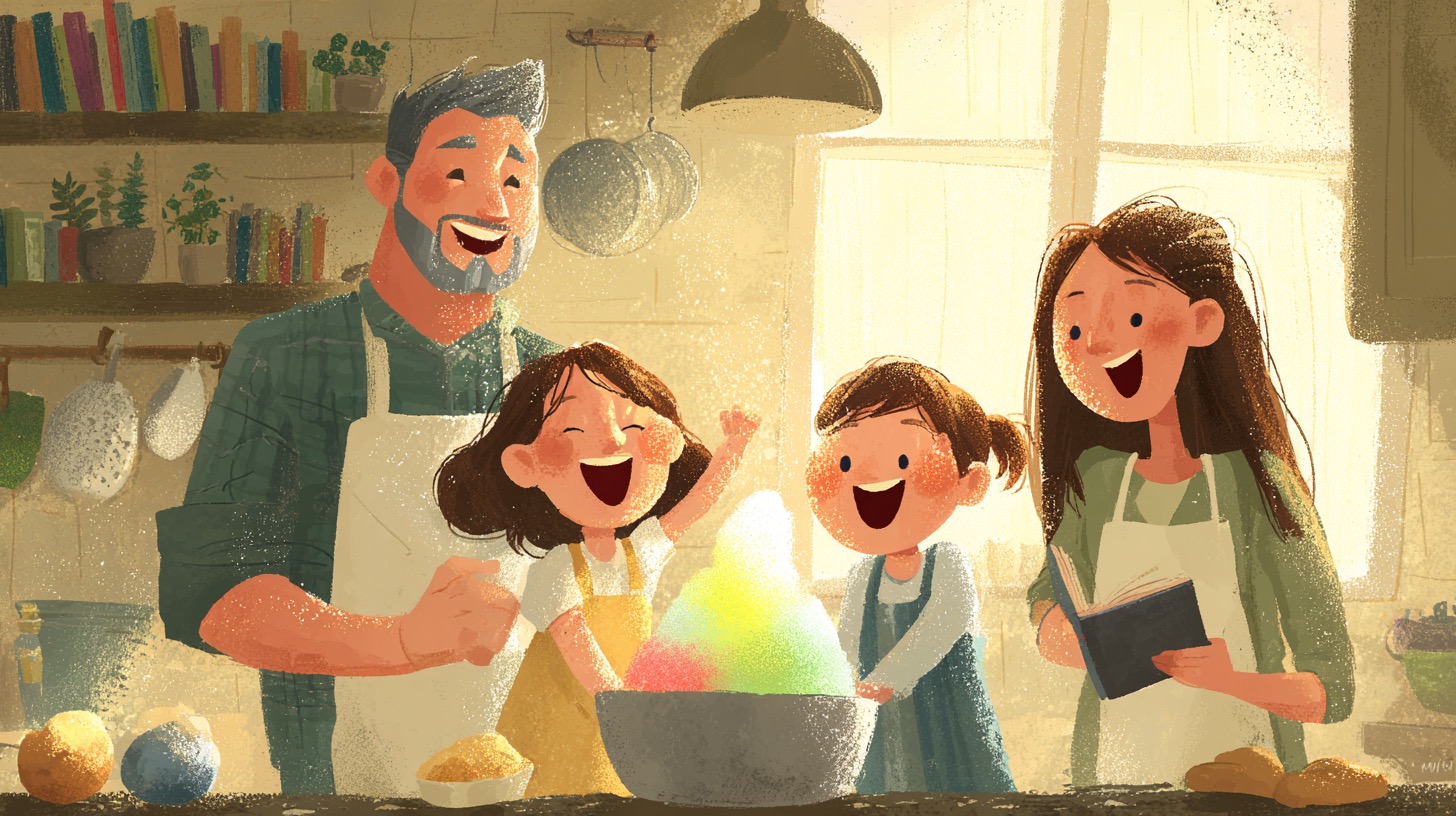
Research shows children whose families participate in educational activities together develop better communication, cooperation, confidence, and curiosity. Transform weekends into learning adventures with four activity types: kitchen science experiments, cooking together for math and reading skills, outdoor nature walks and scavenger hunts, and creative projects like DIY musical instruments. La investigación muestra que los niños cuyas familias participan en actividades educativas juntas desarrollan mejor comunicación, cooperación, confianza y curiosidad. Transforma los fines de semana en aventuras de aprendizaje con cuatro tipos: experimentos de ciencia en la cocina, cocinar juntos, caminatas al aire libre y proyectos creativos como instrumentos musicales caseros. 연구에 따르면 가족과 함께 교육 활동에 참여하는 아이들은 의사소통, 협동심, 자신감, 호기심이 더 잘 발달합니다. 네 가지 활동으로 주말을 학습 모험으로 바꾸세요: 주방 과학 실험, 수학/읽기를 위한 함께 요리하기, 야외 자연 탐험과 보물찾기, DIY 악기 만들기 같은 창작 프로젝트.
Learning through leisure offers remarkable benefits for both children and adults. Research shows that children whose families participate in educational activities at home communicate and cooperate better, gaining confidence and curiosity through shared moments. Weekends provide the perfect opportunity to transform family time into learning adventures that build minds while making memories.
Why Family Learning Matters
Research consistently shows multiple benefits of learning together as a family:
- Improved relationships: Participating in activities together promotes bonding, communication, and quality time
- Better academic performance: Children who engage in educational leisure activities perform better academically
- Life skills development: Many activities involve problem-solving, critical thinking, and creativity
- Stress reduction: Leisure provides a break from responsibilities for both children and parents
- Increased confidence: Educators notice that children who experience structured learning at home are more confident and engaged at school
The Kitchen as a Science Lab
The kitchen is one of the best places for hands-on STEM learning! Research shows that early exposure to STEM activities offers stronger cognitive development, increased self-confidence, and a foundation of knowledge in fields that can often feel daunting.
Easy Science Experiments:
- Homemade Volcano: A mixture of baking soda and vinegar creates an explosive reaction, perfect for understanding chemical reactions. Most experiments take 30 minutes or less and use supplies you already have!
- Dancing Raisins: Fill a glass with clear soda, drop in a few raisins, and watch as they bounce up and down due to carbonation. It's a fun way to teach about gas and buoyancy.
- Kitchen Weather Lab: Turn a jar, food coloring, shaving cream, and water into a mini weather lab! This experiment helps kids visualize condensation and the water cycle.
- Ice Cream in a Bag: Learn about freezing points while making a delicious treat
Science experiments encourage children to ask questions, hypothesize, observe, analyze, and draw conclusions—the core of the scientific method. Children learn to persevere even when faced with setbacks.
Cooking Together: Learning in Disguise
The kitchen is a laboratory, and every cooking activity is an experiment waiting to be explored. Cooking naturally teaches:
- Math: Measuring ingredients, doubling recipes, calculating cooking times
- Reading: Following recipes, understanding instructions
- Science: How heat changes food, why bread rises, states of matter (ice, water, steam)
- Life skills: Nutrition, safety, responsibility
Simple activities like color mixing with ice cubes, exploring states of matter, or making easy recipes together all teach concepts while creating delicious memories.
Outdoor Adventures
Research shows that when children spend time outside exploring nature, it can improve their creativity and imagination, classroom performance, academic achievement, and overall wellbeing.
Nature Walks and Scavenger Hunts:
- Create a simple checklist of items to find: different colors, textures (smooth, rough), shapes, or specific items
- Use field guides or apps to identify different species of plants and animals
- Collect leaves for art projects or nature journals
- Count different bird species and keep a family bird list
This activity not only promotes physical fitness but also enhances observational skills and environmental awareness.
Gardening Together:
Growing plants teaches responsibility, patience, and science concepts including plant life cycles, photosynthesis, and ecosystems. Even a small container garden on a balcony provides valuable learning opportunities.
Creative Art Projects
Art activities develop fine motor skills, self-expression, and creativity:
- Paint with unusual materials (sponges, leaves, vegetables)
- Create family portraits or collaborative murals
- Make greeting cards for relatives
- Build sculptures from recycled materials
- Design and decorate a "learning space" together
Practical Tips for Success
Start Small: Try replacing 30 minutes of screen time with learning activities twice a week. This helps children adjust without feeling like they're missing out.
Weekend Mornings: These often allow for longer activities. Pick one weekend morning for a special family learning project.
Follow Their Lead: Let children choose activities that interest them. Fun learning often happens through play and exploration—it doesn't have to be serious and structured!
Make It Social: Invite other families for science experiment parties or cooking challenges.
The Digital Balance
After active play and hands-on learning, educational apps like KidsFunLab can extend learning while giving everyone a well-deserved rest. The key is balance—digital learning works best when it complements, not replaces, real-world exploration.
According to the U.S. Bureau of Labor Statistics, jobs in science, technology, engineering, and math are expected to grow nearly three times as fast as other careers. When children build, test, and experiment, "those abstract ideas suddenly become real. They experience the power of curiosity and the thrill of discovery—and start to see themselves as problem-solvers."
A study in the Journal of Family Psychology found that families who regularly participate in shared learning activities report up to 42% higher family cohesion (Journal of Family Psychology, 2018). The National PTA also notes that children from families who engage in educational activities together consistently show higher academic achievement across all grade levels.
Suggested Reading
- Fun Educational Play Activities — More hands-on activities to complement your weekend plans
- Best Learning Content for Ages 2-4 — Tailored activities for your youngest family members
- Learning English Through Kids' Songs — Add music to your family learning routine
- Explore KidsFunLab Songs — Educational songs for family sing-along sessions
The best learning happens when families explore together. Every weekend is an opportunity to build minds while making memories that last a lifetime!
Aprender a través del ocio ofrece beneficios notables para niños y adultos. Las investigaciones muestran que los niños cuyas familias participan en actividades educativas en casa se comunican y cooperan mejor, ganando confianza y curiosidad a través de momentos compartidos.
Por Qué Importa el Aprendizaje Familiar
La investigación muestra múltiples beneficios:
- Mejores relaciones: Participar juntos promueve la comunicación y el tiempo de calidad
- Mejor rendimiento académico: Los niños que participan en actividades educativas tienen mejor desempeño
- Desarrollo de habilidades: Muchas actividades involucran resolución de problemas y creatividad
- Mayor confianza: Los educadores notan que los niños con aprendizaje estructurado en casa son más seguros
La Cocina como Laboratorio de Ciencias
La investigación muestra que la exposición temprana a actividades STEM ofrece un desarrollo cognitivo más fuerte y mayor autoconfianza.
Experimentos Fáciles:
- Volcán Casero: Bicarbonato y vinagre crean una reacción explosiva perfecta para entender reacciones químicas
- Pasas Bailarinas: En un vaso con soda, las pasas suben y bajan por la carbonatación
- Laboratorio del Clima: Usa un frasco, colorante y crema de afeitar para visualizar el ciclo del agua
Cocinar Juntos: Aprendizaje Disfrazado
La cocina es un laboratorio donde cada actividad es un experimento. Cocinar enseña naturalmente:
- Matemáticas: Medir ingredientes, duplicar recetas
- Lectura: Seguir recetas, entender instrucciones
- Ciencia: Cómo el calor cambia los alimentos, por qué sube el pan
Aventuras al Aire Libre
La investigación muestra que cuando los niños pasan tiempo explorando la naturaleza, puede mejorar su creatividad, rendimiento en clase y bienestar.
Caminatas y Búsquedas del Tesoro:
- Crea una lista de elementos para encontrar: colores, texturas, formas
- Usa guías o apps para identificar plantas y animales
- Colecta hojas para proyectos de arte
Jardinería: Cultivar plantas enseña responsabilidad, paciencia y conceptos científicos.
Proyectos de Arte Creativo
- Pintar con materiales inusuales (esponjas, hojas)
- Crear retratos familiares
- Hacer tarjetas para familiares
- Construir esculturas con materiales reciclados
Consejos Prácticos
Empieza Pequeño: Reemplaza 30 minutos de pantalla con actividades de aprendizaje dos veces por semana.
Mañanas de Fin de Semana: Permiten actividades más largas. Elige una mañana para un proyecto especial.
Sigue Su Interés: Deja que los niños elijan actividades que les interesen.
El Equilibrio Digital
Después del juego activo, apps educativas como KidsFunLab pueden extender el aprendizaje mientras todos descansan. La clave es el equilibrio.
Un estudio en el Journal of Family Psychology encontró que las familias que participan regularmente en actividades de aprendizaje compartidas reportan hasta un 42% mayor cohesión familiar (Journal of Family Psychology, 2018). La PTA Nacional también señala que los niños de familias que realizan actividades educativas juntas muestran consistentemente mayor rendimiento académico.
Lecturas Relacionadas
- Actividades de Juego Educativo
- Contenido de Aprendizaje para 2-4 Años
- Aprender Inglés con Canciones Infantiles
- Explora las Canciones de KidsFunLab
¡El mejor aprendizaje ocurre cuando las familias exploran juntas. Cada fin de semana es una oportunidad para construir mentes mientras se crean recuerdos!
여가를 통한 학습은 아이와 어른 모두에게 놀라운 혜택을 제공합니다. 연구에 따르면 가정에서 교육 활동에 참여하는 가족의 아이들은 더 잘 소통하고 협력하며, 공유된 순간을 통해 자신감과 호기심을 얻습니다. 주말은 가족 시간을 기억을 만들면서 마음을 키우는 학습 모험으로 변환할 완벽한 기회를 제공합니다.
가족 학습이 중요한 이유
연구는 가족과 함께 배우는 것의 여러 이점을 일관되게 보여줍니다:
- 개선된 관계: 함께 활동에 참여하면 유대감, 소통, 양질의 시간이 촉진됩니다
- 더 나은 학업 성과: 교육적 여가 활동에 참여하는 아이들은 학업적으로 더 좋은 성과를 보입니다
- 생활 기술 발달: 많은 활동이 문제 해결, 비판적 사고, 창의성을 포함합니다
- 스트레스 감소: 여가는 아이와 부모 모두에게 책임감에서 벗어나는 휴식을 제공합니다
- 높아진 자신감: 교육자들은 가정에서 구조화된 학습을 경험한 아이들이 학교에서 더 자신감 있고 참여적이라는 것을 발견합니다
과학 실험실로서의 주방
주방은 실습 STEM 학습을 위한 최고의 장소 중 하나입니다! 연구에 따르면 STEM 활동에 대한 조기 노출은 더 강한 인지 발달, 높아진 자신감, 종종 두렵게 느껴질 수 있는 분야에 대한 지식의 기초를 제공합니다.
쉬운 과학 실험:
- 집에서 만드는 화산: 베이킹 소다와 식초의 혼합은 화학 반응을 이해하기에 완벽한 폭발적인 반응을 만듭니다. 대부분의 실험은 30분 이하가 걸리고 이미 있는 재료를 사용합니다!
- 춤추는 건포도: 투명한 탄산음료가 든 컵에 건포도 몇 개를 넣고 탄산 때문에 위아래로 튀는 것을 보세요. 가스와 부력에 대해 가르치는 재미있는 방법입니다.
- 주방 날씨 실험실: 병, 식용 색소, 면도 크림, 물로 미니 날씨 실험실을 만드세요! 이 실험은 아이들이 응결과 물의 순환을 시각화하는 데 도움이 됩니다.
- 봉지에서 아이스크림 만들기: 맛있는 간식을 만들면서 어는점에 대해 배우세요
과학 실험은 아이들이 질문하고, 가설을 세우고, 관찰하고, 분석하고, 결론을 도출하도록 격려합니다—과학적 방법의 핵심입니다. 아이들은 좌절에 직면했을 때도 인내하는 법을 배웁니다.
함께 요리하기: 위장된 학습
주방은 실험실이고, 모든 요리 활동은 탐험을 기다리는 실험입니다. 요리는 자연스럽게 다음을 가르칩니다:
- 수학: 재료 측정, 레시피 두 배로 하기, 조리 시간 계산
- 읽기: 레시피 따르기, 지침 이해하기
- 과학: 열이 음식을 어떻게 변화시키는지, 빵이 왜 부풀어 오르는지, 물질의 상태(얼음, 물, 증기)
- 생활 기술: 영양, 안전, 책임감
야외 모험
연구에 따르면 아이들이 야외에서 자연을 탐험하며 시간을 보내면, 창의성과 상상력, 교실 성과, 학업 성취, 전반적인 웰빙이 향상될 수 있습니다.
자연 산책과 보물찾기:
- 찾을 항목의 간단한 체크리스트 만들기: 다양한 색깔, 질감(매끄러운, 거친), 모양 또는 특정 항목
- 현장 가이드나 앱을 사용하여 식물과 동물의 다양한 종 식별하기
- 미술 프로젝트나 자연 일지를 위해 나뭇잎 수집하기
- 다양한 새 종을 세고 가족 새 목록 유지하기
이 활동은 신체 건강을 촉진할 뿐만 아니라 관찰 기술과 환경 인식도 향상시킵니다.
함께 정원 가꾸기:
식물 키우기는 식물 생애 주기, 광합성, 생태계를 포함한 과학 개념과 함께 책임감, 인내심을 가르칩니다. 발코니의 작은 화분 정원도 귀중한 학습 기회를 제공합니다.
창의적인 미술 프로젝트
미술 활동은 소근육 운동 능력, 자기 표현, 창의성을 발달시킵니다:
- 특이한 재료로 그리기(스펀지, 나뭇잎, 채소)
- 가족 초상화나 협동 벽화 만들기
- 친척들을 위한 인사 카드 만들기
- 재활용 재료로 조각품 만들기
성공을 위한 실용적인 팁
작게 시작하세요: 스크린 타임 30분을 일주일에 두 번 학습 활동으로 대체해 보세요. 이렇게 하면 아이들이 뭔가를 놓치는 느낌 없이 적응할 수 있습니다.
주말 아침: 더 긴 활동이 가능합니다. 특별한 가족 학습 프로젝트를 위해 한 주말 아침을 선택하세요.
아이의 관심을 따르세요: 아이들이 관심 있는 활동을 선택하게 하세요. 재미있는 학습은 종종 놀이와 탐험을 통해 일어납니다—심각하고 구조화될 필요가 없습니다!
디지털 균형
활동적인 놀이와 실습 학습 후, KidsFunLab과 같은 교육 앱은 모두에게 필요한 휴식을 제공하면서 학습을 확장할 수 있습니다. 핵심은 균형입니다—디지털 학습은 실제 세계 탐험을 대체하는 것이 아니라 보완할 때 가장 효과적입니다.
미국 노동통계국에 따르면 과학, 기술, 공학, 수학 분야의 일자리는 다른 직업보다 거의 세 배 빠르게 성장할 것으로 예상됩니다. 아이들이 만들고, 테스트하고, 실험할 때, "추상적인 아이디어가 갑자기 현실이 됩니다. 그들은 호기심의 힘과 발견의 스릴을 경험하고—자신을 문제 해결사로 보기 시작합니다."
가족심리학 저널(Journal of Family Psychology) 연구에 따르면 정기적으로 공동 학습 활동에 참여하는 가족은 최대 42% 더 높은 가족 유대감을 보고합니다(Journal of Family Psychology, 2018). 미국 PTA 전국 연합회도 함께 교육 활동을 하는 가족의 아이들이 모든 학년에서 일관되게 더 높은 학업 성취를 보인다고 합니다.
관련 글 읽기
- 재미있는 교육적 놀이 활동 — 주말 계획을 보완하는 체험 활동
- 2-4세를 위한 최적의 학습 콘텐츠 — 가장 어린 가족 구성원을 위한 맞춤 활동
- 동요로 배우는 영어 — 가족 학습 루틴에 음악 추가하기
- KidsFunLab 동요 둘러보기 — 가족이 함께 부르는 교육 동요
가장 좋은 학습은 가족이 함께 탐험할 때 일어납니다. 모든 주말은 평생 지속되는 추억을 만들면서 마음을 키울 수 있는 기회입니다!

Comments Comentarios 댓글
No comments yet. Be the first! Aún no hay comentarios. ¡Sé el primero! 아직 댓글이 없습니다. 첫 번째로 작성해보세요!
Leave a comment Deja un comentario 댓글 남기기